Ginger: What the Research Says, How to Buy It and How to Use It
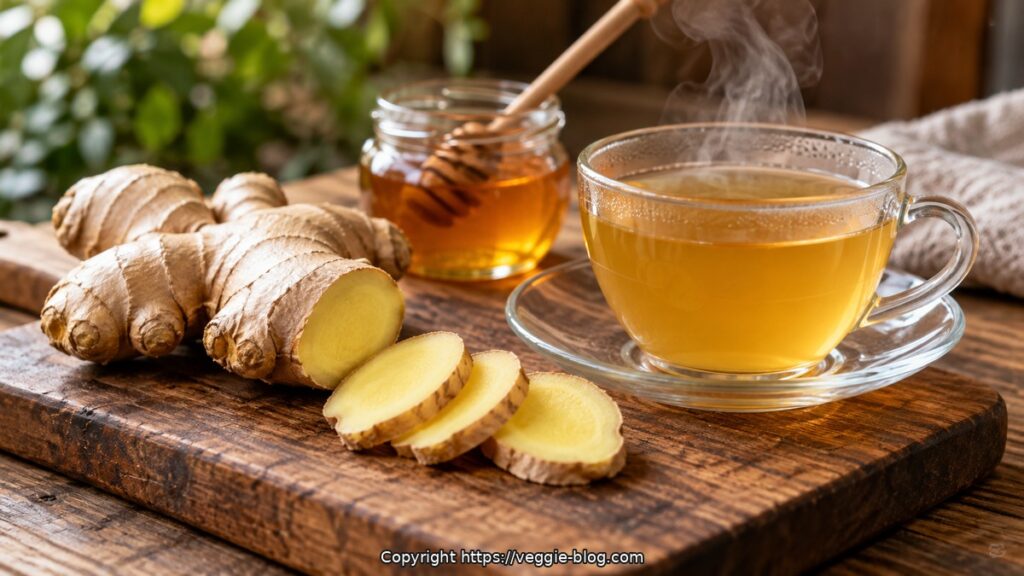
Ginger is a familiar kitchen spice, and it is also one of the most popular herbal remedies in the world. The old version of this post called ginger a “vitamin,” said it can heal athlete’s foot and eliminate menstrual cramps completely, and claimed that it is one of the best vitamins around. Ginger is not a vitamin, and those claims are not supported. Here is what is known, and how to buy and store the fresh root.
What is ginger?
The National Center for Complementary and Integrative Health (NCCIH) says ginger is native to the warm parts of Asia and is now grown in parts of South America, Africa and the Middle East. What we call the root is its rhizome, an underground stem, which is used in food and for health purposes. The old post said that it is a stem and not a root, and that is right. Ginger has been used in folk medicine since ancient times, traditionally for conditions such as asthma, flu, indigestion and stomach discomfort.
Does ginger help with nausea?
This is the use with the best support. NCCIH says research shows that ginger may be helpful for nausea and vomiting associated with pregnancy, but most studies of ginger for motion sickness have not shown it to be helpful. It is uncertain whether ginger helps with nausea after chemotherapy or surgery. Most studies tested dietary supplements and not foods such as ginger ale or ginger tea. The old post praised flat ginger ale and crackers for an upset stomach, but I found no solid evidence for that. Read the NCCIH page on ginger.
What about pain and cramps?
NCCIH says research suggests that ginger supplements might help reduce the severity of menstrual cramps, and might help symptoms of knee osteoarthritis, although much of that research has been of poor quality. Ginger applied to the skin has not been shown to help knee osteoarthritis. That is far from the old claims that it relieves rheumatoid arthritis, eliminates cramps completely, or prevents ailments from colds to athlete’s foot. I found no reliable evidence for those.
Is ginger safe?
NCCIH says ginger has been used safely in many research studies, but it can cause side effects such as abdominal discomfort, heartburn, diarrhea, and mouth and throat irritation when taken by mouth. If you take any medicine, talk with your health care provider before using ginger or any herbal product, because some herbs and medicines interact in harmful ways. Ginger supplements during pregnancy may be safe, but you should consult your provider first, and little is known about safety while breastfeeding. Like other supplements, ginger products are not approved by the FDA before they are sold. For general rules, see our guide to choosing and using supplements wisely. Our post on vitamin supplements for vegetarians explains how to think about herbal and vitamin products.
How do you buy and store fresh ginger?
According to Iowa State University Extension, whether young or mature, the rhizome should be firm and have light brown skin. Ginger harvested in the fall is called mature ginger, and it has a tougher skin and is more pungent and fibrous. Fresh, unpeeled ginger keeps on the counter for one to two weeks, but it is better kept in an airtight bag in the refrigerator’s crisper drawer, where it stays fresh for four to six weeks. Throw it away if you see mold, softness or an off smell. You can freeze it for longer storage. The old post’s tip about weight, that it should feel heavy for its size, is common advice but I could not confirm it.
How can you cook with it?
Ginger is used in sweet and savory dishes. Grate it into stir-fries, soups and curries, steep slices in hot water for a tea, or bake it into cookies and breads. Our recipe collection of high-protein vegetarian meals includes a red lentil curry and a tempeh stir-fry that use fresh ginger. Treat ginger as a flavor and food first. If you want to take it as a supplement for a health reason, talk to your doctor. Learn more about storage in the Iowa State University Extension guide.
Leave a Reply