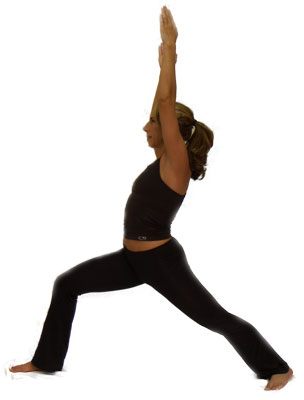
The old title of this post promised a “cure” for modern-day stresses. Yoga is not a cure for stress, and I have changed the headline. It can still be a helpful part of the way you manage stress, and many people take it up for just that reason. This article explains what yoga is, what the research says about stress, and how to start at home or in a class.
What is yoga?
Yoga is an ancient practice that began in India. As the National Center for Complementary and Integrative Health (NCCIH) puts it, yoga as practiced in the United States typically emphasizes physical postures, breathing techniques and meditation. There are many styles. Hatha yoga, one of the best known in the West, focuses on postures that stretch and strengthen the body and build balance, flexibility, body awareness and concentration. Raja yoga is traditionally the yoga of meditation. Other forms, such as mantra yoga, use chanting. If you want a longer introduction, see what yoga is and yoga explained.
What does the research say about yoga and stress?
The National Center for Complementary and Integrative Health (NCCIH) reports that a 2020 review of 12 studies of yoga for stress management, with 672 healthy adults in total, found beneficial effects on perceived stress in all of the studies. It also says that some, but not all, studies of yoga for stress have shown improvements. So the picture is hopeful but mixed. Studies have also suggested possible benefits of yoga for mental and emotional health and for sleep. The differences from ordinary exercise are the attention to breathing and the meditative quality, and some people find those parts calm them more than a workout does. NCCIH adds that people with a stressful life should talk to a health professional if the stress does not go away.
Can children and families try it too?
Yes, with suitable adaptations. The old post suggested that when family members are quarreling, you invite them to stop what they are doing, raise their arms overhead, lean forward and breathe deeply. That is a reasonable calming break, though the research on yoga is mostly from adults. NCCIH says research suggests yoga may have several potential benefits for children. A 2020 review of 27 studies with 1,805 children and adolescents found reductions in anxiety or depression in 70 percent of the studies, but the quality of the studies was relatively weak and the results cannot be considered conclusive. Slow breathing is easy to teach and costs nothing, and any program for a child should be led by a qualified person.
How do you start?
Try a short routine at home or take a beginner class. Our guide to basic yoga postures shows simple poses, and the gentle morning routine is easy to follow. Before you start, read about warming up and listening to your body. Keep a few safety points in mind from NCCIH: yoga is generally safe for healthy people when done properly with a qualified instructor, injuries are usually sprains and strains, and beginners should avoid extreme practices such as headstands and forceful breathing. Pregnant women, older adults and people with health conditions should talk with their provider first.
Is yoga enough on its own?
No. Yoga is one tool among several. Sleep, regular physical activity, time with other people and a manageable workload all matter for stress, and so does professional help if you feel anxious or low for weeks. If you are in distress in the United States, you can call or text 988 at any time. For more ideas about slowing down, read about a mind and spirit practice that you can fit into everyday life.
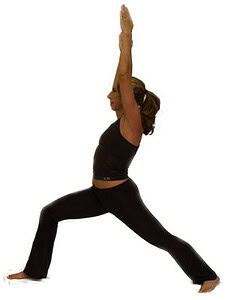
Cure for Modern Day Stresses