What Is Hatha Yoga? A Look at the Most Popular Style and a Typical Class
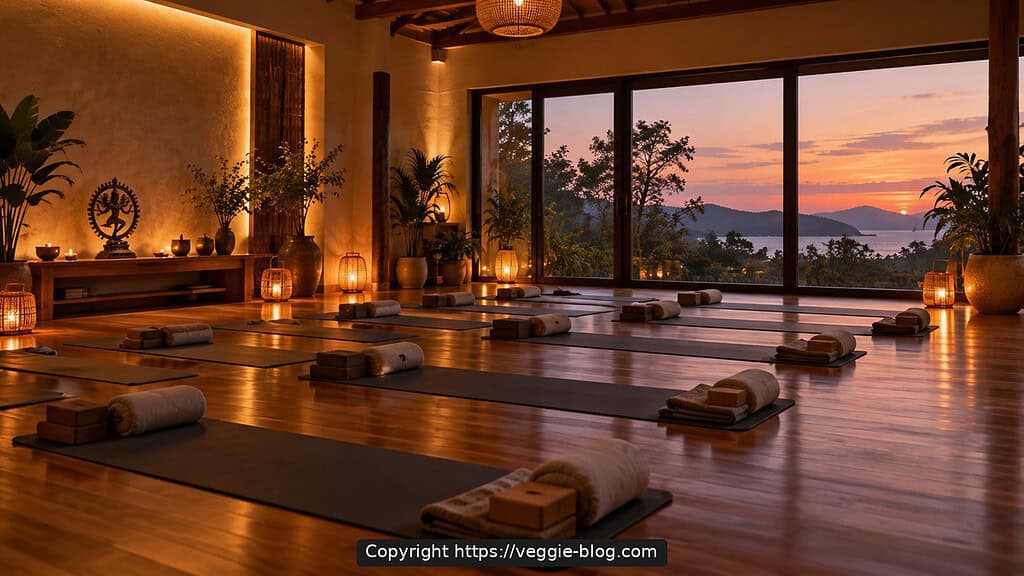
Walk into almost any gym or yoga studio in the United States and the class on offer will be some form of hatha yoga. The old version of this post said so, but the text was too garbled to follow. Here is a clear guide to the branches of yoga, what “hatha” means in practice, and what happens in a typical class.
What are the branches of yoga?
Yoga is traditionally described as having several paths. Bhakti yoga is the yoga of devotion, jnana yoga is the yoga of knowledge, and karma yoga is the yoga of selfless action. Hatha yoga is the branch that works with the body through postures and breathing. In the United States, as the National Center for Complementary and Integrative Health puts it, yoga typically emphasizes physical postures (asanas), breathing techniques (pranayama) and meditation. That is why most people meet hatha yoga first.
Is hatha yoga a single style?
Not really. Harvard Health describes hatha as a combination of many styles and says it is one of the most popular. The old post listed examples ranging from exercise-intense power yoga to the gentle chair poses used in Svaroopa yoga. Because the word covers so much, two classes both called “hatha” can feel very different. NCCIH notes that yoga styles range from gentle practices to physically demanding ones, and the 2018 U.S. Physical Activity Guidelines distinguish between more meditative hatha yoga and active forms such as vinyasa or power yoga.
What happens in a typical class?
Harvard Health gives a simple outline: a hatha class usually begins with pranayama, controlled breathing exercises, then moves through a series of asanas, or postures, and ends with savasana, a resting period. The old post described a one-hour class that started with a group breath or a shared “om,” included a quick series of movements and a long stretch, and finished with about 20 minutes of lying down. That structure is common, though the exact timing varies by teacher. Many studios have no mirrors, so students can focus on what they feel rather than how a pose looks.
What does that final rest feel like?
The old text described students in the closing relaxation: some going through to-do lists in their heads, some asleep, and some in a very calm, aware state. All of these are normal. The final rest is not a test, and you cannot do it wrong. If you find it hard to lie still, our post on before you start yoga: warm-up, breathing and listening to your body offers simple ways to ease into it.
Does hatha yoga count as exercise?
It can, but it depends on the class. The Physical Activity Guidelines for Americans list active forms of yoga, such as vinyasa or power yoga, as moderate-intensity activity. They describe hatha yoga as more meditative and note that some forms of yoga can count toward muscle-strengthening. A slow, restful class is valuable for stress and flexibility but may not give you the 150 to 300 minutes of moderate aerobic activity that adults are advised to get each week, so many people combine it with walking or other cardio.
The old post also said that yoga builds flexibility, strength, stamina and better circulation. Flexibility and strength are reasonable to expect from a regular practice, but I could not find good evidence for the claim about circulation, so I have left it out. Another claim, that integral yoga is “not religious,” is a matter of the individual studio. Ask the teacher what the class includes before you go.
How do you choose a class?
Start with the label “beginner” or “gentle hatha,” and look for a teacher who explains each pose and offers alternatives. Avoid extreme poses such as headstands in your first weeks, as NCCIH advises. Our guide to the basic postures and their variations shows what to expect in your first few classes, and what yoga is covers the background.
Leave a Reply