Before You Start Yoga: Warm-Up, Breathing and Listening to Your Body
A good yoga session starts before the first pose. How you prepare, where you practice and how you breathe all affect how the practice feels, and whether you finish it without strain. These simple habits are worth building from the first day, especially if you are new to yoga.
Why warm up first?
Cold muscles are stiffer and more easily strained, and the most common yoga injuries are sprains and strains, according to the National Center for Complementary and Integrative Health. A few minutes of easy movement, such as walking, marching on the spot or gentle arm and shoulder circles, raises your body temperature and loosens your joints before you move into deeper poses. Stop warming up when you feel loose and slightly warm, not tired. The poses in our guide to a gentle morning yoga routine for beginners are designed to be done in this relaxed way.
How should you breathe?
Breathe in and out through the nose if you can, from the lower belly and diaphragm rather than holding your breath in the chest. In yoga, one breath cycle is one inhale and one exhale, and you will often move on an inhale or an exhale. Keep the breath smooth and easy. The NCCIH advises people new to yoga to avoid forceful breathing techniques. If you find you are holding your breath or gasping, you have probably gone too far into the pose, so back off until your breathing is steady again.
What makes a good place to practice?
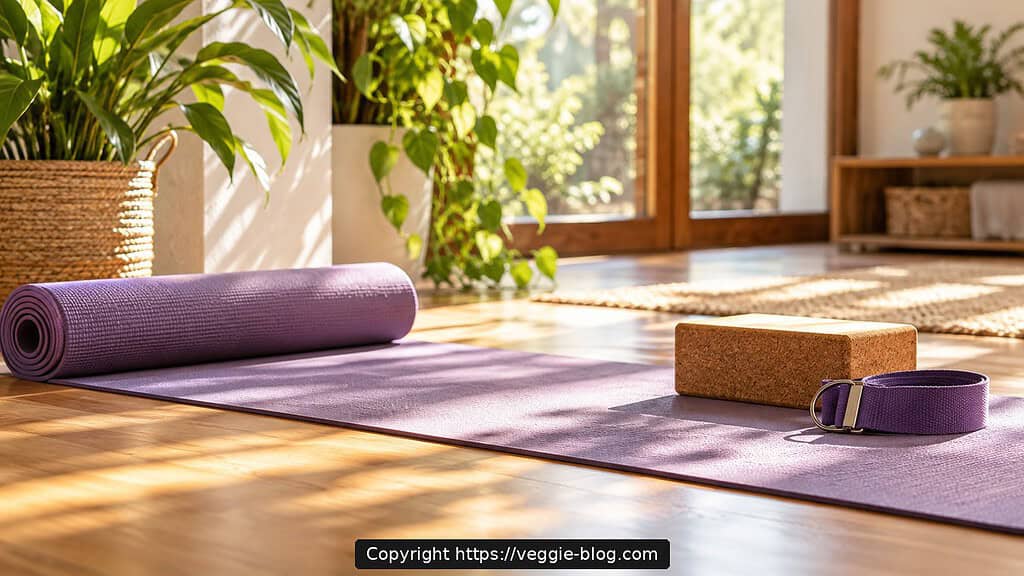
Choose a quiet, comfortable space with enough room to stretch your arms and legs, and a non-slip mat or a firm, level surface. If you play music, keep it calm and quiet so you can hear your breath and any signals from your body. Wear clothes that let you move freely. If you try hot yoga, remember that it has special risks related to overheating and dehydration, and pregnant women should avoid it because it can cause overheating.
How far should you go into a pose?
Move only to your own limits. Yoga is not a competition, and a pose that looks different from the one in the picture is not a failure. Pain is a signal to ease off; mild stretching is normal, but sharp or joint pain is not. Skip extreme practices such as headstands, shoulder stands and the lotus position until you have had instruction from a qualified teacher, because learning yoga on your own without supervision has been associated with increased risks.
Who should check with a doctor first?
Pregnant women, older adults and people with health conditions should talk to their health care providers and the yoga instructor about their needs. According to NCCIH, conditions that may call for changes to poses include previous knee or hip injuries, lumbar spine disease, severe high blood pressure, balance problems and glaucoma. If you are not sure whether yoga is suitable, ask first. A good class will offer variations. Our posts on basic yoga postures, how to start yoga safely if you have diabetes and choosing a yoga video for beginners can help you take the next step. For the full safety guidance, see the NCCIH page on yoga.
Leave a Reply