A Low Cholesterol Diet Plan That Lasts: Targets, Foods and a Simple Weekly Template
The old version of this post said that high cholesterol is linked to a long list of diseases, that most people eat a diet high in saturated fat and “LDL,” and that a low-cholesterol diet plan should not be a fad. The advice to treat the diet as a long-term habit is good, but LDL is not a food, so I have rewritten the post to follow what health agencies actually recommend.
Why follow a low-cholesterol diet plan?
MedlinePlus explains that too much LDL (“bad”) cholesterol in the blood can build up on artery walls and raise your risk of coronary artery disease. The old post called heart disease the number one killer in the U.S., and that is still true: the CDC reports that heart disease was the leading cause of death in 2023. Food is one of the main things you can change. According to the National Heart, Lung, and Blood Institute, the Therapeutic Lifestyle Changes (TLC) and DASH eating plans can help you lower your LDL.
What does the TLC plan ask for?
The numbers from MedlinePlus are a good guide for a plan:
Get 25 to 35 percent of your daily calories from fat, with less than 7 percent from saturated fat (about 13 grams on a 2,000-calorie diet). Eat less than 200 milligrams of dietary cholesterol a day. Aim for 10 to 25 grams of soluble fiber. Include about 2 grams of plant stanols and sterols, omega-3 fish twice a week, and no more than 2,300 mg of sodium a day. Limiting salt will not lower cholesterol, but it lowers blood pressure and heart risk.
Which foods do the work?
The old post says that fiber “soaks up” cholesterol and carries it out of the body, and names apples, oranges, pears, oats and carrots. MedlinePlus describes it this way: soluble fiber helps prevent your digestive tract from absorbing cholesterol. Its list of high-fiber foods includes oatmeal and oat bran, apples, bananas, oranges, pears, prunes, kidney beans, lentils and chickpeas. Carrots are a healthy vegetable, but they are not on that list. Saturated fat, found in some meats, dairy products, baked goods and fried foods, raises LDL more than anything else in your diet, so swap it for unsaturated oils such as olive or canola oil. For specific meals, see how a good diet can lower cholesterol: one example day.
What could one week look like?
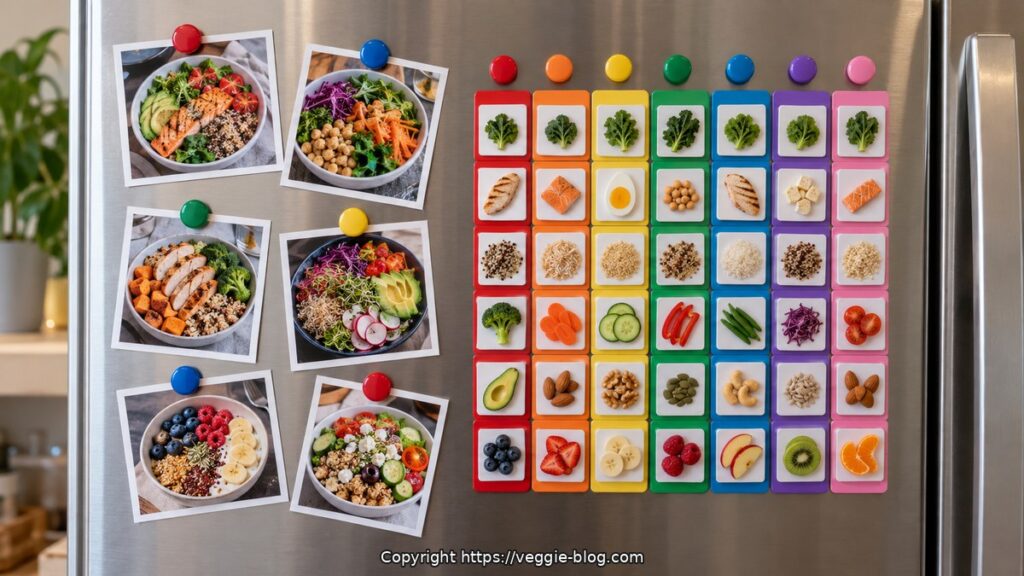
This is my own template, not a prescription, and portion sizes depend on your calorie needs. Start the day with oatmeal and fruit. For lunch, have lentil or bean soup with a salad. Eat fish such as salmon or canned tuna twice a week. Make vegetables half the dinner plate, and snack on an apple or a handful of nuts. Keep dessert occasional. The NHLBI recommends preparing foods with little or no salt and eating a variety of nuts. For a longer list of foods to choose, read how to lower cholesterol through diet.
Is diet enough?
Sometimes it is not. The NHLBI says that your provider may also recommend medicines, and that adults with overweight can lower LDL and raise HDL by losing 3 to 5 percent of their body weight. Genes, other conditions and some medicines also affect cholesterol. Ask for a test, and use understanding your cholesterol numbers to read the results. For more recipes and swaps, see MedlinePlus on lowering cholesterol with diet.
View this book on Amazon (affiliate link: we may earn a commission at no cost to you)
Leave a Reply