10 simple steps to lower cholesterol
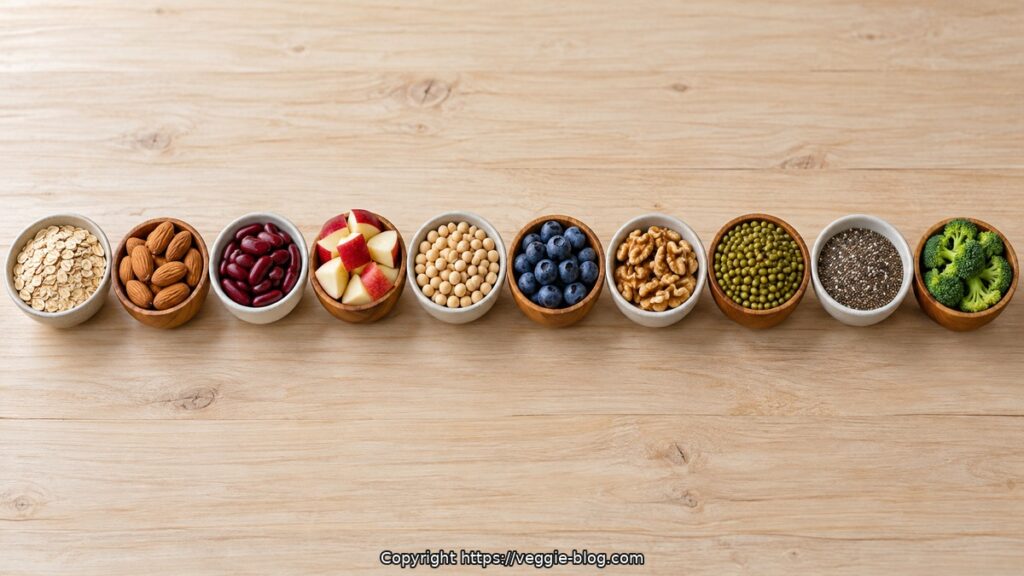
Cholesterol Down explains Dr. Brill’s ten-point plan as well as the science behind it. You’ll learn how each miracle food affects LDL cholesterol and how the foods work together for maximum effect.
With everything you need to stay focused on the plan, including a daily checklist, a six-month chart for tracking LDL cholesterol changes, tools for assessing your risk level for cardiovascular disease, sample weekly menus, and even heart-healthy recipes, Cholesterol Down is the safe and effective alternative or complement to statin drugs.
What is inside the book?
The description lists a daily checklist, a six-month chart for tracking changes in LDL cholesterol, tools for assessing your risk level for cardiovascular disease, sample weekly menus and heart-healthy recipes.
How does the book describe itself next to statin drugs?
The description calls the plan a “safe and effective alternative or complement to statin drugs”. That is the wording of the description, not a claim we make, and nobody should change medication without speaking to a doctor.
What is Cholesterol Down about?
The book sets out Dr. Brill’s ten-point plan for lowering LDL cholesterol, together with the science behind the plan. It also explains how each of the foods the description calls “miracle foods” affects LDL cholesterol, and how those foods work together.
Summary of the book description only, not medical advice.
What should I know about cholesterol before reading?
Cholesterol is a waxy, fat-like substance that every cell in the body uses, and the liver makes it too. The NHLBI blood cholesterol page describes how that works: LDL can build up as plaque in the arteries, while HDL helps carry cholesterol back toward the liver. Both your genes and your daily habits shape your numbers, and a routine blood test is the only way to see where you stand.
MedlinePlus statins page puts it this way: medicine is often considered when lifestyle changes alone do not bring LDL down far enough. That is why any food-based plan is best treated as one part of a conversation with your doctor, who can look at your test results, family history and other risks together. Do not change or stop a prescribed medicine on your own.
Related reading on this blog: Exercise and Cholesterol: How Physical Activity Helps and Eating to Lower Cholesterol: A Diet Plan Built on Fiber, Plants and Healthier Fats
View this book on Amazon (affiliate link: we may earn a commission at no cost to you)
Leave a Reply