Antioxidant Supplements: What the Evidence Says and Why Food Still Comes First
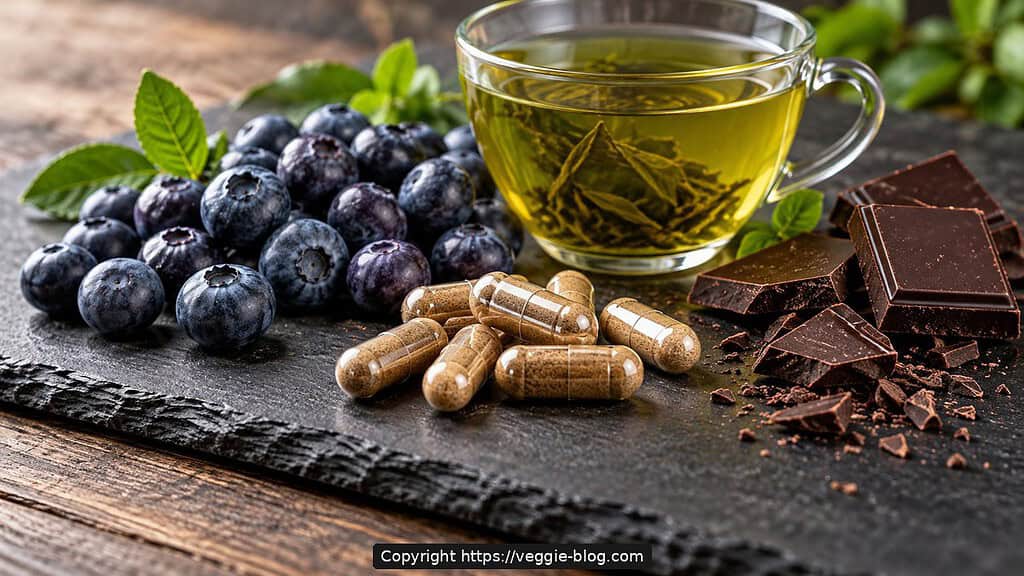
The old version of this post was hard to read, and it made claims that are not supported. It said that antioxidant supplements are “ideal” for getting the right amount, that they prevent diseases, keep blood clotting under control and restore libido, and that natural supplements work almost immediately and have no side effects, while synthetic ones take a long time. This rewrite checks those claims against current research.
What are antioxidant supplements?
Antioxidants are substances that help protect cells from damage caused by reactive oxygen-containing molecules. The National Center for Complementary and Integrative Health says our bodies make some, and that others come from foods such as fruits, vegetables and grains. Supplements include vitamins C and E, beta-carotene and others such as selenium and coenzyme Q10. The old post was right that you can also eat antioxidant-rich foods, but wrong that supplements are the “ideal” way to get them.
Do they prevent disease?
Mostly no. The NCCIH reports that, apart from age-related macular degeneration, there is currently no evidence that antioxidant supplements have a positive effect on diseases such as cancer, heart disease and cataracts. People who eat more fruits and vegetables do have lower risks, but the benefit may come from other substances in the food or from their lifestyle. The U.S. Preventive Services Task Force recommended in 2022 against beta-carotene and vitamin E supplements for preventing cardiovascular disease or cancer, and found the evidence insufficient for other single or paired nutrients, including vitamin C and selenium. The old claim about preventing diseases and restoring libido should be dropped.
Are “natural” antioxidant supplements safer or faster?
No evidence supports the old post’s statement that natural supplements give “almost immediate results” and have no side effects, while synthetic ones are poorly absorbed. For vitamin E, the NIH Office of Dietary Supplements says that natural vitamin E (RRR-alpha-tocopherol) is kept in the body better than the synthetic form, but this is about the form of one vitamin and not about speed or safety. Any supplement can cause side effects, and “natural” does not mean harmless.
Can antioxidants be harmful?
Yes, at high doses. According to the NCCIH, large studies of beta-carotene involving more than 90,000 people showed an increased risk of lung cancer, especially in smokers and people with asbestos exposure, and more deaths from cardiovascular disease. High doses of vitamin E may increase bleeding risk and interact with blood-thinning medicines. High doses of vitamin C can cause diarrhea, nausea and stomach cramps, and may worsen iron overload in people with hemochromatosis. Antioxidants may also interfere with cancer treatment, so ask your oncology team before taking any. Nor does the evidence support the old claim that antioxidant supplements keep blood clotting under control; high-dose vitamin E, in fact, may raise bleeding risk.
Who might benefit?
People who already have intermediate age-related macular degeneration may slow the progression of the disease with the specific AREDS or AREDS2 formulas, which combine vitamins C and E, zinc and copper, with lutein and zeaxanthin in AREDS2. In the first AREDS study the supplement reduced the risk of advanced AMD by about 25 percent. That is a decision to make with an eye doctor, not a reason to take antioxidants in general.
What should you do instead?
Put food first: fruit, vegetables and whole grains. If you are thinking about a supplement, talk to a health care provider, especially if you take medicines, are pregnant or have a health condition. Our posts on bee pollen and other antioxidant supplements, vitamin E and your body, vitamin C and choosing vitamin supplements explain more.
Leave a Reply