Atkins and Unprocessed Foods: Why Whole Foods Beat Low-Carb Packaged Products
When people begin the Atkins program they are often tempted by the many low-carb products on the market: snack bars, baking mixes, pasta and bread substitutes. The old version of this post argued that you should use them sparingly and build your plan on fresh foods instead. That advice holds up, but a few of the supporting claims do not, so I have rewritten the post.
What does an unprocessed Atkins plate look like?
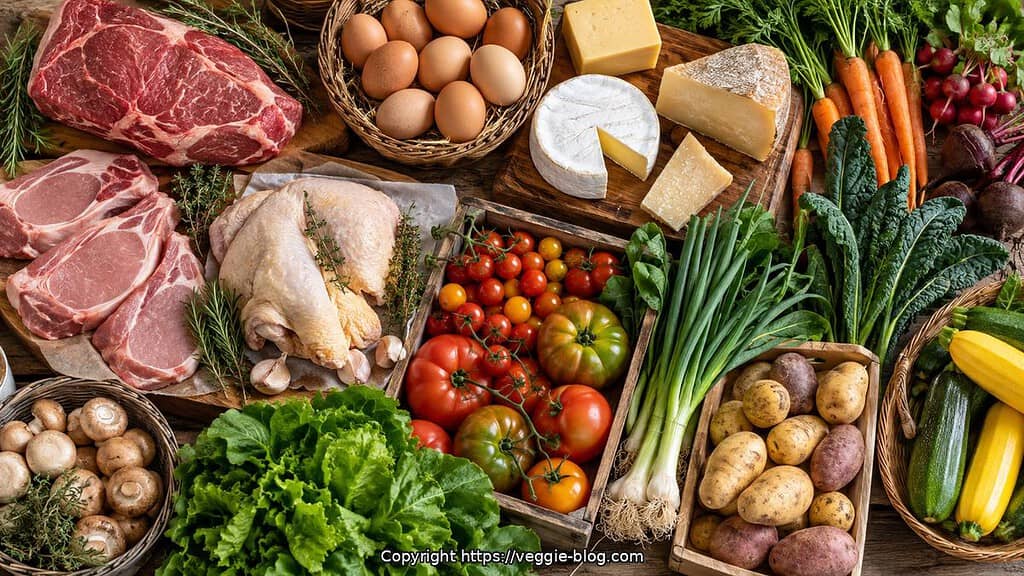
Atkins’ own plan is built on foods such as vegetables, meat, fish, eggs, natural cheeses and, in later phases, fruit and whole grains. The old post said that the center of the plan is fresh vegetables and fresh meat, with natural cheeses, some fruit and, in time, whole unprocessed grains, and no packaged meats, canned vegetables or instant foods. Atkins says that in its Pre-Maintenance phase you still take 12 to 15 grams of net carbs a day from foundation vegetables, and that you add foods such as legumes, fruit and whole grains one at a time. Atkins has renamed some of its plans, but the approach is still built around whole foods. Our guide to Atkins diet foods and how to plan lists them.
Are low-carb packaged foods a problem?
The old post said that these products are technically allowed, can help in a pinch with cravings, but are chemically processed, can trigger carbohydrate cravings in some people and may have hidden carb counts. The last point is the one that holds up best. According to the Ohio State Wexner Medical Center, “net carbs” is a term invented by food companies, and neither the FDA nor the American Diabetes Association endorses it. Read the total carbohydrate line, the fiber and the sugar alcohols. Some people find that sweet low-carb foods make them want more, which is worth noticing for yourself, although I did not find a study that proves it. For better snacks, see low-carb snack ideas.
Is bacon a problem?
The old post said that many Atkins dieters eat bacon daily, and that bacon contains sodium nitrite, which is known to cause cancer. The real concern is wider than one chemical. The World Health Organization classifies processed meat (meat that has been salted, cured, fermented or smoked, such as bacon, ham and sausage) as Group 1, carcinogenic to humans, because there is sufficient evidence that it causes colorectal cancer. The WHO says the risk increases with the amount eaten, and that it could not name a safe level. Red meat is classed as Group 2A, probably carcinogenic. The WHO also says meat can be part of a healthy diet and that many national guidelines recommend limiting processed and red meat. So a low-carb plan built on fish, eggs, poultry, vegetables, nuts and olive oil is a better choice than one built on daily bacon. See the WHO questions and answers on red and processed meat.
Are raw foods always more nutritious?
The old post said raw, whole foods contain more vitamins and nutrients than processed ones and that manufactured foods may contain chemical additives. As a rule, fresh foods have fewer additives and less added salt and sugar, and that is the real argument. But “processed” covers a wide range: frozen vegetables and plain canned fish are processed and can be good options. What matters is the label.
What if weight loss stalls?
The old post says to check whether low-carb processed foods are adding hidden carbs, to focus on the foods in the Atkins pyramid and to shop the outer edges of the store. This is sensible, and our post on overcoming plateaus on the Atkins diet has more ideas. If cravings are the problem, read carbohydrate cravings and the Atkins diet.
Can you still use packaged foods?
Yes, in moderation. The old post admits that busy people may use canned soup or canned vegetables from time to time. Check salt, sugar and added carbohydrates, and keep most of your meals simple.
Leave a Reply