Atkins Induction Rules: The First Two Weeks Explained
Induction is the first phase of the Atkins diet, and it is the strictest. The old version of this post gave rules in garbled language and made some claims about “breaking addictions” that are not backed by research. This update follows the rules that Atkins itself publishes for health professionals, and adds a few cautions so you know what to ask your doctor.
What is Induction?
According to Atkins, Induction is the first of four progressively more liberal phases, and its aim is to switch the body from burning mainly glucose to burning mainly fat for energy and to jump-start weight loss. Atkins states that Induction lasts 14 days, and in its guidance for health professionals says people stay in it for at least two weeks. It is not essential to begin with Induction. You can read the company’s own page on Phase 1: Induction.
How many carbs can you eat?
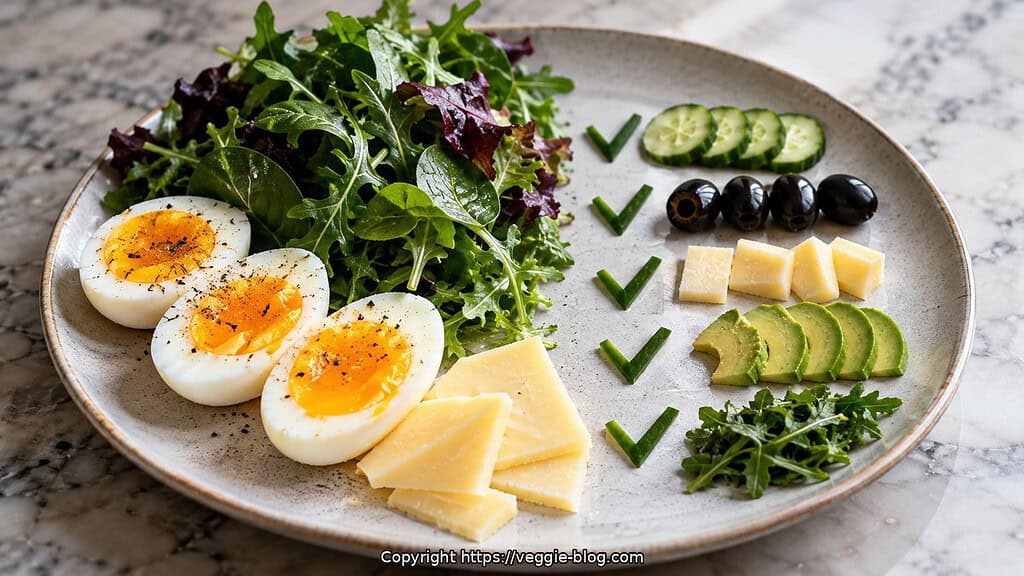
The limit is 20 grams of net carbohydrates a day, which Atkins defines as total carbohydrate grams minus fiber grams. Of those, 12 to 15 grams should come from foundation vegetables, equivalent to about six loosely packed cups of salad and two cups of cooked vegetables a day. Count the carbs in vegetables, cheese, olives, avocado and cream, too. The old post said at least 12 to 15 grams should come from vegetables, which matches this. Fruit other than avocado, tomatoes and olives, grains, legumes, starchy vegetables, milk and low-fat or diet products are off the Induction list. Note that Atkins now lists cauliflower as a foundation vegetable, even though the old post called it starchy.
How often should you eat?
Atkins advises eating either three regular meals a day or four or five smaller ones, never skipping meals, and not going more than six waking hours without eating. Each meal, including breakfast, should include 4 to 6 ounces of protein foods. There is no need to cut visible fat from meat, but you should replace it with olive oil or butter on your vegetables. Eat until you are satisfied but not stuffed. The old post said that Atkins is not a calorie-restricted diet and that you can eat as much fat and protein as you like. Be aware that portion size still affects weight, so listen to your body and your doctor.
What about labels, drinks and supplements?
Always read labels. Under FDA rules (21 CFR 101.9), a serving with less than 0.5 gram of total carbohydrate may be listed as zero, so several “zero-carb” servings can add up. Watch for hidden carbs in gravies, dressings and coleslaw. Atkins advises drinking at least eight 8-ounce portions of approved beverages a day, such as water, club soda, herb teas and, in moderation, coffee and tea. It also advises a daily iron-free multivitamin and mineral supplement and an omega-3 supplement. Ask your doctor whether these are right for you. Our post on Atkins and ketosis explains ketone strips.
Who should be careful?
Atkins says the weight loss phases should not be used by people on dialysis, and recommends consulting a physician first, as you would before any weight loss program. Low-carb eating can change how your body handles medicine for diabetes and blood pressure, so people with these conditions need medical supervision. NIDDK says experts recommend an initial weight-loss goal of 5 to 10 percent of your starting weight within six months, so be wary of promises of dramatic results. See its page on choosing a safe and successful weight-loss program.
What comes next?
After two weeks, Atkins moves you gradually into later phases, adding back foods. For help with the common errors that people make, read common mistakes Atkins dieters make and carbohydrate cravings and the Atkins diet. For the overall picture, see Atkins diet basics.
Leave a Reply