Broccoli: Basic Facts, Nutrition and How to Grow It
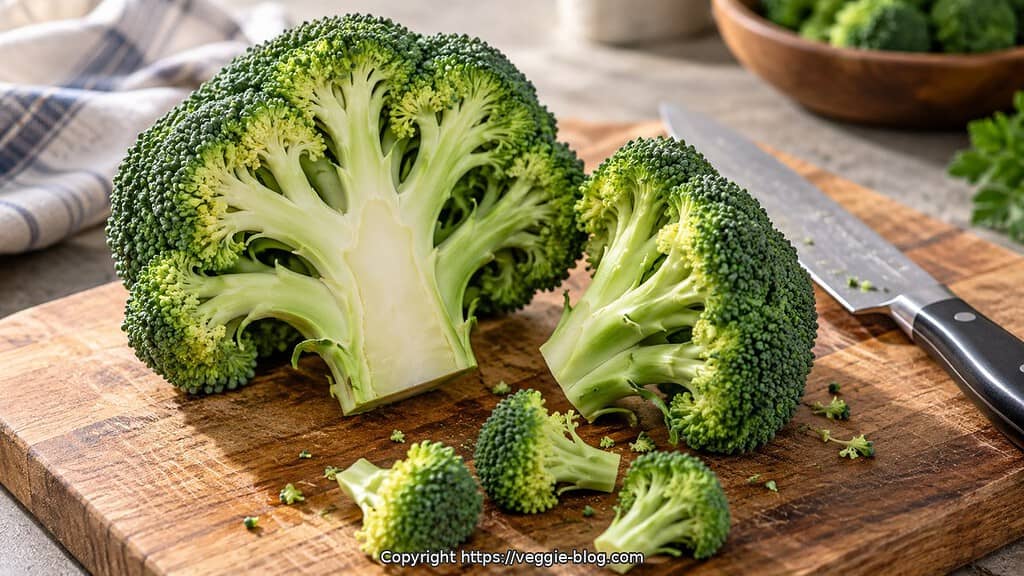
Broccoli is one of the most common vegetables in a vegetarian kitchen. The old version of this post had a few mistakes about its vitamins, so here are the basics, corrected.
What kind of vegetable is broccoli?
Broccoli is a cole crop, a group of vegetables in the cabbage family. Iowa State University Extension lists broccoli with Brussels sprouts, cabbage, cauliflower, collards, kale and kohlrabi. We mostly eat the green flower heads, which is what the old post meant by the tops.
Which vitamins does broccoli have?
The old post said broccoli is full of vitamins A, D and C. Vitamin C is right, but the USDA lists no vitamin D in raw broccoli and only a small amount of vitamin A. According to the raw broccoli entry in USDA FoodData Central, one cup of chopped raw broccoli (91 grams) provides about 81 milligrams of vitamin C, 93 micrograms of vitamin K, 2.4 grams of fiber and 2.6 grams of protein. The same entry shows about 28 micrograms of vitamin A (RAE) and no vitamin D. The NIH sets the recommended daily amount of vitamin C for adults at 75 milligrams for women and 90 milligrams for men, so one cup covers a woman’s whole day and about nine-tenths of a man’s. Our post on vitamin C explains more.
Which part do you eat?
The old post said we only eat the tops because the stem and root are tough. The florets are the usual choice, and the root end really is woody, but the main stem is edible too if you peel off the tough outer skin and slice the inside thinly. That is ordinary cooking practice, not something from a research source.
Can you grow broccoli in a hot climate?
The old post warned that broccoli does not like heat, and that is correct. Iowa State says cole crops are cool-season vegetables that grow best at 60 to 70°F, can withstand light frosts and are ready to harvest 60 to 75 days after transplanting, depending on the variety. Harvest when the head is fully developed but before the small yellow flower buds start to open, and cut the central stem just below the head. Several smaller side heads, about 1 to 3 inches across, then develop where the leaves meet the stem. If your summers are hot, plant in early spring or fall.
Leave a Reply