Archive for the ‘Fitness’ Category

Yoga by Barbara Miller

by on Friday, October 21st, 2011

Dating from about the third century A.D., the Yoga Sutra distills the essence of the physical and spiritual discipline of yoga into fewer than two hundred brief aphorisms. It is the core text for any study of meditative practice, revered for centuries for its brilliant analysis of mental states and of the process by which inner liberation is achieved. Yet its difficulties are legendary, and until now, no translation has made it fully accessible.

Barbara Miller
Barbara entered the real estate business in 1988 with the Century 21 System. Becoming an associate with a fellow Realtor and creating a team proved their move to Morgan Collins was definitely in the best interest of their clients.

Currently holding the Real Estate designations of Certified Residential Specialist and Graduate of the Realtors Institute shows her interest in supplying clients with current information. She finds assisting buyers and sellers with their choices in Real Estate challenging and rewarding.

Book: Yoga by Barbara Miller
View this book on Amazon (affiliate link: we may earn a commission at no cost to you)

Yoga for Stress: How It Works and Why So Many People Try It

by on Wednesday, October 19th, 2011

The old title of this post promised a “cure” for modern-day stresses. Yoga is not a cure for stress, and I have changed the headline. It can still be a helpful part of the way you manage stress, and many people take it up for just that reason. This article explains what yoga is, what the research says about stress, and how to start at home or in a class.

What is yoga?

Yoga is an ancient practice that began in India. As the National Center for Complementary and Integrative Health (NCCIH) puts it, yoga as practiced in the United States typically emphasizes physical postures, breathing techniques and meditation. There are many styles. Hatha yoga, one of the best known in the West, focuses on postures that stretch and strengthen the body and build balance, flexibility, body awareness and concentration. Raja yoga is traditionally the yoga of meditation. Other forms, such as mantra yoga, use chanting. If you want a longer introduction, see what yoga is and yoga explained.

What does the research say about yoga and stress?

The National Center for Complementary and Integrative Health (NCCIH) reports that a 2020 review of 12 studies of yoga for stress management, with 672 healthy adults in total, found beneficial effects on perceived stress in all of the studies. It also says that some, but not all, studies of yoga for stress have shown improvements. So the picture is hopeful but mixed. Studies have also suggested possible benefits of yoga for mental and emotional health and for sleep. The differences from ordinary exercise are the attention to breathing and the meditative quality, and some people find those parts calm them more than a workout does. NCCIH adds that people with a stressful life should talk to a health professional if the stress does not go away.

Can children and families try it too?

Yes, with suitable adaptations. The old post suggested that when family members are quarreling, you invite them to stop what they are doing, raise their arms overhead, lean forward and breathe deeply. That is a reasonable calming break, though the research on yoga is mostly from adults. NCCIH says research suggests yoga may have several potential benefits for children. A 2020 review of 27 studies with 1,805 children and adolescents found reductions in anxiety or depression in 70 percent of the studies, but the quality of the studies was relatively weak and the results cannot be considered conclusive. Slow breathing is easy to teach and costs nothing, and any program for a child should be led by a qualified person.

How do you start?

Try a short routine at home or take a beginner class. Our guide to basic yoga postures shows simple poses, and the gentle morning routine is easy to follow. Before you start, read about warming up and listening to your body. Keep a few safety points in mind from NCCIH: yoga is generally safe for healthy people when done properly with a qualified instructor, injuries are usually sprains and strains, and beginners should avoid extreme practices such as headstands and forceful breathing. Pregnant women, older adults and people with health conditions should talk with their provider first.

Is yoga enough on its own?

No. Yoga is one tool among several. Sleep, regular physical activity, time with other people and a manageable workload all matter for stress, and so does professional help if you feel anxious or low for weeks. If you are in distress in the United States, you can call or text 988 at any time. For more ideas about slowing down, read about a mind and spirit practice that you can fit into everyday life.

Cure for Modern Day Stresses

Cure for Modern Day Stresses

Seven Fitness Tips for Women: Set Realistic Goals, Build Strength and Stay Motivated

by on Saturday, October 15th, 2011

The old version of this post, “7 Tips for Fitness Women,” was a list that opened by asking whether you would like to be an effective fitness woman. The tips were sensible, but the text was hard to follow. This rewrite keeps the seven ideas, checks them against the national guidelines and explains each one more clearly.

1. Does the program fit you?

Every woman is different, and a program that suits one person may be wrong for another. The old post advises consulting a qualified trainer to be sure that the plan will not hurt you. If you have a medical condition, are pregnant or have not been active, check with your health care provider first. MedlinePlus says the same: check with your provider before you start, especially if you have trouble moving or balancing or worry that exercise might not be safe.

2. Are your goals realistic?

Changing your shape in a month is not realistic, and the old post warned that false hopes lead to frustration and injury. Think about what blocks you in daily life, such as time or energy, then set goals and timelines you can meet. The Physical Activity Guidelines for Americans give a starting target: 150 to 300 minutes of moderate aerobic activity a week, plus muscle-strengthening activities on two or more days.

3. Which exercises give the most return?

The old post suggests building muscle with multi-joint exercises, such as squats, rows and presses, and with weights, and says more muscle means you burn more calories. Muscle-strengthening exercise is recommended for all adults, and multi-joint moves save time because they train several muscle groups at once. Extra muscle does raise the calories you burn at rest, but only a little (this is general physiology, not a figure from the sources above), so treat strength training as a way to get stronger and healthier, not a fast route to weight loss. If you are unsure how to do an exercise, ask a trainer to show you. Our guide to full-body workouts shows how to train in two or three sessions a week.

4. Are you making the work harder over time?

Repeating the same exercises with the same weight will give less and less. MedlinePlus’s exercise basics advise building up slowly and challenging yourself by lifting slightly heavier weights, adding minutes or increasing your pace. The old post suggested keeping a daily log so you can see how far you have come, which also helps confidence. A simple notebook or phone note is enough. Increase gradually to protect your joints.

5. How should you perform each repetition?

The old post recommends sets of around 10 repetitions, with as little momentum as possible. Slow, controlled movement makes the muscles do the work instead of swinging. A good check is to see whether you are swinging the weight to lift it. Ten is a starting point, not a rule. What counts is that the last few repetitions feel challenging and your form stays good. For a deeper look at reps and sets, read muscle myths: what the evidence says about reps and sets.

6. Do you vary your workout?

Changing your exercises, goals or sets every so often keeps the work interesting and prevents boredom, as the old post says. MedlinePlus also recommends mixing up your workouts to keep things interesting and help prevent injuries or burnout. Include aerobic, strength, balance and flexibility work, and read preventing sports injuries for habits that keep you training.

7. How do you stay motivated?

The old post says that people stay motivated when they feel a sense of control and ownership, and that you should be consistent and learn to appreciate your own efforts. That fits MedlinePlus’s advice to show up regularly, even for short sessions. There is no program that is best for everybody; pick one you enjoy and adjust as you go. For health habits beyond exercise, such as screenings and sleep, see women’s health habits that matter.

View this book on Amazon (affiliate link: we may earn a commission at no cost to you)
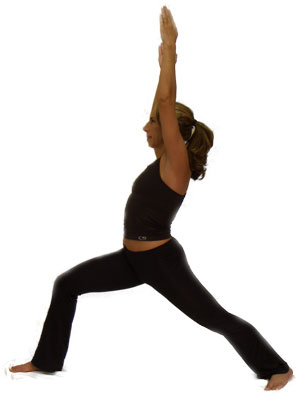
Yoga for Golfers by Katherine Roberts

by on Thursday, October 13th, 2011

As an avid golfer and certified yoga instructor, Katherine Roberts combined her passions to create the incredibly successful Yoga for Golfers program—a unique and integrated educational system providing instruction on how to improve flexibility, range of motion, and concentration on the course. It’s the fastest growing fitness program used by amateur and professional golfers worldwide. Now, in this groundbreaking book, Roberts makes her unique methods available to you.

Based on twenty years of expertise and guaranteed to work for golfers of all ages, handicaps, and fitness levels, Yoga for Golfers connects the mind and body to create a powerful training regimen geared to produce immediate results, including greater flexibility and strength for distance and accuracy off the tee, enhanced breathing awareness for better swing tempo, and improved overall fitness.

Katherine Roberts has twenty years of experience in fitness training, yoga studies, and motivation. Her highly successful Yoga for Golfers program has been featured in numerous magazines and newspapers, including Sports Illustrated, Golf, Golf Digest, and Self. She has appeared on ESPN, Fox Sports, ABC, and CBS and is the host of her own weekly show, “Yoga for Golfers,” on the Golf Channel. She lives in Cave Creek, Arizona.

Book: Yoga for Golfers by Katherine Roberts
View this book on Amazon (affiliate link: we may earn a commission at no cost to you)

Yoga and the Path of the Urban Mystic

by on Thursday, October 6th, 2011

Yoga and the Path of the Urban Mystic brings classical teachings alive and helps us move our rewarding experience of yoga beyond the mat and meditation cushion and into the whole of life.

For modern yogis feeling challenged in our efforts to remain deeply spiritual, contemplative, and centered amid the stresses and complications of urban life, this book serves as both inspiration and guide. Darren Main’s fresh, down-to-earth approach to the time-tested practice and philosophy of yoga shows us the way to apply the ancient wisdom of India to every moment and every breath so that even our busiest days can be powerful and mystical adventures, filled with all the wonder and magic that was once reserved for those living as monks and nuns. Yoga for the twenty-first century, this is the fulfilling and joyful path of the urban mystic.
“Darren Main explains how to turn [life’s] distractions into darshan, with humor, lightness, and love. He also explains the Yoga Sutra, the chakras, pranayama, and other esoteric yoga philosophies in a live and engaging way. His humorous style and delicious honesty create a thoroughly modern approach to this ancient science.” -The Bodhi Tree Review

View this book on Amazon (affiliate link: we may earn a commission at no cost to you)