Diet and Fitness: How Carbs, Fat and Protein Fit Together
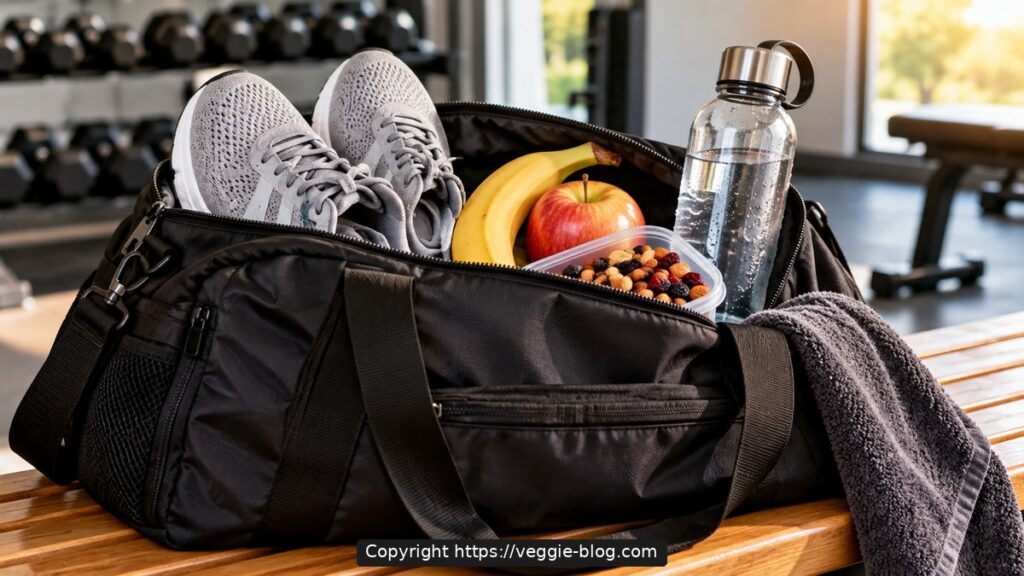
More people than ever care about their health and want a body that looks and feels strong. Gyms, health clubs and fitness centers have multiplied, and television and the internet are full of exercise machines, weight loss products and gadgets. But exercise is only half of the story. What you eat is just as important, and that is where the term “diet fitness” comes from: the food that fuels your training and helps your body recover.
What does food do for a fit body?
Food provides the energy for exercise and the raw material to repair and build muscle. The three main nutrients that provide calories are carbohydrates, protein and fat. Carbohydrates and protein each have about 4 calories per gram, and fat has about 9, which is a little more than twice as much, so fat is the most concentrated source of energy. You may also read that the body burns far more calories to digest carbohydrate than fat. The difference is small, so do not choose a diet on that basis.
Should you choose a high-carb or high-fat diet?
This question comes up often. A high-carbohydrate diet focuses on foods such as grains, fruit and starchy vegetables. Carbohydrates are stored in the muscles and liver as glycogen, which is the main fuel for hard and long exercise. A high-fat diet, in contrast, gets more of its calories from foods such as oils, nuts, cheese and meat. The experts who set the nutrition guidelines for the United States say that adults can get 45% to 65% of their calories from carbohydrates, 20% to 35% from fat and 10% to 35% from protein, and the Dietary Guidelines for Americans are built on those ranges. That is a wide window, and several mixes can meet your needs.
As for weight loss, a 2014 review of 48 trials found that low-carbohydrate and low-fat diets both led to significant weight loss, and that the differences between them were small. The authors concluded that any diet a person can stick to is a reasonable choice. This also means that mixing the two extremes is not necessary, and it is easiest to follow the pattern that suits you.
What matters more than the label?
Fit people do not look the same, and they do not eat the same. The things that matter most are the same for everyone.
It should suit you. Research shows that lasting weight loss happens on a diet that fits your food preferences, lifestyle, health and what makes you feel full. A plan that bores you or leaves you hungry will not last.
Eat in moderation, with balance and variety. Do not leave out whole groups of food, and make sure you get enough protein, vitamins and minerals. Include plenty of vegetables, fruit, whole grains and legumes.
Think about fueling, not just losing. If you train regularly, you need enough energy to do it, and eating too little can leave you tired and prone to injury.
Give new foods a try. A varied diet does not have to be boring. You may even find that you like spinach.
How does exercise fit in?
Diet and activity work together. Combine a way of eating that you like with the 150 minutes a week of moderate activity that adults are advised to get, and you will have both fitness and a healthy weight in sight. Read more in our posts on a healthy diet for weight loss, popular diet plans compared, losing weight the healthy way and health and fitness.
Leave a Reply