No Time for Yoga? How a Few Minutes a Day Can Still Count
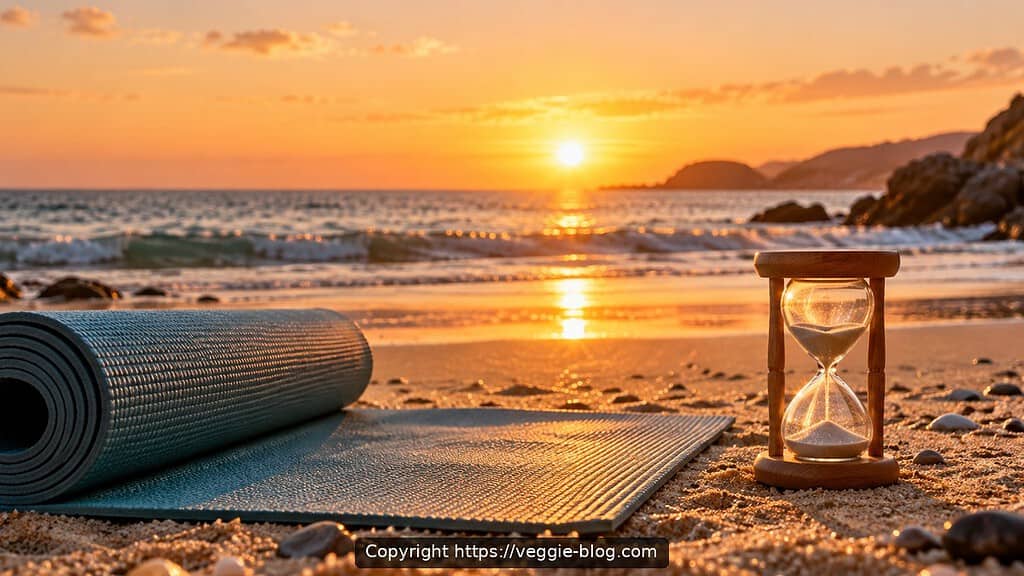
Many people say they would like to try yoga but do not have an hour to spare. The good news is that you do not need one. A few stretches and some slow breathing, done on most days at home or at work, can be a start. This article explains why short sessions are worth doing, how to fit them in, and where their limits lie.
Do short sessions count?
Yes, for general movement. The Physical Activity Guidelines for Americans recommend that adults get at least 150 to 300 minutes of moderate-intensity aerobic activity each week, plus muscle-strengthening activity on at least 2 days. The second edition of the guidelines removed the old requirement that activity be done in bouts of at least 10 minutes, to encourage people to move more often through the day. Gentle yoga is usually lighter work than brisk walking, so it is best seen as an addition to walking or other aerobic exercise. But a few minutes of stretching is a good way to break up long periods of sitting, and the first key guideline for adults is to move more and sit less. You can read the top 10 things to know about the guidelines on the official site.
What can you do in five minutes?
Here is a simple sequence, built from standard yoga and stretching moves rather than any published program. Stand tall and take three slow breaths. Reach both arms overhead, lean gently to one side and then the other. Roll your shoulders back. Bend forward at the hips with soft knees and let your arms hang. Then sit on a chair, turn your upper body gently to each side with a hand on your knee, and finish with a minute of slow breathing, in through the nose and out through the mouth. Harvard Health Publishing advises holding each stretch for about 30 seconds without bouncing, and stopping if you feel pain. Stretching after light activity, when the muscles are warm, works best.
Where can you fit it in?
Think of moments that already exist in your day: after you get out of bed, when the coffee brews, during a break from the computer, or before bed. Our gentle morning routine for beginners is one place to start, and the triangle pose for computer users fits into a work break. Start with just one slot a day and add more only when it feels easy. Short, regular practice is easier to keep up than a plan that needs a free hour.
What are the limits?
Short sessions will not replace a full workout, and a few stretches will not transform your body or cure any condition. NCCIH says yoga is generally safe when done properly, and that the most common injuries are sprains and strains, so do not force a stretch to make up for the small amount of time. People with a health condition, pregnant women and older adults should talk with their provider before beginning. The old post told the story of a yoga teacher who recovered after a serious accident and described her as looking decades younger than her age. I could not verify those claims, so I have not repeated them.
How do you make it last?
Tie the habit to something you already do, keep it short, and be kind to yourself on the days you miss. If you want a bit more, add a walk, which the guidelines count as moderate activity, and take a look at everyday activities that count as moderate exercise. As you gain confidence you can try a longer class, and our introduction to basic yoga postures will help you choose poses.
Leave a Reply