Buying Home Fitness Equipment: Seven Questions to Ask Before You Pay
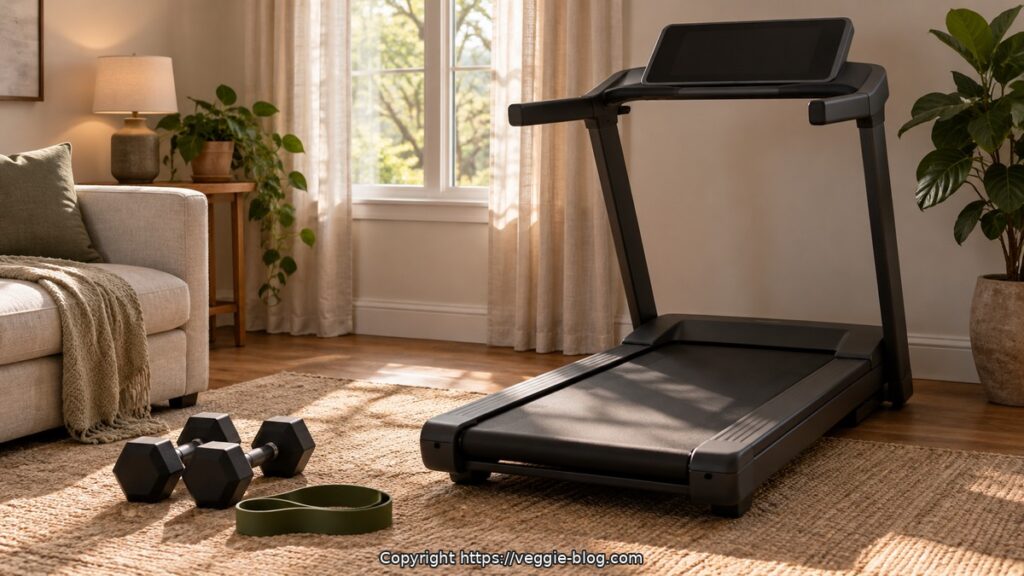
Home exercise machines are easy to buy and easy to stop using. The old version of this post gave sound advice in broken English: ask yourself a few questions before you reach for your wallet, and do not believe everything a commercial tells you. Its questions were whether you will like the equipment, whether you can afford it, whether you have room, and whether it is safe for you. I have kept those and added what the research says about safety. Much of the buying advice here is common sense and not a result from a study, and I say so where that is the case.
Will you actually enjoy using it?
This was the first question in the old post, and it is the most important: the best machine is the one you will use. If the equipment is new to you, try it first, for example at a gym or a store with a demonstration model. Starting with small, inexpensive items such as a mat or resistance bands is a lower-risk way to find out what you enjoy. Our guide on how to choose a gym and get started explains how to try things out first.
Can you afford it, and is the price a sign of quality?
The old post warned that an expensive item is no guarantee that you will use it or that it works for you. Decide on a budget first, then check quality: a very low price can mean weak construction, and a high price does not always mean a better machine. Read the warranty and return policy, and add delivery and assembly to the cost. These are general shopping tips, not rules from an official source.
Should you consider used equipment?
The old post suggested used equipment, which can cost far less if it was barely used. Check it carefully: a treadmill belt should run smoothly and bolts should be tight. Another option the old post gave is to join a gym that already has the machine, and our post on everyday activities that count as moderate exercise shows that you may not need any machine at all.
Do you have the space?
Many buyers forget this one. Measure the room before you buy a treadmill or exercise bike, and leave clear space around the machine and a path to get it into the room. Planning ahead avoids the hassle the old post described, where equipment that does not fit gets in the way.
Is it safe for you and for the children in your home?
The old post told readers with health problems to check with their doctor and to try equipment before buying. There is data behind that advice. A study in the journal Injury Prevention used national emergency department data for 2007 to 2011 and estimated about 70,000 injuries in the United States linked to mechanical home exercise equipment, 66 percent of them involving treadmills. Children aged 0 to 9 accounted for 35.2 percent of injuries, and adults aged 25 and over for 52.8 percent. The authors concluded that injury awareness and prevention are important complements to active lifestyles. Read the study here: Emergency department-reported injuries associated with mechanical home exercise equipment in the USA. In practice, keep young children away from running machines and follow the maker’s instructions. If you have a heart or joint condition, talk to your doctor first.
Do you need equipment at all?
Often you do not. The Physical Activity Guidelines for Americans advise adults to get at least 150 to 300 minutes of moderate aerobic activity a week, plus muscle-strengthening on two or more days. Brisk walking, climbing stairs and body-weight exercises can meet those goals for free, and our post on moderate exercise for fitness lists five easy ways. If you do want equipment for strength work, our guide to full-body workouts shows what two or three sessions a week can look like.
What was the old advice about asking an instructor?
The old post ended by telling you not to buy on impulse and to ask a professional gym instructor first. A qualified trainer can tell you whether a machine suits your goals and your body. Sleep on the decision, compare at least two options and only then buy.
Leave a Reply