What Is Cholesterol? Where It Comes From and Why Too Much Is a Problem
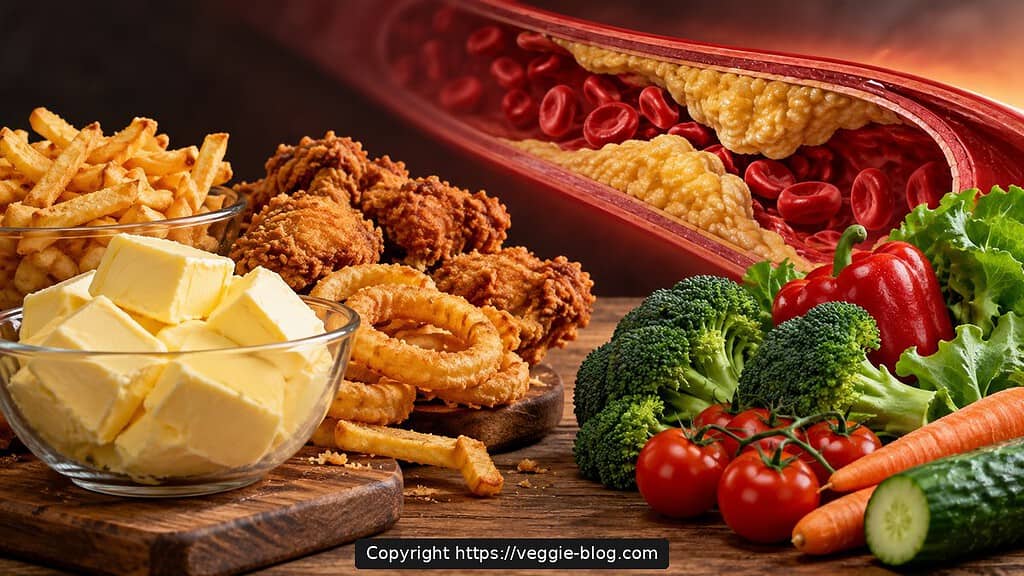
Cholesterol has a bad reputation, but your body cannot do without it. The trouble starts when there is too much of the wrong kind in your blood. This post explains what cholesterol is, what it does, where it comes from and how to keep it in balance.
What is cholesterol, and what does it do?
Cholesterol is a waxy, fat-like substance found in every cell of your body. You need some of it to build cell membranes, to make hormones and vitamin D, and to make bile, which helps you digest fat. Your body makes all the cholesterol it needs, mainly in the liver, so you do not have to get any from food. Cholesterol is also found in foods from animal sources, such as egg yolks, meat and cheese, but plant foods contain none. See the MedlinePlus overview of cholesterol for the basics.
What are LDL and HDL?
Cholesterol travels through your blood inside carriers called lipoproteins. LDL, or low-density lipoprotein, is known as “bad” cholesterol, because a high LDL level leads to the buildup of plaque in your arteries. HDL, or high-density lipoprotein, is “good” cholesterol, because it carries cholesterol back to the liver, which removes it from the body. When plaque builds up and narrows the arteries, the condition is called atherosclerosis. It can lead to coronary artery disease, and if blood flow to the heart or the brain is blocked suddenly, the result can be a heart attack or stroke. If you want to know what your own numbers mean, read our guide to understanding your cholesterol numbers.
Does the cholesterol you eat matter?
A little, but less than most people think. For most of us, saturated fat has a bigger effect on LDL than dietary cholesterol does. Saturated fat is found in fatty meat, butter, cheese and other full-fat dairy, and in some tropical oils such as coconut and palm oil. MedlinePlus advises people who are trying to lower their cholesterol to eat less than 200 milligrams of dietary cholesterol a day. That means watching egg yolks, organ meats, shrimp and whole-milk dairy.
How can you keep cholesterol in balance?
Choose unsaturated fats. Cook with olive, canola or other plant oils instead of butter, lard or coconut oil, and snack on nuts. Our post on foods to avoid to lower cholesterol has more on the other side of the plate.
Eat more fiber. Oats, beans, lentils, fruit and vegetables are rich in fiber and help keep cholesterol from being absorbed. Whole grains and legumes can also replace refined starch such as white bread.
Go easy on fast food. Burgers, fried chicken, fries and many restaurant meals are high in saturated fat and salt. Eating them now and then is not a disaster, but daily is.
Add fish or other omega-3 sources. Oily fish such as salmon, mackerel and sardines contain omega-3 fats, which are good for the heart, and walnuts and flaxseed contain a plant version.
Stay active and keep a healthy weight. Regular exercise helps raise HDL and lower LDL and triglycerides. See our post on exercise and cholesterol.
When is medicine needed?
If your LDL stays high in spite of changes to your diet and activity, or your risk of heart disease is high, your doctor may prescribe a medicine such as a statin. That decision is for you and your doctor to make, based on your numbers, your age and your family history. Never start or stop a cholesterol medicine on your own.
Leave a Reply