Idiot’s Guide to Lowering Cholesterol
The Complete Idiot’s Guide to Lowering Your Cholesterol, associated with cardiologist Joseph Lee Klapper, is presented as an accessible introduction to cholesterol and ways to manage it. The original blog post described both lifestyle measures and medical treatments. Here is a clearer look at what readers can expect—and how to interpret the advice safely.
What does the guide cover?
According to the original description, the book explains cholesterol measurements, common risk factors and ways to lower cholesterol. It discusses heart-conscious eating patterns and sample menus, physical activity, prescription medicines, supplements and approaches that were emerging when it was published. Because this is an older title, some medication discussions and predictions may be dated.
What do LDL, HDL and triglycerides mean?
LDL cholesterol is especially important when assessing the risk of plaque buildup in arteries. HDL is involved in transporting cholesterol through the body, but a high HDL value does not automatically cancel out high LDL or other risks. Triglycerides provide additional information about metabolic health. A clinician should interpret all these figures alongside age, medical history, blood pressure, diabetes, smoking and family history.
What dietary advice still makes sense?
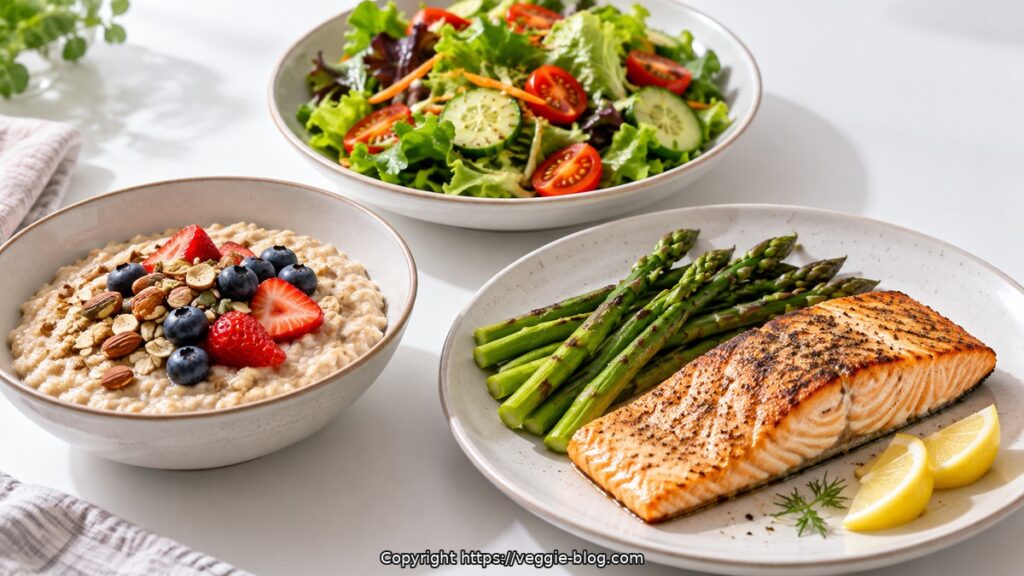
Evidence-based, cholesterol-conscious eating usually means more vegetables, fruit, legumes and whole grains, together with sources of unsaturated fat such as nuts and olive oil. Replacing some foods high in saturated fat is generally more helpful than focusing on any single “superfood”. Vegetarian readers can build satisfying meals around beans, tofu, lentils, vegetables and whole grains.
Does exercise lower cholesterol?
Regular movement is part of cardiovascular prevention even when its effect on LDL is modest. Walking, cycling, dancing or swimming can improve fitness and help with other risk factors. Choose an activity appropriate to your circumstances and increase gradually.
Are supplements and natural remedies equivalent to medicine?
No. A book discussing herbs or supplements does not mean their effectiveness and safety have been proven. Some products interact with prescribed medicines or provide uncertain benefit. If LDL remains above the goal appropriate for your risk, discuss validated treatments rather than replacing them with unverified supplements.
Who might find this book useful?
It may appeal to someone who wants a broad introduction and prefers straightforward explanations. For treatment decisions, however, use it alongside current guidance from your healthcare team, not as the final authority.
Trusted background: MedlinePlus: Cholesterol; MedlinePlus: Statins.
Related on Veggie-Blog: Exercise and Cholesterol.
Explore this guide on Amazon (affiliate link; we may earn a commission at no extra cost to you).
Leave a Reply