A Ten-Minute Yoga Routine for Low-Energy Days: Six Simple Moves
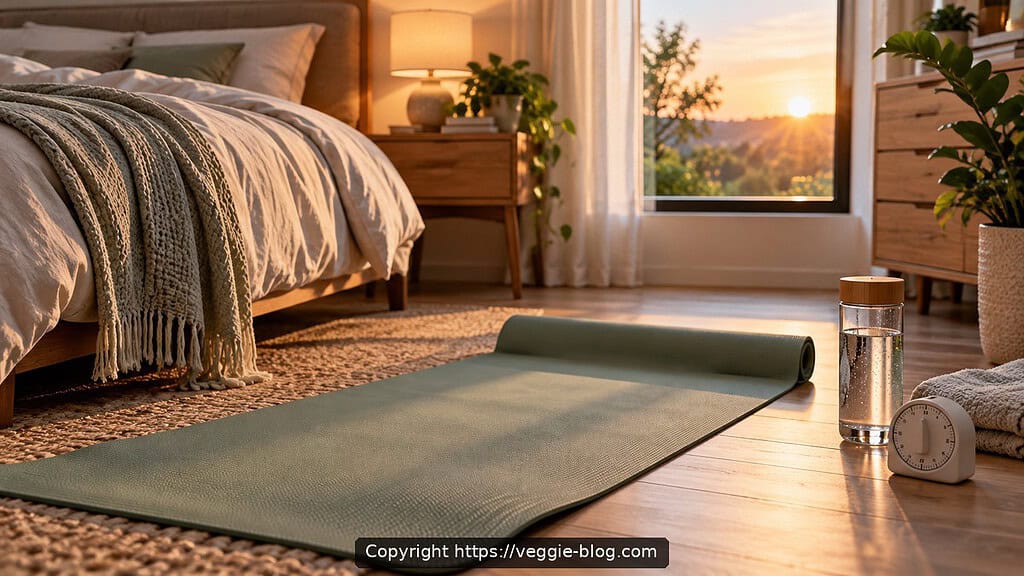
The old version of this post was aimed at people who feel drained by Monday morning or too tired to enjoy their evenings. It promised that a “new form of yoga” would raise energy in ten minutes and even improve sexual vitality and self-discipline. No study backs those claims, so I have removed them. What remains is a sensible idea: a short, gentle routine can be a pleasant way to wake up the body. Here is how to do it safely.
Can ten minutes of yoga give you energy?
It may well help you feel a little more awake, but let’s be clear about what is known. The Physical Activity Guidelines for Americans say that Americans can benefit from small amounts of moderate-to-vigorous activity throughout the day. The guidelines say that any amount of physical activity has some health benefits, and the second edition removed the old rule that only bouts of ten minutes or more counted, so a short routine is a perfectly good way to add movement to your day. Yoga is not magic, and I could not find a study showing that ten minutes of any particular style raises energy. Think of it as light activity combined with slow breathing, both of which many people find refreshing.
What do you need?
Very little. Wear clothes you can move in and use a non-slip mat or a carpeted floor. Cleveland Clinic notes that a non-slip surface reduces the risk of slipping. Do not rush any of the moves. The old post said the same, and it is good advice: every movement should be slow enough that you can breathe steadily.
What is the routine?
This is a general-purpose sequence based on common yoga practice, not a published program, and the timings are my own suggestion. Spend about one minute on each move, and repeat the sequence once if you have time.
Start with Mountain Pose: stand with your feet hip-width apart, let your arms hang, and take five slow breaths. Next, raise both arms overhead as you breathe in and lower them as you breathe out, five times. Third, bend forward from your hips into a gentle forward fold, with knees soft and hands resting on your thighs or shins. Hold for five breaths and come up slowly. Fourth, come onto your hands and knees for Cat-Cow: round your back as you breathe out, then lift your chest and tailbone as you breathe in, about eight times. Fifth, sit back on your heels in Child’s Pose, forehead resting on the mat, for five to eight breaths. Finish with a seated or lying rest for the last minute or two, breathing quietly.
How should you breathe?
Breathe through your nose if you can, and let the belly expand a little as you breathe in. The National Center for Complementary and Integrative Health describes diaphragmatic breathing as taking slow, deep breaths, and says that relaxation techniques are generally considered safe for healthy people. A small number of people report increased anxiety or intrusive thoughts, so if a breathing exercise makes you uncomfortable, return to normal breathing.
When should you skip it?
Stop if you feel pain, dizziness or numbness. NCCIH points out that people with some health conditions, such as lumbar spine disease, severe high blood pressure, glaucoma or balance problems, may need to change certain poses, and that pregnant women and older adults should talk to a health care provider first. If you are feeling tired all the time, a few minutes of yoga is not a substitute for talking to a doctor, because persistent exhaustion can have medical causes.
How can you make it a habit?
Pick a time that is already part of your day: right after you brush your teeth, or when you get home from work. The old post suggested doing the postures separately or in sequence, and that flexibility helps. On a very busy day, do just two moves. If you would like a longer option on a weekend, try our gentle morning routine for beginners, or read the basic yoga postures and their variations to add more moves. Over a few weeks you will notice whether it helps your energy and your mood, and that is the best measure.
Leave a Reply