High Cholesterol: When Lifestyle Is Enough and When Medicine Helps
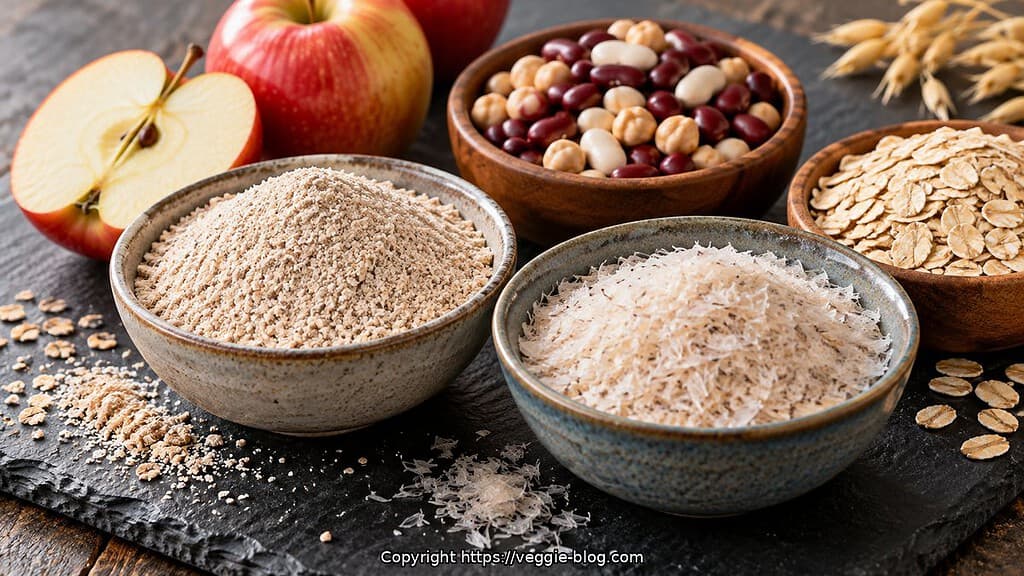
Nobody can lower cholesterol overnight, and a number of things that raise it are out of your hands. Still, there is a lot you can do, and for some people a doctor will add medicine on top. This post explains what pushes LDL, the so-called “bad” cholesterol, up, what lifestyle changes realistically do, and what you should know about statins before you talk to your doctor.
What makes LDL cholesterol rise?
Some causes you cannot change. Your cholesterol tends to rise as you get older, and after menopause a woman’s risk goes up because her levels of protective female hormones fall. High cholesterol also runs in families, and an inherited condition called familial hypercholesterolemia causes very high levels from an early age. Diabetes, kidney disease and some medicines can raise LDL as well. The causes you can change are mainly what you eat, how much you move and your weight. A diet rich in saturated fat from fatty meat, full-fat dairy and fried or processed food raises LDL more than anything else in the diet, according to MedlinePlus.
Can you lower it instantly?
No. The idea that diet and exercise are “a waste of time” because they do not work at once is a myth. Eating less saturated fat, adding fiber from oats, beans and fruit, losing extra weight and moving more all lower LDL gradually over weeks and months, and they also help your blood pressure and blood sugar. Your doctor will usually repeat the blood test after a few months to see how far you have come. Start with our guides on what you can do to lower your cholesterol, how to lower cholesterol through diet and exercise and cholesterol.
When do doctors add medicine?
If changes to your lifestyle do not bring your LDL down enough, or if your risk of heart disease is high, your doctor may prescribe a statin. Statins lower LDL by slowing down how much cholesterol the liver makes, and they help the liver remove LDL already in the blood. Studies have shown that they lower the risk of heart attack and stroke in people with high LDL. Statins usually cause no side effects. They may raise the risk of type 2 diabetes, mostly in people who are already at high risk of it, and they can cause abnormal liver blood tests, although real liver damage is very rare. Muscle damage is also rare. You should not take statins if you are pregnant or breastfeeding. Grapefruit and grapefruit juice can interfere with some statins, so ask your doctor or pharmacist. See the MedlinePlus page on statins for more detail.
You may see exact percentages quoted for one brand-name statin in drug company announcements. Results differ with the drug, the dose and the person, so do not expect to match a figure from an advertisement. Other medicines exist too, such as ezetimibe, which blocks cholesterol absorption in the gut, and bile acid sequestrants. Which one suits you is a decision for you and your doctor.
What should you tell your doctor?
Before you start any cholesterol medicine, tell your doctor about any liver or kidney problems, and whether you are pregnant or planning to be. Mention how much alcohol you drink, whether high cholesterol or early heart disease runs in your family, and whether you have diabetes, a thyroid condition or a past heart attack or stroke. List every other prescription, over-the-counter medicine and supplement you take, including antacids. Mild side effects such as an upset stomach or muscle aches should be reported, and they often settle or improve if the drug or dose is changed.
Which cooking oil is best?
Some articles claim that coconut oil is the best oil for cholesterol. That is not what the evidence shows. A 2017 advisory from the American Heart Association found that coconut oil raises LDL cholesterol, as butter and palm oil do, and it advises against using it. The advisory recommends replacing saturated fats with unsaturated ones, and olive oil, which is low in saturated fat, is one good choice. Other plant oils such as canola, sunflower and soybean oil also work.
The bottom line: aim to change your habits first, have your cholesterol checked regularly, and treat medicine as an extra tool when your doctor thinks you need it, never as a replacement for healthy eating and exercise.
Book: Lower LDL Cholesterol Naturally with Food by Michael Greger and Kristine Dennis
View this book on Amazon (affiliate link: we may earn a commission at no cost to you)
Leave a Reply