Personal Skin Care Basics: Cleanse, Exfoliate, Moisturize and Protect
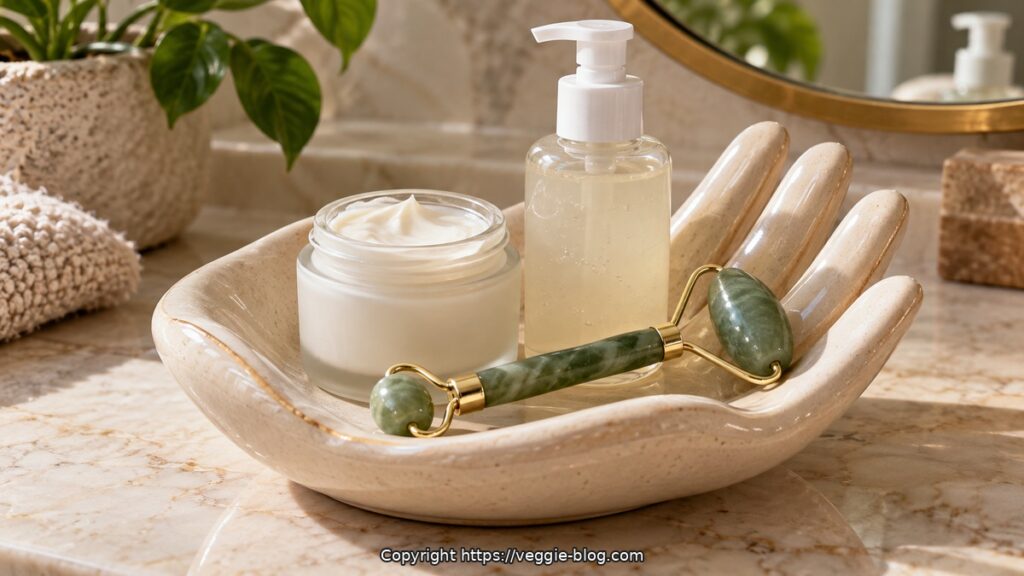
Personal skin care basics
Ask ten people what personal skin care means and you will get ten answers. For one person it is a regular visit to a beauty salon, for another a dab of cream now and then, for a third an occasional treatment once a month or once a year. In reality it is neither difficult nor costly. Personal skin care is a simple routine that looks after what your skin needs.
Start by working out your skin type (oily, dry, sensitive or normal) and look for skin care products made for it. Expect to test several products before you find the right ones. The routine below suits most people with normal skin.
Cleansing
First comes cleansing. Every cleanser is built from oil, water and surfactants (wetting agents). Oil and surfactants pick up dirt and grease, and water carries them off. Soap-free cleansers are the gentler choice, and lukewarm water is better than hot or cold, both of which can harm the skin. Do not wash too often, because over-cleansing can leave your skin dry and sore.
Exfoliating
Second is exfoliating. Your skin naturally sheds old cells and replaces them with new ones, and exfoliation gives that process a push. Dead skin cells on the surface make skin look dull and can block creams and lotions from getting through, which is why removing them improves how well your other products work. Do it after cleansing. How often depends on your skin type and on the method you use: start gently, for example once a week, and the stronger the exfoliation, the less often it should be done. Oily skin often tolerates more, and dry or sensitive skin should be exfoliated less. Stop if your skin gets irritated.
Moisturizing
Third is moisturizing. Even oily skin needs a moisturizer, which locks in moisture and also attracts some from the air. A thick layer is not better: too much can block the pores. Apply it while your skin is still a little damp for the best result.
Sun protection
Fourth is sun protection. Many daytime moisturizers contain a UV filter, which gives you two benefits at once. Wear sun protection every day, cloudy or not. A broad-spectrum product with SPF 30 or higher is the usual advice, and it only works if you apply enough.
In the end, the best routine is the one that suits your own skin, and you will find it by adjusting the products and the amounts over time. If you have a skin problem, see a dermatologist before trying new personal skin care products.
Leave a Reply