Vegetarian or Vegan? What Each Term Means and the Main Types of Vegetarian Diet
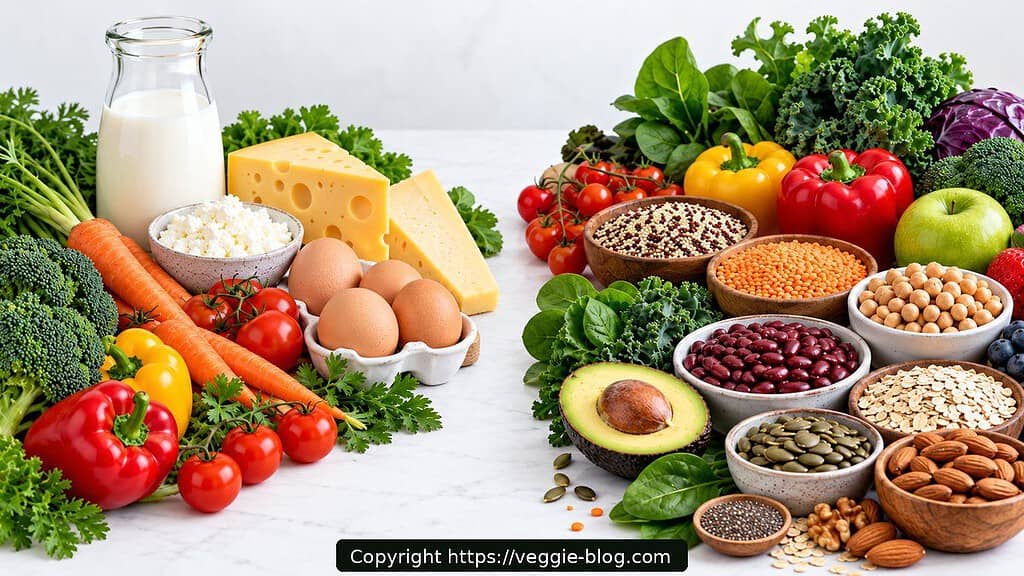
People use the words vegetarian and vegan as if they mean the same thing, but they do not. Here are the basics, with a few of the points I made in the original short post.
What is a vegetarian?
A vegetarian does not eat meat. As the Vegetarian Society puts it, being a vegetarian means you simply stop eating meat and fish. Vegetarians plan their meals so that all their nutrients come from plant foods, and most also eat dairy, eggs or both. The main types are lacto-ovo vegetarians (dairy and eggs), lacto vegetarians (dairy but no eggs) and ovo vegetarians (eggs but no dairy).
What is a vegan?
Vegans eat no animal foods at all: no meat, no dairy, no eggs and no honey. The Vegan Society describes veganism as a way of living that seeks to avoid, as far as is possible and practicable, all exploitation of and cruelty to animals for food, clothing or any other purpose. That is why many vegans also avoid leather shoes and clothes, and cosmetics that were tested on animals, as I wrote in the first version of this post.
What is the difference in one line?
Vegetarians eat no meat but may eat dairy and eggs. Vegans eat no meat, no dairy and no animal products of any kind. Both are choices people make for health, ethical or environmental reasons, and many people start as vegetarians and move toward a vegan diet over time. If that sounds like you, see what veganism means and what vegans need to watch.
Are these diets healthy?
They can be. The Academy of Nutrition and Dietetics concluded that appropriately planned vegetarian diets, including vegan diets, are healthful and nutritionally adequate. The key words are appropriately planned. A reliable source of vitamin B12 is essential for vegans, because the NIH notes that plant foods have none unless they are fortified. Vegetarians and vegans should also pay attention to iron, calcium and protein.
Leave a Reply