Antioxidant Foods: Why Colorful Plants Beat Supplements
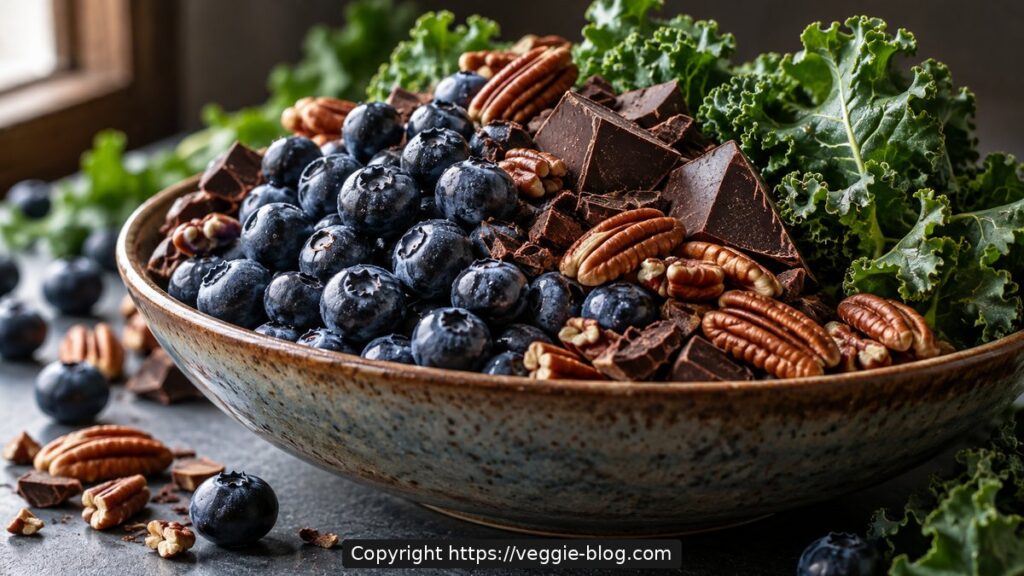
The old version of this post argued that you should eat antioxidant-rich vegetables, but that supplements are better than fruits and vegetables because they come without chemicals, sugar or calories, and it listed steak among the best sources of antioxidants. Those last claims are not supported by research, so I have rewritten the post around what is known about antioxidants in food and in pills.
What are antioxidants and where do they come from?
The National Center for Complementary and Integrative Health explains that our cells produce reactive substances during normal activity, and that excess of these substances can lead to “oxidative stress,” which may damage cells. Our bodies make some of the antioxidants they need. Others come from foods such as fruits, vegetables and grains. Some, including vitamins C and E and beta-carotene, are also sold as supplements. The old post is right that vegetables like broccoli, cauliflower, tomatoes and peppers are good choices, and the pigments that give plants their color are among the compounds researchers study.
Does eating colorful plants help?
There is strong evidence that people who eat more fruits and vegetables have a lower risk of chronic disease. The NCCIH points to a 2017 review of 95 observational studies, with more than 2 million participants in total, which found that higher intakes of fruits and vegetables were linked to lower risks of cardiovascular disease and cancer. It adds a caution: those people may also differ in other ways, such as being more active, and the benefit may come from other substances in the food, not from antioxidants alone. A practical rule is to fill half your plate with a mix of colors, and to include frozen vegetables, which are convenient and keep well.
Is organic produce higher in antioxidants?
The old post said organic fruits and vegetables have a “far higher” concentration. The real figure is more modest. A 2014 review of 343 studies in the British Journal of Nutrition found that antioxidant compounds were about 18 to 69 percent higher in organically grown crops, depending on the compound, and that detectable pesticide residues were found about four times as often in conventional crops (46 percent of samples compared with 11 percent). The review measured what is in the crops, not whether people who eat them are healthier. So if organic produce is affordable and you prefer it, there is a case for it; if it is not, ordinary fruit and vegetables are still worth eating. You can read the review abstract on PubMed.
Can supplements replace antioxidant foods?
No. The NCCIH reports that, except for age-related macular degeneration, there is currently no evidence that antioxidant supplements have a positive effect on cancer, heart disease, cataracts or other diseases of aging. High doses of beta-carotene may even increase the risk of lung cancer, especially in smokers and people exposed to asbestos, and in 2022 the U.S. Preventive Services Task Force recommended against beta-carotene and vitamin E supplements for preventing heart disease or cancer. Purified antioxidants do not behave like the mixture of substances in a whole food. The old post also claimed that supplements are better because fruits and vegetables carry chemicals and sugar. Plain fruit and vegetables do not need to be replaced by pills; if you buy canned ones, choose fruit packed in water or juice and vegetables without added salt, which is general nutrition advice, not a finding from the sources above.
What about meat and CoQ10?
The old post listed steak and meat as great sources of antioxidants and CoQ10 as a high-value supplement. The sources I checked name fruits, vegetables and grains as the main dietary sources, and I found no support for either claim, so I have dropped them. For more on supplements, read bee pollen and other antioxidant supplements, vitamin C and choosing vitamin supplements.
Leave a Reply