Zinc: What It Does, How Much You Need and When Supplements Make Sense
Zinc is an essential mineral that your cells need every day. It is also often sold as a supplement with big claims. The old version of this post said zinc supplements are “proven” to eliminate sexual dysfunction and can counter vision loss, and it named 100 mg a day as the level at which the immune system is harmed, which is far above the safe upper limit. This update follows the NIH Office of Dietary Supplements (ODS) instead.
What does zinc do?
ODS says zinc is found in cells throughout the body. It helps your immune system fight off invading bacteria and viruses, helps the body make DNA and proteins, and is needed for proper growth and development during pregnancy, infancy, childhood and adolescence. Zinc also helps wounds heal and is important for the proper sense of taste. The professional fact sheet adds that zinc deficiency can interfere with the senses of taste and smell. The old post made the same point about taste and smell, which is correct.
How much do you need?
ODS lists the Recommended Dietary Allowance for zinc as 11 mg a day for adult men and 8 mg for adult women, rising to 11 mg during pregnancy and 12 mg while breastfeeding. Most people in the United States get enough, but some groups are at higher risk of inadequate intake: people with gastrointestinal disorders or who have had bariatric surgery, vegetarians and vegans, and women who are pregnant or breastfeeding. Our post on vegan foods for pregnancy lists zinc sources for plant-based eaters.
Which foods contain zinc?
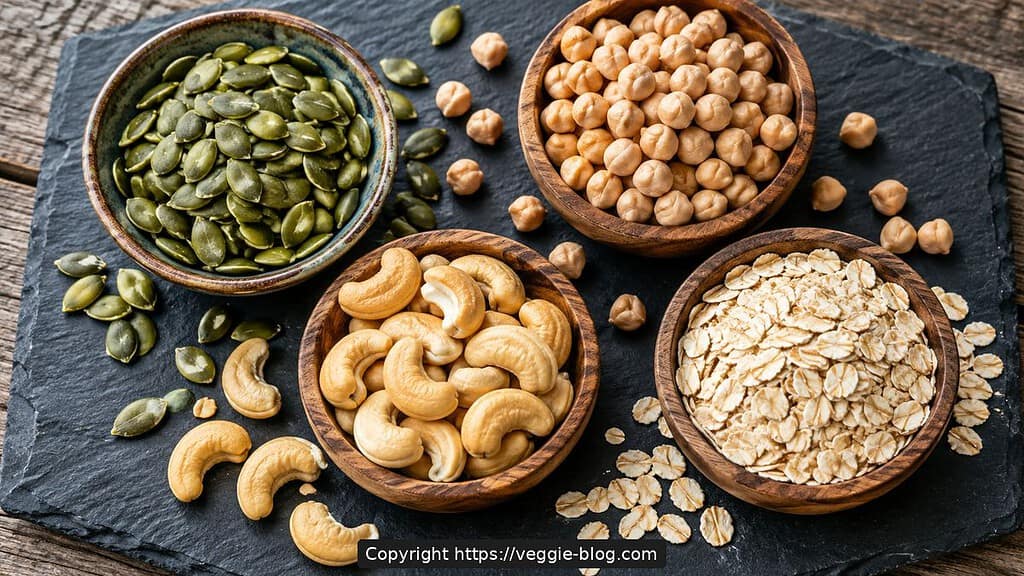
Meat, fish and other seafood, eggs and dairy products are good sources. Plant sources include fortified breakfast cereals, pumpkin seeds (about 2.2 mg in an ounce), lentils (1.3 mg in half a cup) and cooked oats (2.3 mg in a cup of unenriched oatmeal), according to the ODS table. People who eat no animal products may need to take extra care, because phytates in legumes and whole grains bind zinc and reduce how much the body absorbs. ODS says soaking beans, grains and seeds in water for several hours before cooking can help. See also our guide to vitamin deficiency.
Can too much zinc be harmful?
Yes. ODS says signs of too much zinc include nausea, dizziness, headaches, upset stomach, vomiting and loss of appetite. Taking too much for a long time can lower immunity, lower HDL cholesterol and cause low copper levels, which can lead to neurological problems. The daily upper limit for adults is 40 mg from all sources, including food, drinks, supplements and medicines. The old post’s “100 mg” figure is well above that limit. The old post also warned that zinc can interfere with copper, which fits with this.
What does the research say about benefits?
The old post made strong claims, so here is what the evidence supports. ODS says clinical trials of zinc lozenges or syrup for the common cold have reported mixed results: they may shorten the cold if taken early, but do not appear to affect how severe the symptoms are. For age-related macular degeneration, large trials show that supplements containing zinc, copper and certain antioxidants (the AREDS formulations) slow progression in people at high risk of the advanced form. That is a specific supplement for a specific group, and not a general way to prevent vision loss. For sexual function and hair, I could not find authoritative evidence, so I have removed those claims.
How should you choose a supplement?
Talk to your doctor first, especially if you think you may be deficient. ODS notes that zinc can interact with certain medicines, such as quinolone and tetracycline antibiotics. Check the Supplement Facts label for the dose, look for a quality seal, and remember that the FDA does not judge supplements for effectiveness before they are sold. Our guide to how and when to take supplements and the overview on vitamins and your health give more tips. The full NIH fact sheet on zinc has more detail.
Leave a Reply