Archive for April, 2011

Yoga as Medicine by Timothy Mccall

by on Sunday, April 10th, 2011

The definitive book of yoga therapy, this groundbreaking work comes to you from the medical editor of the country’s premier yoga magazine, who is both a practicing yogi and a Western-trained physician.

Beginning with an overview of the history and science of yoga, Dr. McCall describes the many different techniques in the yoga tool kit; explains what yoga does and who can benefit from it (virtually everyone!); and provides lavishly illustrated and minutely detailed instructions on starting a yoga practice geared to your fitness level and your health status. Yoga as Medicine offers a wealth of practical information, including how to:

•Utilize yogic tools, including postures, breathing techniques, and meditation, for both prevention and healing of illness

•Master the art of becoming more in tune with your body

•Communicate more effectively with your doctor

•Adopt therapeutic yoga practices as either an alternative or a complement to surgery and to expensive, sometimes dangerous medications

•Practice safely

Book: Yoga as Medicine by Timothy Mccall
View this book on Amazon (affiliate link: we may earn a commission at no cost to you)

Yoga for Anxiety by Mary Nurriestearns

by on Friday, April 8th, 2011

According to yogic philosophy, there are five causes of suffering: separation from the spiritual, limited self-concept, attachments, aversions, and fear of death. With this philosophical contextualization, Yoga for Anxiety examines the causes of anxiety and helps readers create personal yoga programs designed to heal their symptoms and promote personal growth.

Regular yoga practice has been proven to calm stress, enhance concentration, and reduce the symptoms of anxiety. This book offers meditations, mindfulness practices, self-inquiry exercises, and yoga poses that soothe anxious feelings and develop mental clarity. Before long, you”ll free yourself from the anxiety and fears that hold you back and learn to live with a more open heart and resilient mind. Just as yoga helps you feel more at home in your body, the mental and physical practices in Yoga for Anxiety help you increase your sense of contentment in life.

What is Yoga for Anxiety about?

The book description says the book starts from yogic philosophy, which names five causes of suffering: separation from the spiritual, a limited self-concept, attachments, aversions and fear of death. From that background it looks at the causes of anxiety and helps readers build personal yoga programs.

What will I learn from it?

The description lists meditations, mindfulness practices, self-inquiry exercises and yoga poses. It says these are meant to soothe anxious feelings and develop mental clarity.

What does the description promise?

The description states that regular yoga practice “has been proven to calm stress” and says the programs are “designed to heal their symptoms”. Those are the description’s statements and are not confirmed here, and yoga is not a replacement for treatment from a doctor or therapist.

Who is behind Yoga for Anxiety?

Mary Nurriestearns, as shown in the title on this page is the author listed in the title.

This summary of the book description is not medical advice.

What should I know about anxiety and yoga before reading?

Anxiety is common, and the WHO anxiety disorders fact sheet reports that effective treatment exists, including psychological therapies and, for some people, medicine. Yoga is sometimes explored as a complement. The NCCIH anxiety and complementary approaches page cautions that research on yoga for anxiety is still limited, and that it should not replace conventional care.

Gentle movement and slow breathing can help some people feel calmer in the moment. That is a modest, practical claim and not a treatment. If worry is interfering with sleep, work or relationships, speak with a doctor or a mental health professional, and tell them about any yoga or breathing practice you are adding.

Related reading on this blog: Can Yoga Help You Think Clearly at Work? Stress, Focus and Better Decisions and Breathing and Relaxing: A Five-Minute Breath Break and What the Research Says

Book: Yoga for Anxiety by Mary Nurriestearns
View this book on Amazon (affiliate link: we may earn a commission at no cost to you)

Women Detox

by on Wednesday, April 6th, 2011

Detox 4 Women focuses on getting rid of Candida, a problem Rose had seen growing rampant among women in her practice. In doing this, she eliminates fruit and nuts permissible in her former book. She allows some animal products which I don’t agree with (all fish contains mercury and also see The China Study) and incorporates the the principles of proper food combining which I think is great. Her tone is very girlfriend’s guide and she is excited about what she’s doing which gets you excited. Her flexibility on animal products as well as red wine and chocolate might ease some people into the program who may otherwise feel overwhelmed.

Women long for the kind of beauty and health that can only come with clean cells. Yet many women find detox plans difficult to follow and are disappointed with the results. In her ten years of working privately with celebrity clients at leading Manhattan spas, Natalia Rose has discovered that traditional detox plans don’t work for adult women because their microbial balance is completely out of whack. In fact, doing the wrong kind of detox can make their symptoms even worse!

Here is the solution. Rose has formulated a very specific detox prescription for women that is easy to follow and gentle on the system, yet yields fantastic results that are both immediate and lasting. In Detox for Women, she brings you her powerful step-by-step plan that will help you shed weight, look years younger, and radiate energy in only 28 days.

View this book on Amazon (affiliate link: we may earn a commission at no cost to you)

What Is Yoga?

by on Sunday, April 3rd, 2011

What is yoga?

Yoga, a Sanskrit word often translated as union or discipline, is an ancient practice from India. The sage Patanjali compiled the Yoga Sutras, one of its key texts, many centuries ago (scholars date it somewhere between about 200 BC and AD 400). The aim of yoga is to stretch the muscles, exercise the body and improve concentration. It can also help you relax, if you have trouble doing that.

No wonder this ancient practice has become popular among entertainers and athletes. Depending on who practices it, yoga can be simply a set of exercises or a whole way of life.

Discipline and breathing

Some who study yoga, called yogis, try to use it to reach a higher level of consciousness. They respect certain abstentions (things not to do), such as not lying, stealing, being greedy or harming other people. They also practice certain observances (things to do), such as being clean, content, self-controlled, studious and devoted.

Physical control is also important in yoga. Yogis train themselves to take full, deep breaths. They regard breathing as a life force, counting a lifespan not in years but in the number of breaths taken.

Yoga poses

Unlike exercises that focus only on strength, yoga also helps the body become flexible. Some yoga exercises (called asanas) look rather odd, and you may think you need to be a human pretzel to do them. Not so. You just have to relax.

In yoga, you do gentle stretches, never forcing yourself. The “no pain, no gain” rule does not apply. You do only the best you can at the moment, and at some later moment you will do more.

All yoga poses involve balance. And since you can’t balance if you’re thinking about last night’s TV show, yoga also demands concentration. Learn to concentrate in yoga, and you will be better able to concentrate in baseball, tennis or even school.

Yoga exercises borrow from nature. Many yoga poses can be traced to the shapes of animals, such as the cobra, cat, dog, tortoise, crab and eagle.

In the cobra pose, for example, you ask yourself, what would it feel like to be a cobra? You lie on your stomach with your forehead on the floor. As you inhale, you slowly lift your head and chest, supporting yourself with your hands. You hold that pose, then come down slowly, trying to move as a snake would move.

All yoga exercises develop skill and calmness. The effect of each move on a muscle or joint is carefully worked out.

You can choose exercises to ease typical aches, such as the stiffness from back-packing or the leg strain from jogging. Yoga can also help prepare you for skiing, and it may help you manage stress and feelings of fear or low mood, although it is no replacement for treatment if those feelings are strong.

Any good book on yoga will describe different asanas and explain how each works. You may already have done some yoga exercises without knowing it. Ever done a handstand, or the wheel? Many exercise programs borrow from yoga.
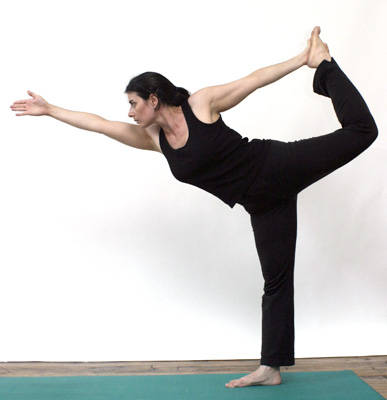
Woman practicing yoga balance pose, demonstrating flexibility and focus.

What is Yoga

How to Choose a Yoga Video: Healing, Gentle and Power Yoga Titles Compared

by on Friday, April 1st, 2011

The old version of this post said there were more than a hundred yoga videos on the market, “from nude yoga to postnatal yoga,” and then reviewed two of them. Today there are far more, on DVD, streaming apps and video sites, and the old reviews are worth reading mainly for what they teach about choosing one. Below I keep the useful points from those reviews and remove the health claims the research does not support.

Why are there so many kinds of yoga videos?

Yoga is practiced in many styles, from slow, restorative sessions to fast-moving power yoga, so videos range from relaxing stretches to workouts that leave you sweating. The label on the box rarely tells you how hard a video really is. Reading the description, checking the length and watching a preview are better guides than the title alone.

What did the old post say about a “healing yoga” video?

It described a 35-minute video for common health conditions, presented by two instructors who take turns demonstrating. It was split into three parts: breathing and stretching, strength poses such as downward-facing dog, and relaxation. The reviewer liked the calm voices, the clear explanations, the modifications that make poses easier, and the fact that none of the poses was very difficult. I have not been able to confirm the instructors’ names or that this video is still sold, so I have left them out.

The old description also said that the video “promises” to improve circulation, to help with diabetes symptoms and cholesterol, and to boost metabolism. A video cannot promise that. According to the National Center for Complementary and Integrative Health, research suggests that yoga may help with stress, neck pain, headaches and some other problems, but it is not a replacement for medical care. If you have diabetes or high cholesterol, ask your health care provider before you start, and see our post on yoga and type 2 diabetes for what the research shows.

What about a power yoga video “for beginners”?

The second video reviewed was a 20-minute power yoga session led by Rodney Yee, set against mountains in Maui, built around a series of sun salutations. The reviewer’s warning is still good advice: do not assume that “for beginners” means easy. The workout was short but demanding, with poses that need upper-body strength, and the reviewer complained that the teacher never showed an easier version of each pose or explained how to build up to them. That is the biggest weakness a yoga video can have, because there is no teacher in the room to adjust you. I could not confirm which Rodney Yee title was meant, so use this as a lesson rather than as a recommendation.

How do you pick a safe video?

The NCCIH says yoga is generally safe for healthy people when it is done properly under the guidance of a qualified instructor, and that learning on your own without supervision has been linked to a higher risk of injury. The most common injuries are sprains and strains, and older adults need to be especially careful. A video is not a live teacher, so look for these things before you press play:

Does the instructor offer easier and harder versions of each pose? Are the instructions clear about where your knees, back and neck should be? Is the level honestly labeled, and can you do the first five minutes comfortably? Does the teacher have recognized training? Also stop if something hurts, and skip any pose you are not ready for. If you have a health condition, are pregnant, or are over 65, talk with your provider first.

Where can you read more?

Our guide to yoga videos and how to pick one that loosens tight muscles and our tips on choosing a beginner yoga video go into more detail, and learning yoga online covers websites and teachers as well.

View this book on Amazon (affiliate link: we may earn a commission at no cost to you)