Eating Low-Carb on a Budget: Practical Ways to Cut Costs Without Dropping the Plan
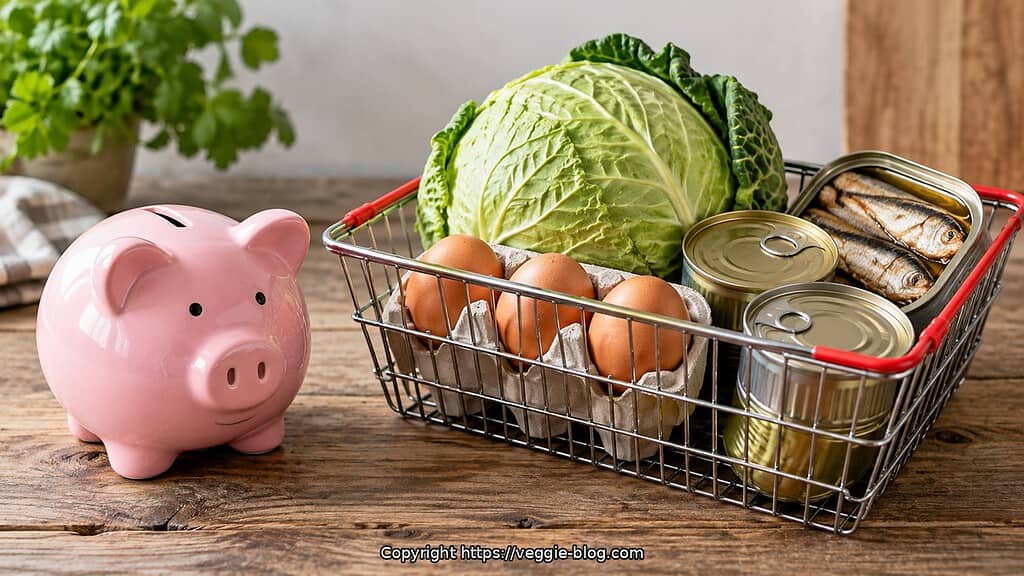
Low-carb eating can be expensive when it leans on fresh meat, specialty products and recipes with long ingredient lists. It does not have to be. A few habits will lower the cost of a week of meals without changing what you eat. Here are the ones that work best.
Why does planning save money?
Recipes in diet books often call for pricey ingredients because they are meant to look impressive. You can follow a low-carb plan with simple meals such as eggs and vegetables, a roast chicken with salad, or a stir-fry made from what is in the freezer. Plan the week’s menu, write a shopping list and go after you have eaten, because shopping when you are hungry usually adds to the bill. If you are following a specific plan, our posts on planning for Atkins and Atkins diet basics explain what to include.
Is buying in bulk and freezing safe?
Yes, when you do it properly. The USDA Food Safety and Inspection Service says that food kept constantly at 0 °F stays safe, and that recommended storage times are for quality only. Uncooked ground meat keeps its best quality for 3 to 4 months and cooked meat for 2 to 3 months. Divide large packs into meal-sized portions in freezer bags, label them with the date, and thaw them in the refrigerator, in cold water or in the microwave, never on the counter. Freeze leftovers within 3 to 4 days. See the USDA guidance on freezing food.
Which protein foods are the best value?
Look beyond steak. Cuts that are often cheaper, such as chicken thighs, and cuts that cook well in a slow cooker, can give you protein for less. Eggs are a bargain: USDA data show that 100 grams of hard-boiled egg has about 12.6 grams of protein and about 1 gram of carbohydrate, and roasted chicken thigh meat has about 24.8 grams of protein and no carbohydrate. Tofu is another option. Keep an eye on legumes, which are inexpensive but contain carbohydrate: boiled lentils have about 19.5 grams per 100 grams and canned kidney beans about 21.5 grams, so they may only fit in small amounts, depending on the stage of your plan.
Can you save on vegetables?
Buy whole heads of lettuce rather than bagged salad, since you pay for the washing and chopping with bagged salad. Romaine has only about 3 grams of carbohydrate per 100 grams. Frozen vegetables are convenient and cheap, and the USDA notes that the freezing process itself does not destroy nutrients. Cauliflower, broccoli and spinach are good choices. A salad spinner keeps leaves crisp, so that less is thrown away.
Are low-carb products worth buying?
Usually not. Low-carb bars, breads and snacks tend to cost more than ordinary foods, and the label can hide extra carbohydrate. They also often use sweeteners, and the World Health Organization advises against relying on non-sugar sweeteners for weight control. Spend your money on real food instead. If you want to try a swap, cauliflower rice and zucchini noodles are simple and cheap. Check the nutrition facts panel, and look up foods in the USDA FoodData Central database when you are not sure.
What else helps?
Use sales: if chicken thighs are cheaper than breasts this week, swap them in, as long as the recipe stays within your plan. Cook once and eat twice, for example by roasting a large tray of vegetables and chicken. Keep a food list in your phone so that you can check an unfamiliar sale item. And remember that diets for weight loss work best when you can keep them up for a long time; a plan that you can afford is one you can follow. Our post on common mistakes Atkins dieters make lists the pitfalls to avoid.
Leave a Reply