Planning for Atkins: How to Prepare Meals and Stay on Track
Planning for Atkins
When it comes to the Atkins diet, your success depends on your planning. Having the right foods on hand when you begin makes a big difference to how well you do. There are plenty of suggestions for Atkins meals in the Atkins books, and plenty of low-carb recipes online.
Planning your meals and snacks is an essential part of any diet, not only this one. If you eat whatever is nearest, it is easy to gain weight, and a lot of us got where we are by letting our eating habits go unchecked for years. A little planning brings them back under control.
Why is it hard at first?
Like every eating plan, the Atkins way of eating takes some effort and an adjustment period. The conventional Western diet relies heavily on carbohydrates. Many people grew up on favorites such as spaghetti and meatballs, meat and potatoes, and pasta casseroles. It will take patience to get used to eating in a different way.
What are the two approaches?
There are two ways to change your diet. The first is to find replacements for your favorite foods with low-carb versions. A lasagna made with slices of eggplant or zucchini instead of pasta has far fewer carbohydrates than the usual one, and spaghetti squash makes a good substitute for spaghetti. There are also low-carb or carb-free substitutes for bread, pasta and sugary products, although you should check the labels, because some contain sweeteners that upset the stomach.
The second approach is to learn recipes that center on protein and other low-carb foods. If you eat meat and fish, there is a wide variety beyond ground beef and chicken. You can add pork, lamb and ham to your weekly routine, or try game birds such as Cornish hen, quail and pheasant. If you have never liked fish, try a different type, because some people who dislike trout love salmon. Shellfish such as mussels, clams and shrimp are also on the list. Vegetarians can build meals around eggs, cheese, tofu, tempeh, nuts and seeds, with plenty of non-starchy vegetables.
What can you keep on hand?
Make sure you have some quick foods ready for snacks and fast meals. Sliced cucumber, radishes and celery tossed with lemon mayonnaise make a great low-carb lunch or side salad. Sautéed peppers, mushrooms and garlic served on arugula with feta cheese is another good option.
How do you plan your meals?
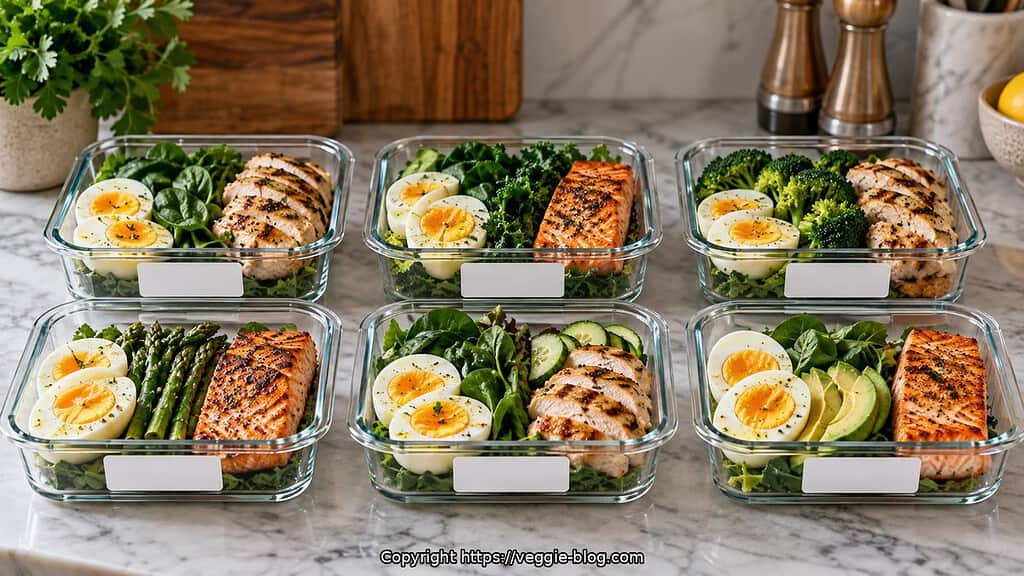
Research and try different low-carb recipes before you need them, so that you have a good idea of what to cook. The most important step you can take is planning. A good stock of easy-to-prepare meals will keep you from hitting the drive-through or a restaurant and breaking your diet. Write a shopping list for the week, and prepare some food in advance when you have time.
If you have tasty food to look forward to every day, you will be less likely to feel deprived. Even during the restrictive first phase, there are many food combinations to try. At first glance the vegetable and protein options may seem limited, but that is only when you compare them with what you were used to. With a little planning and creativity, you can find something interesting to eat every day.
Where can you learn more?
Our posts on Atkins induction rules, Atkins diet foods, Atkins shopping tips and Atkins and sugar cravings cover the details. Low-carbohydrate diets are not suitable for everyone, so talk to your doctor before you start, especially if you have diabetes or kidney problems, or are pregnant.
Leave a Reply