Atkins Shopping Tips: How to Plan, Read Labels and Buy Meat in Bulk Safely
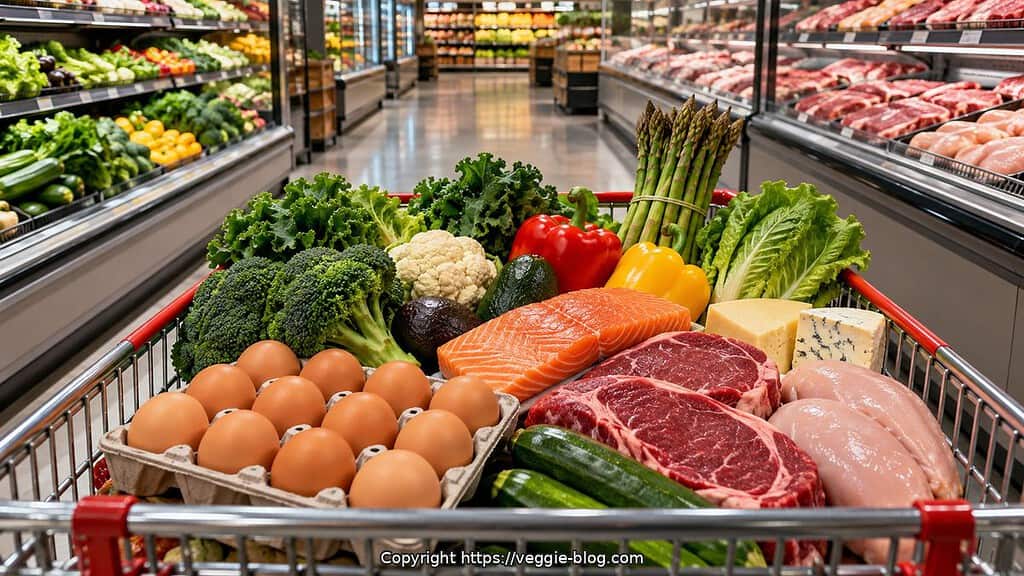
When you start the Atkins diet, the supermarket changes. The old version of this post said that macaroni and cheese, pasta and bread vanish from the shopping list, and that you may feel like a fish out of water for the first few trips. It also gave tips on planning, buying meat in bulk and reading labels. This rewrite keeps those tips, checks them and adds food-safety and label advice.
How do you plan before you leave home?
The old post suggests listing the week’s recipes first, working out what each meal needs, and adding low-carb snacks for between meals. That is good practice for any diet. It also suggests cooking one main dish for the whole family and giving the others a carbohydrate side, such as half a potato next to the meatloaf, so you do not have to cook two dinners. For snack ideas with real carb counts, see low-carb snack ideas for Atkins and other low-carb plans, and for menus see planning for Atkins.
Where should you shop in the store?
The old post advises filling your cart with protein and produce first, so there is less room for anything else, and sticking to the outer edges of the store, where the produce, meat, fish and deli counter usually are. Store layouts vary, and plain frozen vegetables in the middle aisles are fine too. The old post also said to avoid all packaged foods during the first phase, including low-carb products. Our post on what you can eat on Atkins and how to read the label lists the foods that make up most of the plan.
How do you read a label?
Be careful with “low carb” claims on the front of a package. According to a dietitian at Ohio State’s Wexner Medical Center, “net carbs” is a term created by food companies, and neither the FDA nor the American Diabetes Association endorses it. They advise looking at total carbohydrates on the Nutrition Facts label. Net carbs are usually worked out by taking total carbohydrate and subtracting fiber and sugar alcohols, and it can still be useful to know them if you are counting carbs. The old post warned that some products have hidden sugars, which is a good reason to read the ingredient list too. Learn more in the Ohio State article on tracking net carbs.
Is buying meat in bulk a good idea?
It can save money, as the old post says, but only if you store the meat safely. The U.S. Department of Agriculture advises storing raw ground beef at 40°F (4°C) or below and using it within one to two days, or freezing it. Frozen at 0°F, ground beef stays safe indefinitely, though quality drops and USDA suggests using it within about four months. Cook ground beef to 160°F, and never leave raw meat out for more than two hours (one hour above 90°F). That is why the old post’s tip to cook meat in batches fits well: cook it, refrigerate it within two hours and keep it cold. USDA says cooked ground beef keeps for about three to four days in the fridge, or freeze it. Mark packages with the date. Read the details on ground beef and food safety.
What about cheese and fiber?
The old post says cheese can be bought in bulk if you tolerate it, and reminds readers to eat fiber (salad or raw vegetables) with it. Cheese is high in saturated fat, so keep portions reasonable, and low-carb eating can be low in fiber, which is why vegetables matter. Check the labels on shredded or processed cheese too.
How do you keep costs down?
Low-carb shopping is often expensive. Our guide to eating low-carb on a budget explains how planning, bulk buying and freezing, and choosing good-value proteins can trim the bill. With a list, a plan and a little practice, the old post says you will soon be an experienced low-carb shopper, and that part of the advice still stands.
View this book on Amazon (affiliate link: we may earn a commission at no cost to you)
Leave a Reply