Detox Herbs and Your Immune System: What the Evidence Says
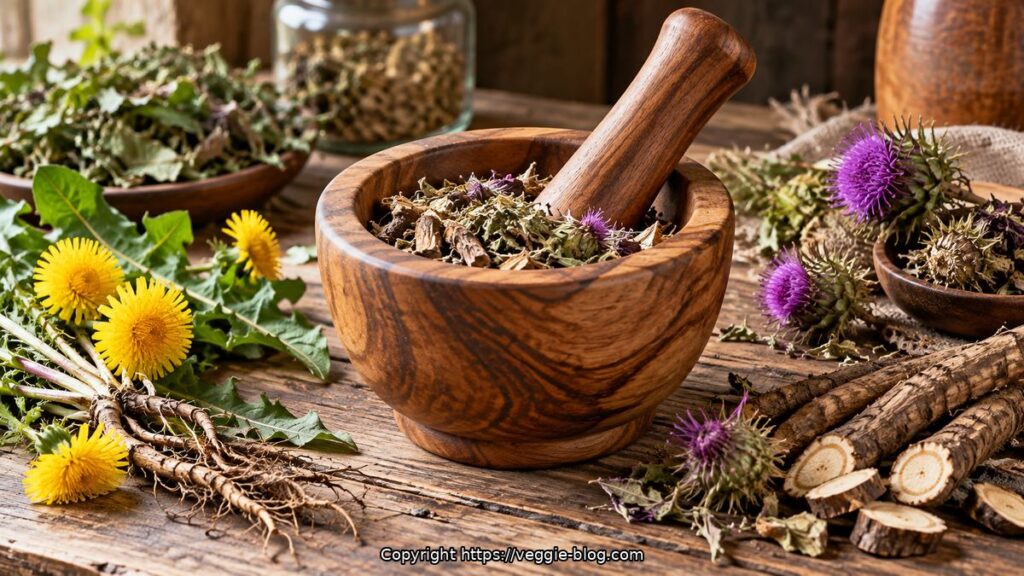
You may have read that some herbs can clean toxins out of your body and strengthen your immune system. It is a popular idea, and the herbs involved, such as dandelion, milk thistle, nettle and psyllium, are easy to buy. Before you add them to your routine, it helps to see what is actually known.
What does your immune system need?
Your immune system is a network of cells, tissues and organs, including the lymph nodes, that defends you against germs. It does not accumulate “toxins” that have to be flushed out, and you cannot switch it into a higher gear with a supplement. The things that help are not glamorous: enough sleep, regular exercise, a varied diet with plenty of fruit and vegetables, not smoking, limiting alcohol and keeping up to date with recommended vaccines. Your liver and kidneys are the organs that filter and remove waste products, and they do that job without any help from herbs when they are healthy.
Do detox herbs work?
The National Center for Complementary and Integrative Health says that there is no compelling research that “detox” diets and products remove toxins from the body or help with weight control, and that some detox programs can be unsafe or falsely advertised. For herbs, this means that the claims on the label usually go further than the evidence. Here is what is known about some of the most common ones:
Dandelion: Dandelion is used in food in many places, and in the amounts found in food it is considered likely safe. However, NCCIH reports that there is no compelling scientific evidence supporting its use for any health condition. Larger amounts might interact with medicines such as blood thinners, diabetes drugs and water pills.
Milk thistle: Milk thistle has been used for centuries for liver complaints, but the NCCIH page on milk thistle says there is not enough high-quality evidence to reach firm conclusions about its effects on health conditions. It is generally well tolerated, although people who are allergic to ragweed and related plants may react to it.
Psyllium: Psyllium seed husk is a source of soluble fiber. It bulks up stool, and it is a mild laxative that can help with constipation. It can also modestly lower cholesterol, but it does not “absorb toxins,” and you should take it with plenty of water.
Cascara sagrada: This is a stimulant laxative, not a tonic. In 2002 the US Food and Drug Administration removed cascara sagrada from over-the-counter laxative products because its safety and effectiveness had not been shown.
Nettle and burdock: These are traditional herbs, often used in teas. We could not find reliable human studies showing that either one cleanses the body or strengthens immunity, so treat any such promise with caution.
How can you use herbs safely?
First, talk to your doctor or pharmacist if you take any prescription medicine, have liver or kidney disease, or are pregnant or breastfeeding, because herbs can interact with drugs and affect the body in ways that are not always obvious. Second, buy from a reputable maker, because the strength and purity of herbal products vary. Third, never use a herb to replace medicine you have been prescribed, or to treat a serious illness. And do not use stimulant laxatives for more than a short time.
What is the takeaway?
A cup of herbal tea can be pleasant and relaxing, but it will not cleanse your immune system. If you want a stronger body, spend your time and money on food, sleep and movement. For more on individual herbs, see our posts on detox herbs and what home remedies can and cannot do, body detox the easy way, what the evidence says about cleansing the body and how to judge body detox products before you buy.
Leave a Reply