Detox Herbs: What Home Remedies Can and Cannot Do
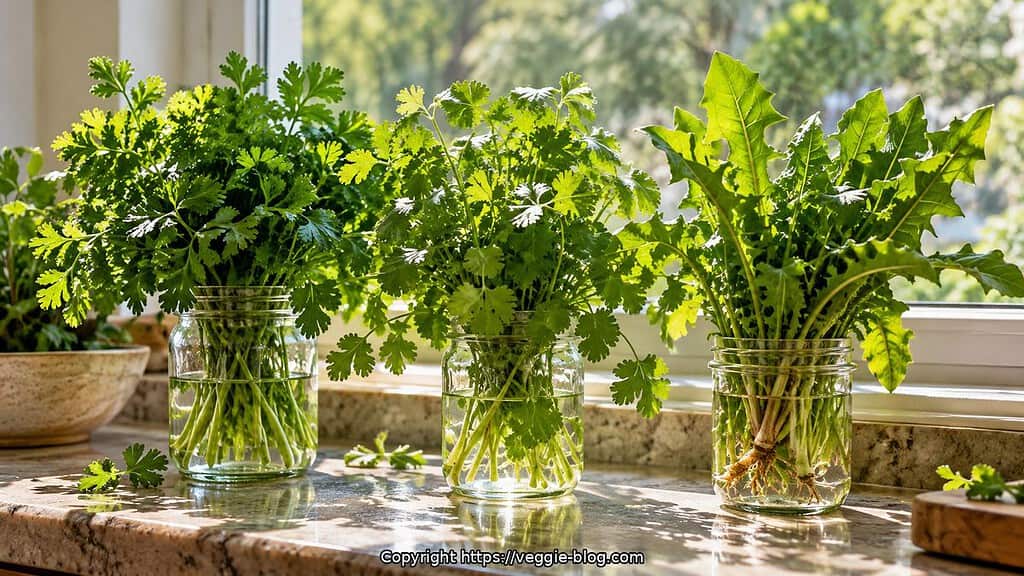
Using herbs as a home remedy for body detox
The idea behind a body detox is that clearing out built-up toxins helps your body work better and gives you more energy. Some people turn to herbs to do it. Before you try, it helps to know what is really known. Your liver, kidneys, intestines and lungs already remove waste around the clock. The US National Center for Complementary and Integrative Health notes that there is no compelling evidence that detox diets or products remove toxins, and that some detox programs can be unsafe. Herbs are not the answer, but a few can be used with care for specific purposes.
What should you do first?
The best way to help your body is to limit what it has to cope with. A good start is to cut back on refined sugar, caffeine, alcohol, tobacco, recreational drugs and household chemicals. Eat whole, fresh foods, exercise daily and drink enough water. Change gradually, because your body adjusts more easily to slow changes than to drastic ones, and detox is a continuing habit rather than a one-time step.
What do the common detox herbs really do?
Psyllium seeds and husks are rich in soluble fiber. They absorb water and swell, which makes stool bulkier and easier to pass, so they work as a gentle, bulk-forming laxative. Psyllium can also modestly lower LDL cholesterol. Always take it with a full glass of water. The idea that its gel “absorbs toxins” is not supported by evidence.
Cascara sagrada and alder buckthorn are stimulant laxatives. In 2002 the US Food and Drug Administration removed cascara sagrada from over-the-counter laxative products because its safety and effectiveness had not been shown. Long-term use can cause dehydration and low levels of minerals such as potassium. Alder buckthorn bark must be aged for at least a year or heat-treated before use, because fresh bark can cause severe vomiting. Neither is suitable for long-term use, children or pregnancy.
Juniper berries, nettle and burdock are used as mild diuretics, meaning that they increase urination. Juniper should be avoided in pregnancy and by people with kidney disease, and heavy or long-term use can irritate the kidneys. There is no good evidence that burdock removes heavy metals from the body.
Hydrangea root and gravel root (Joe-Pye weed) are traditionally used for bladder and kidney stones. There is no reliable evidence that they dissolve stones. Kidney stones can be very painful and may cause infection or blockage, so see a doctor if you have severe pain, blood in your urine or fever.
Essential oils of basil, cypress, celery, grapefruit, lemon, fennel, rosemary, thyme and patchouli are sometimes said to flush toxins out of the body and stimulate the lymph. There is no evidence for that, and essential oils should not be swallowed, because they can be poisonous. Use them only for aromatherapy or diluted on the skin.
Dandelion root and milk thistle are traditionally called liver herbs. Milk thistle contains silymarin, but the National Center for Complementary and Integrative Health says there is not enough high-quality evidence to draw firm conclusions about its effects. It seems to be well tolerated, with occasional bloating, nausea or gas, although the quality of products varies, and people who are allergic to ragweed and related plants may react to it.
How can you use herbs more safely?
Talk to your doctor or pharmacist first, especially if you take medicine, have liver or kidney disease, or are pregnant or breast-feeding. Buy from a reputable source, start with small amounts and stop if you have side effects. Do not use stimulant laxatives for more than a short time. Remember that herbs support a healthy lifestyle, but they do not cure illness. For more, read our posts on body detox herbs, natural body detox, body cleansing and detox and what to check before you buy detox products.
Leave a Reply