Chakras and Yoga: How Practitioners Work With Them and What Science Says
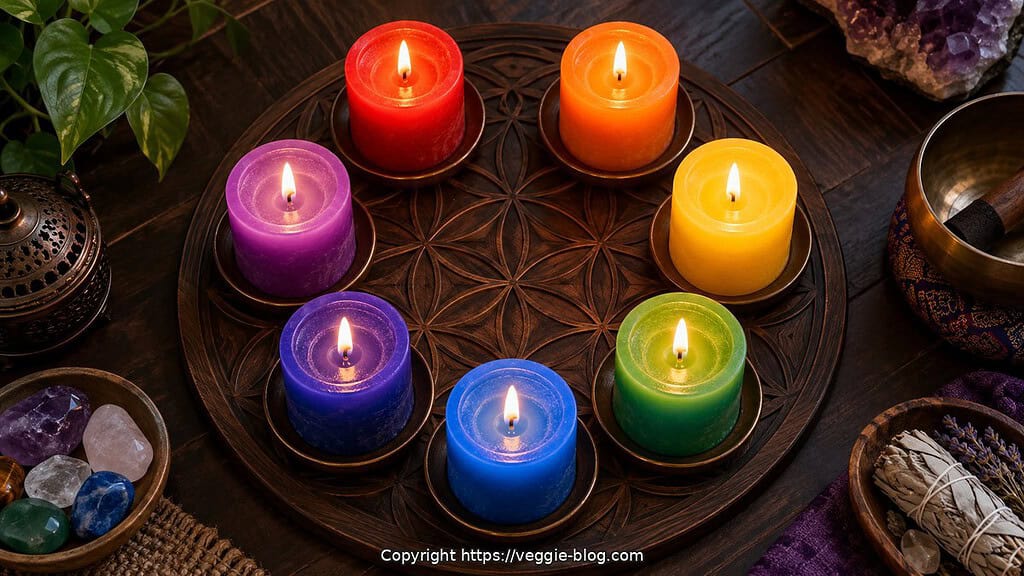
Working with the chakras in yoga
Why do yoga teachers talk about chakras?
In the yoga tradition, the chakras are seven energy centers along the spine, from the base to the crown of the head, and they are said to act like valves or pumps that regulate the flow of energy through the body. When the flow is steady, the tradition says, you feel balanced in body, mind and spirit. When it is blocked or sluggish, some people believe that you feel out of sync, perhaps physically or emotionally. Many teachers use the idea today as a framework to help students focus their attention on different parts of the body. If you are new to the concept, our post on the seven chakras lists their names, locations and meanings.
How do practitioners work with the chakras?
There are three main tools. The first is posture. Many teachers pair certain poses with particular chakras, for example standing poses and forward folds with the root, hip openers with the sacral chakra, and chest-opening backbends with the heart. These pairings are common in modern classes, but they vary from teacher to teacher.
The second is breath and sound. Slow, controlled breathing helps you stay with each area, and some teachers add seed sounds known as bija mantras, such as LAM for the root chakra and YAM for the heart chakra.
The third is meditation. A simple version is to sit comfortably and bring your attention to the base of your spine for a few breaths, then move up through each center in turn, spending a few breaths at each. Some people picture the traditional color of each chakra. Ten minutes is plenty to begin with.
What about kundalini practices?
Kundalini is the energy said to be coiled at the base of the spine, and kundalini yoga uses a mix of breathing, movement and meditation to raise it. Some of the breathing exercises are intense. Learn them from an experienced teacher, and stop if you feel dizzy, panicky or distressed. Meditation is usually considered low-risk, yet a small share of people report unpleasant experiences, according to the US National Center for Complementary and Integrative Health.
Is there scientific evidence for chakras?
No. Chakras are part of a spiritual and philosophical system, and researchers have found no evidence that they exist as physical structures or that “balancing” them treats disease. Yoga itself has been studied, however. The same agency says that research suggests possible benefits for stress management, mood, sleep and balance, and a small benefit for low-back pain. So a chakra-focused practice can be a relaxing way to slow down and pay attention to your body, and if you find meaning in it, there is no harm in that. Just do not use it in place of medical care for a physical or emotional problem.
How should you start?
Pick one short practice and keep it simple: five or ten minutes of quiet breathing and body awareness each day. Take a beginner class if you can, and tell the teacher about any health conditions. If you want to understand where all of this comes from, read our posts on what yoga is, the origins of yoga, and our introduction to yoga postures. Use what helps and leave what does not.
Leave a Reply