Cool Yoga Tricks by Miriam Austin
An easy-to-follow guide that shows how those of us with normal flexibility limitations can experience the benefits of yoga, using everyday objects like walls, chairs and blankets. Alternative yoga routines that help you reap the greatest rewards fromyour yoga practice. As your body becomes more flexible, your mind and attitude will too.
MIRIAM AUSTIN has been a student of yoga since 1985 and has taught for many years. Instructing people with normal physical limitations as well as those with serious injuries and illness, through yoga, Miriam has helped people heal themselves of lupus, arthritis, asthma, and high blood pressure and has helped many find relief from back and neck pain. She is the bestselling author of Yoga for Wimps: Poses for the Flexibly Impaired and Meditation for Wimps: Finding your Balance in an Imperfect World.From the Trade Paperback edition.
Who is the author?
The author is Miriam Austin. The description says she has studied yoga since 1985, has taught for many years, and wrote Yoga for Wimps and Meditation for Wimps. The description also credits her with helping people heal themselves of several conditions. That is her description’s statement and is not confirmed here.
Who is this book written for?
The description speaks to people with normal flexibility limitations. It does not say whether any medical condition needs approval from a doctor first.
What is this book about?
The description calls it an easy-to-follow guide that shows how people with normal flexibility limitations can experience the benefits of yoga using everyday objects such as walls, chairs and blankets.
This summary of the book description is not medical advice.
Do I need to be flexible to start yoga?
No. Flexibility is something yoga tends to build over time rather than something you must bring on day one. The Harvard Health article on yoga describes the aim of a session as challenging yourself without being overwhelmed, with attention staying on the breath. If your breath turns ragged or forced, that is a signal to back off.
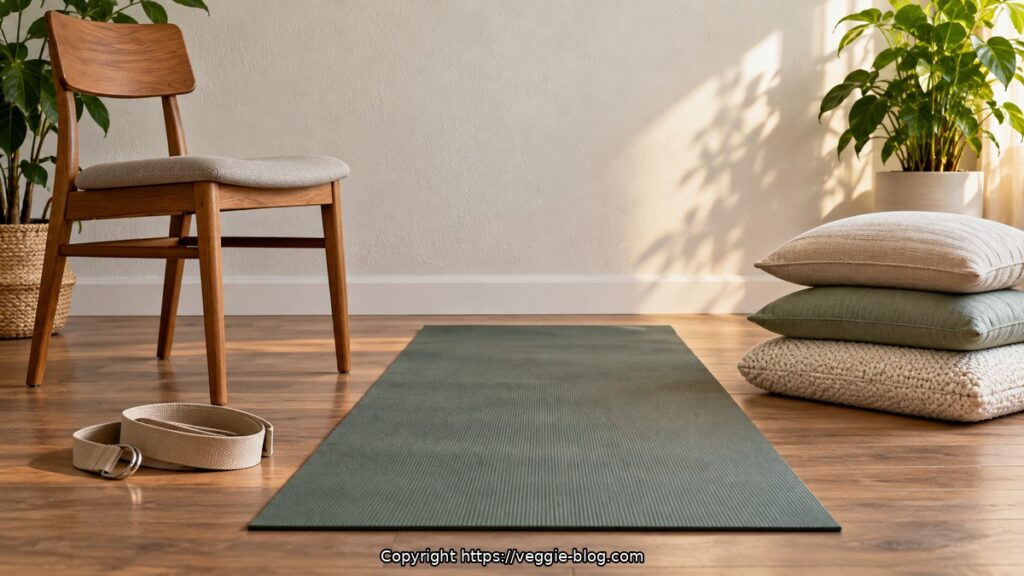
Props can help. A chair can support a seated twist, a wall can steady balance, and a folded blanket can lift the hips in a seated pose. The NIH yoga summary from NCCIH points out that styles range from gentle to demanding, so choose the gentle end when your range of motion is limited.
If you have a joint problem, osteoporosis or recent surgery, ask your doctor which movements to avoid.
Related on this blog: What Is Yoga? and Basic Yoga Postures and Their Variations: Cobra, Bow and Shooting Bow Step by Step
Book: Cool Yoga Tricks by Miriam Austin
View this book on Amazon (affiliate link: we may earn a commission at no cost to you)
Leave a Reply