Eating Right for Your Cholesterol: Cut Back on Fried Food and Cook Smarter
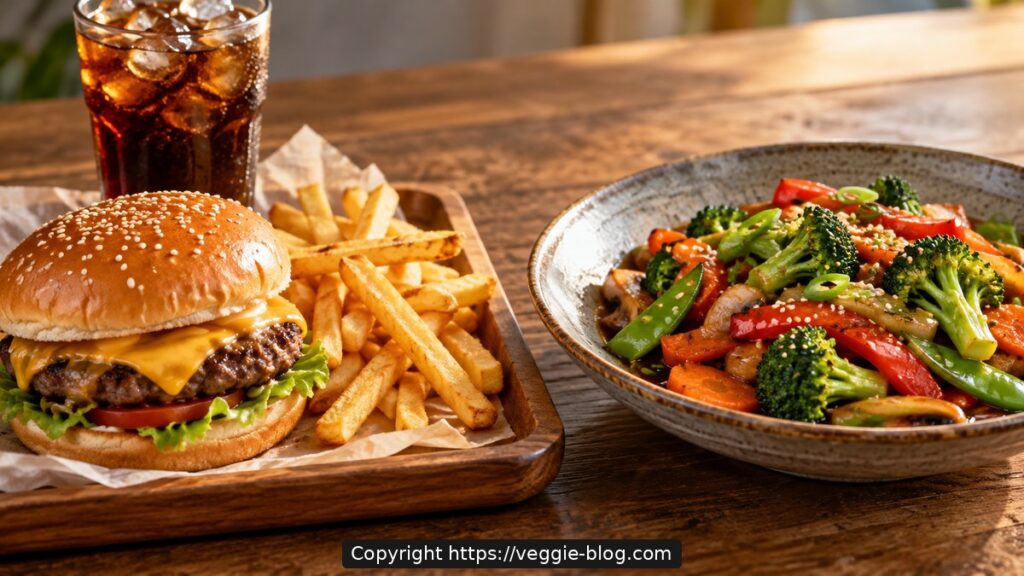
Big portions, fried snacks and fast food have changed how many of us eat, and our arteries pay for it. Too much saturated fat and too many calories lead to high LDL cholesterol, weight gain, high blood pressure and a higher chance of heart disease and stroke. The encouraging part is that most of this can be changed in your own kitchen, one habit at a time.
Do diet and exercise both matter?
Yes, and they work best together. Eating better helps your cholesterol, and regular activity helps it too: the National Heart, Lung, and Blood Institute notes that physical activity can lower LDL and triglycerides and raise HDL, the “good” cholesterol. Adults need at least 150 minutes of moderate activity a week, such as brisk walking, and our post on exercise and cholesterol explains how activity changes your numbers. If you have been inactive or have a heart condition, ask your doctor what level is right for you, and build up gradually. See the NHLBI page on treating high cholesterol for more.
Why eat less fried food?
Fried food, such as chips, fries, fried chicken and fried fish, soaks up oil and adds many calories. The oil itself, if it comes from plants, contains no cholesterol, but the batter, the animal fat and the extra calories all work against you, and frying often goes together with saturated fat. Cooking methods that need little fat are better: boiling, steaming, baking, braising and grilling. Grilled food is fine too. Our post on foods to avoid to lower cholesterol lists more of the usual culprits.
What about meat and poultry?
Fatty meat and the skin on poultry are rich in saturated fat. If you eat meat, choose lean cuts, trim visible fat and take the skin off chicken or turkey. Even better, eat meat less often and replace it with beans, lentils, tofu or fish. Plant foods contain no cholesterol, and they add fiber.
Why are vegetables so useful?
Vegetables have no cholesterol and almost no fat, and they are a good source of fiber, vitamins and minerals. Eat them raw, steamed or lightly sautéed rather than fried or covered in a rich sauce, and try to fill half your plate with them. Oils and creamy dressings can turn a healthy salad into a high-fat dish, so use them sparingly.
Does portion size matter?
It does. Eating a bit less at each meal, and cutting out extra snacks, helps you lose weight, which is closely tied to cholesterol levels. If you do snack, reach for fruit, a few nuts or raw vegetables. For carbohydrates, such as rice, cereal and bread, choose whole-grain versions like brown rice and whole-wheat bread, which give you more fiber than refined ones.
What is a good way to start?
Do not try to change everything in one week. Pick one habit, for example a baked rather than fried dinner three nights a week, and keep it up for a month before you add another. See our example of a day of eating to lower cholesterol to see how this can look in real life, and talk to your doctor or a dietitian if your cholesterol is high. Regular checkups are the only way to know if your changes are working.
Leave a Reply