Which Type of Vegetarian Are You? How to Choose the Diet That Fits Your Life
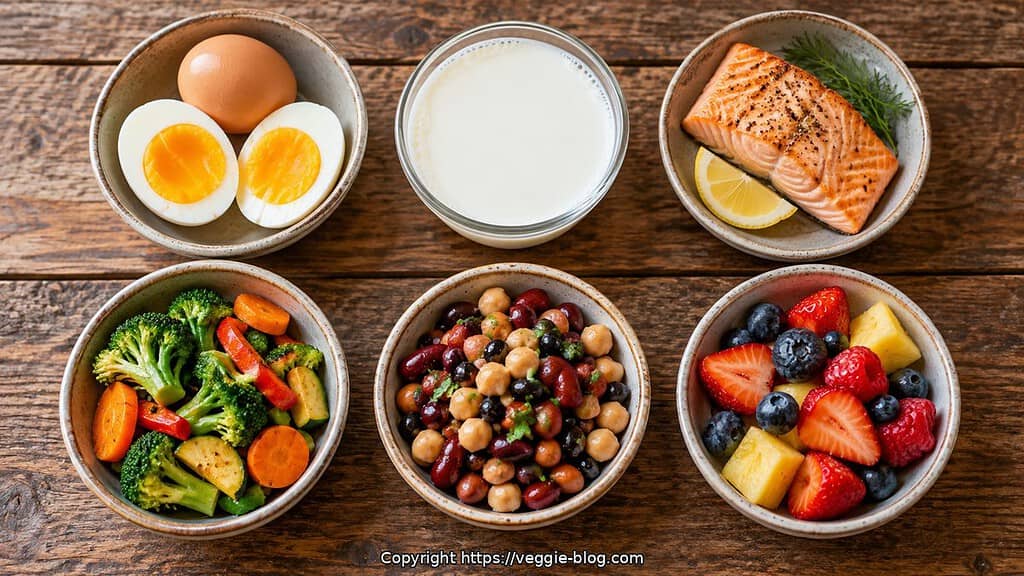
Thinking about eating less meat, but not sure where to begin? If you are asking “which type of vegetarian diet is right for me?”, the most useful answer is not a long list of labels. It is the eating pattern you can enjoy, afford and maintain while meeting your nutritional needs.
Some people are motivated by animal welfare. Others want to improve their eating habits, reduce their environmental impact or make everyday cooking simpler. Your reason matters, but so do the people you share meals with and the foods you actually like.
Start with five questions, not a label
Before choosing a vegetarian diet, think through these practical questions:
- What matters most to me? If avoiding animal use is central to your decision, veganism may feel most consistent with your values. If your first aim is simply to eat fewer animal products, a more flexible approach may be easier to sustain.
- What does my health require? Do you need to manage an allergy, meet higher protein needs or plan meals around a medical condition? Choose an approach that lets you eat enough and get the nutrients you need, rather than one that only sounds healthy.
- How much time and money can I spend? Beans, lentils, oats, rice and seasonal vegetables can make plant-forward meals inexpensive. Specialist substitutes and frequent takeaway meals can raise the cost.
- Who else eats with me? Family meals, school lunches, workplace food and social occasions can affect how practical a particular pattern feels.
- What would I genuinely miss? If you enjoy eggs and yoghurt, you may prefer to keep them at first. If fish is a regular part of your meals, eliminating it immediately may not be your most realistic first step.
If you want the terminology before deciding, see our earlier guide to the different types of vegetarian diets. This article focuses instead on making a choice and getting started.
Which eating pattern fits your priorities?
If you want to start gradually: flexitarian
A flexitarian approach is often the easiest entry point for someone who currently eats meat regularly. You can make plant-based meals your default without promising to avoid meat at every occasion. For example, start with meat-free breakfasts and lunches, or choose three vegetarian dinners each week. Flexitarian eating is not strictly vegetarian, but it can be a useful transition.
If you are happy to eat fish: pescatarian
Pescatarian eating may suit someone who enjoys seafood and wants to leave out meat and poultry. It can work in a household where fish is already familiar, although it is not a fully vegetarian diet. If animal welfare is your main motivation, consider how eating fish fits with that goal rather than assuming the label settles the question.
If you want meat-free meals without changing everything: lacto-ovo vegetarian
For many people, keeping eggs and dairy makes the first transition simpler. Familiar meals such as vegetable omelettes, bean-and-cheese burritos, pasta with vegetables or yoghurt with fruit still fit. It may also be easier to accommodate when cooking for a mixed household. Check cheese and other packaged foods if you are avoiding animal-derived rennet or gelatine.
If avoiding animal-derived foods is the priority: vegan
Vegan eating may be the clearest fit for someone whose motivation is animal welfare or who wants to exclude animal-derived foods altogether. It can also be practical and affordable when based on beans, tofu, lentils, grains, nuts and vegetables. It does, however, require more attention to labels and nutrition, particularly vitamin B12, which needs a reliable source from fortified foods or supplements.
Flexitarian vs pescatarian vs vegan: what makes the decision easier?
Instead of asking which diet is “best”, ask which compromise you are comfortable making. Flexitarian eating offers the most flexibility. Pescatarian eating may make the transition easier for seafood eaters but still includes animals. Vegan eating draws the clearest boundary around animal-derived foods, with more planning involved. A lacto-ovo vegetarian pattern sits between those choices for people who prefer to keep eggs and dairy.
None of these labels automatically guarantees good health. A varied diet with vegetables, fruit, whole grains, pulses and appropriate sources of key nutrients matters much more than the name you use.
Going vegetarian step by step: a four-week starter plan
- Week 1 — keep what you like, change two meals. Make two familiar dinners meat-free: try bean chilli, lentil bolognese, tofu stir-fry or vegetable curry. Notice which meals everyone is happy to repeat.
- Week 2 — find three reliable proteins. Learn simple ways to prepare lentils, chickpeas, tofu, tempeh, eggs or yoghurt, depending on your chosen pattern. Include a satisfying protein source in main meals.
- Week 3 — make shopping easier. Stock a small pantry of beans, grains, frozen vegetables, herbs, nuts and useful sauces. Find two inexpensive lunches you can make without special products.
- Week 4 — review and adjust. Ask what felt easy, what caused stress, what the meals cost and whether you felt satisfied. Keep the changes that work, then decide whether to take another step.
You do not have to progress from flexitarian to vegan on a schedule. Going vegetarian step by step is about creating repeatable habits, not passing a test.
Do not forget the nutrition basics
The NHS advises vegetarians and vegans to plan for variety and pay attention to nutrients such as iron and vitamin B12. For vegan diets, reliable B12, adequate calcium, vitamin D, iodine and other nutrients may require fortified foods or supplements. Include beans and whole grains, and pair plant sources of iron with vitamin-C-rich foods such as peppers, berries or citrus fruit. Consider a registered dietitian if you are pregnant, feeding children, have a medical condition or are making a highly restrictive change.
Useful evidence-based starting points are the NHS vegetarian diet guide and the NHS vegan diet guide.
What if you change your mind?
That is normal. You may start flexitarian, discover you love cooking with beans and later decide to eat fully vegetarian. Or you may aim for vegan meals at home while still working out what is realistic when travelling. Be clear with other people about what you do and do not eat, especially when ordering food, but remember that your diet can evolve as your circumstances change.
The best starting point is one satisfying plant-based meal you will want to cook again. Make it this week, then build from there.
The featured image in this post is an AI-generated illustration.
January 27th, 2008 at 05:04
What about if i only eat chicken and turkey?
No other meats. But lots of vegies.