Hatha Yoga Beyond the Workout: What “Hatha” Means, Its Traditional Aim and How to Practice Safely
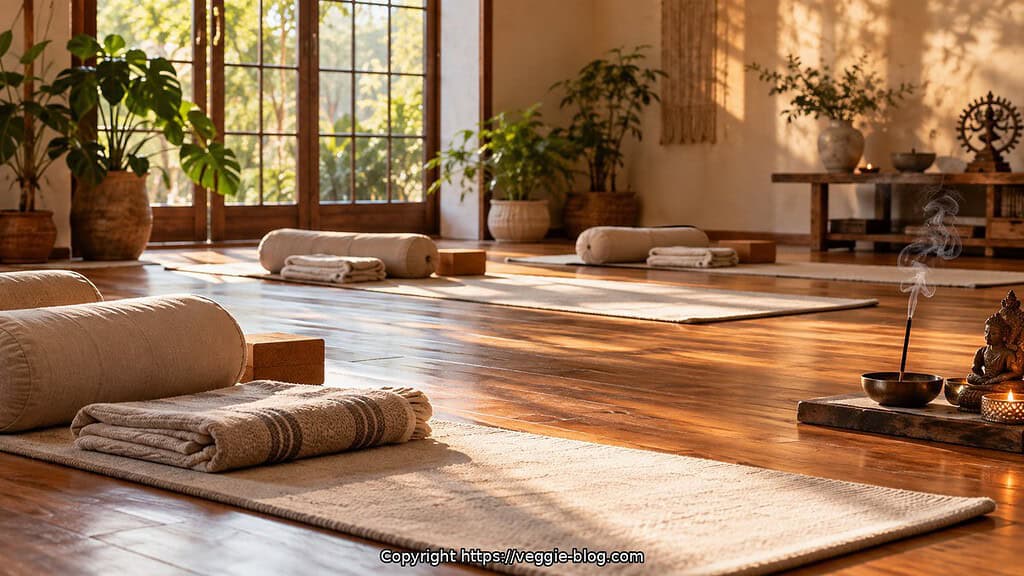
The old version of this post described hatha yoga as an ancient Indian practice that is “more spiritual than physical,” designed to prepare the mind for meditation, and promised a set of 24 poses that has not survived on the page. Another post on this blog, What Is Hatha Yoga?, describes a typical class. This one looks at the other side: what the word means, what the tradition was for and how to practice sensibly today.
What does “hatha” mean?
There are two common explanations. Many modern books say that ha means sun and tha means moon, so hatha yoga unites the two. The scholar Jason Birch, in a paper on the meaning of hatha in early hatha yoga, notes that this sun-and-moon reading is first found in a text from around the fourteenth century, and that other early sources suggest hatha means “force,” in the sense of forceful methods or effort. The two readings can sit side by side as long as the sun-and-moon one is understood as a symbolic interpretation, not the original meaning.
What was hatha yoga for?
The old post said the sages designed it to gain control of the body’s energies, as preparation for meditation. That is close to how the classic manual, the Hatha Yoga Pradipika, presents it. It was compiled in the fifteenth century by Svatmarama, who introduces hatha as a preparatory stage for physical purification before higher meditation, or raja yoga. So the old post is right that the tradition is not only about fitness. But today most hatha classes in the United States are taught as exercise and relaxation, and many people value them for that.
What happens in a modern hatha class?
According to Harvard Health, hatha is a combination of many styles. A class typically begins with breathing exercises (pranayama), then moves through poses (asanas) and ends with a final rest called savasana. The National Center for Complementary and Integrative Health says that yoga in the United States generally emphasizes physical postures, breathing techniques and meditation, and that research suggests it may help with stress, neck pain and headaches, among other things. It does not show that yoga awakens “enlightened consciousness,” which is a traditional spiritual aim, not a health claim.
How should you move through the poses?
The old post gave advice that is still sound. Move smoothly from one pose to the next, like a slow dance. Stay in each pose long enough to settle in, breathe from the diaphragm and not the chest, do not stretch beyond your limit or force the body, and relax into the pose without worrying about doing it perfectly. Over time you should find that you become more flexible. Add one more rule from the safety research: stop if you feel pain, and skip extreme practices such as headstands and forceful breathing until a teacher has shown you how.
Do you need a teacher?
The old post said that hatha yoga is best taught in person, and that drawings and written instructions are only a rudimentary aid. The NCCIH agrees: yoga is generally considered safe for healthy people when done properly under the guidance of a qualified instructor, and learning on your own has been linked to increased risks. Pregnant women, older adults and people with conditions such as knee or hip injuries, severe high blood pressure, balance problems or glaucoma should talk with their health care provider and the instructor first.
How many poses do you need?
The old post claimed that its 24 poses were “all you will ever need” for quieting the mind before meditation. No fixed number is required. A gentle routine of a few poses, breathing and a short rest is a fine start; our guides to yoga postures and styles and a gentle morning routine for beginners show how to begin.
View this book on Amazon (affiliate link: we may earn a commission at no cost to you)
Leave a Reply