Highest Yoga Tantra by Daniel Cozort
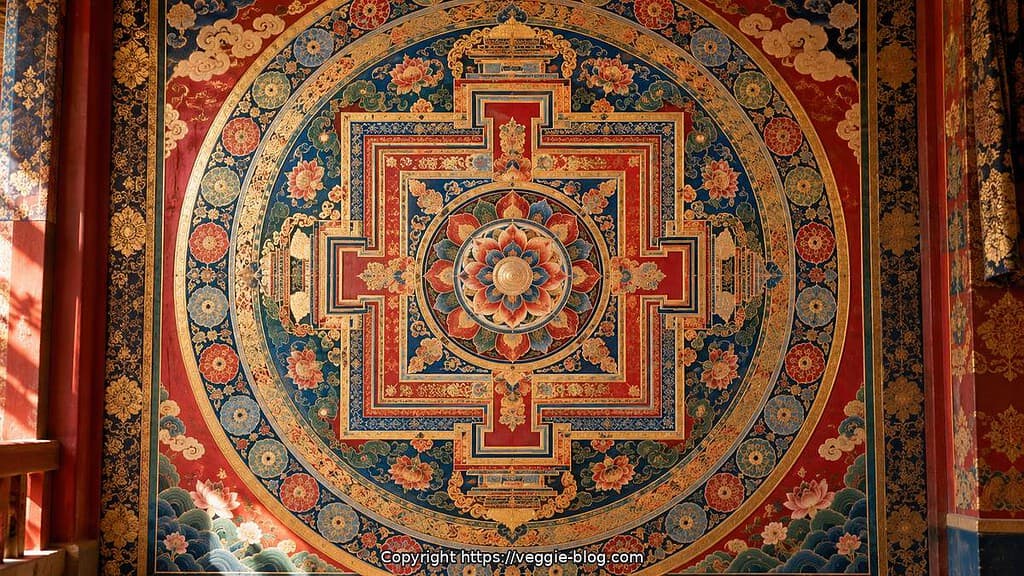
This extraordinary book clearly outlines and discusses the methods for transforming both body and mind through the highest forms of tantric practice. Highest Yoga Tantra is the pinnacle of tantric systems found in the Tibetan Buddhist tradition.
– Part One discusses the practices common to sutra and tantra.
– Part Two presents the generation stage of Highest Yoga Tantra.
– Part Three covers the entirety of the completion stage yogas (i.e., physical isolation, verbal isolation, mental isolation, illusory body, clear light, and union).
– Part Four compares the Kalachakra and Guhyasamaja stages of completion.
What kind of book is Highest Yoga Tantra?
The description says it outlines and discusses methods for transforming body and mind through the highest forms of tantric practice. It describes Highest Yoga Tantra as the pinnacle of tantric systems in the Tibetan Buddhist tradition.
What will I learn from it?
The book has four parts: practices common to sutra and tantra, the generation stage of Highest Yoga Tantra, the whole of the completion stage yogas, and a comparison of the Kalachakra and Guhyasamaja stages of completion.
Who wrote it?
According to the title, the book is by Daniel Cozort.
This summary is based on the book description on the Amazon page.
How do tantric and mindfulness practices differ?
Words such as “tantra” cover different things in different traditions, and a short summary cannot do them justice. In Tibetan Buddhism the term refers to a body of advanced contemplative methods, learned within a lineage and usually after preparatory training.
By contrast, the mindfulness taught in clinics is a short, secular course. The NCCIH meditation page describes mindfulness-based stress reduction as teaching mindful meditation alongside discussion sessions and strategies for applying it to stress. Many techniques began in Eastern traditions, but the form and purpose differ between a monastery and a health program.
A reader should be wary of anyone promising dramatic physical or mental transformation. The same page says that few studies have examined potential harms, so a cautious, supervised approach makes sense. If you have a mental health condition or a history of trauma, talk with a clinician before intensive practice.
More on this blog: Where Did Yoga Come From? Its Meaning, Early Texts and What Scholars Can Say and Patanjali’s Yoga Sutras: The Eight Limbs of Yoga Explained
Book: Highest Yoga Tantra by Daniel Cozort
View this book on Amazon (affiliate link: we may earn a commission at no cost to you)
Leave a Reply