Can You Lower Cholesterol Naturally? What Works, What Is Unproven and When to Add Medicine
The old version of this post said that high cholesterol is a growing problem, that heart disease is “highly preventable,” and that lowering cholesterol naturally is possible through diet, exercise and supplements. That is partly true, and this rewrite keeps the question and checks each part against reliable sources.
Why does cholesterol matter?
MedlinePlus explains that too much cholesterol in your blood can stick to the walls of your arteries and narrow or even block them, which raises your risk of coronary artery disease and other heart diseases. According to the CDC’s National Center for Health Statistics, heart disease was the leading cause of death in the United States in 2023, with 680,981 deaths, or 22.0 percent of all deaths. The old post said heart disease is “highly preventable.” A healthy lifestyle lowers your risk, but it cannot guarantee that you will avoid it, especially if your genes or other conditions are involved.
Which natural steps have good evidence?
The National Heart, Lung, and Blood Institute lists these lifestyle changes for lowering LDL (“bad”) cholesterol:
Eat heart-healthy foods, such as in the Therapeutic Lifestyle Changes (TLC) and DASH eating plans, which limit saturated fat and favor whole grains, fruits, vegetables and nuts. Get regular physical activity, which can lower LDL and triglycerides and raise HDL (“good”) cholesterol. Aim for a healthy weight, because losing only 3 to 5 percent of your body weight can lower LDL and raise HDL. Manage stress, quit smoking, sleep 7 to 9 hours a night and limit alcohol. This matches the old post’s advice on diet, exercise and quitting smoking, and adds weight, sleep and stress.
What about the foods the old post named?
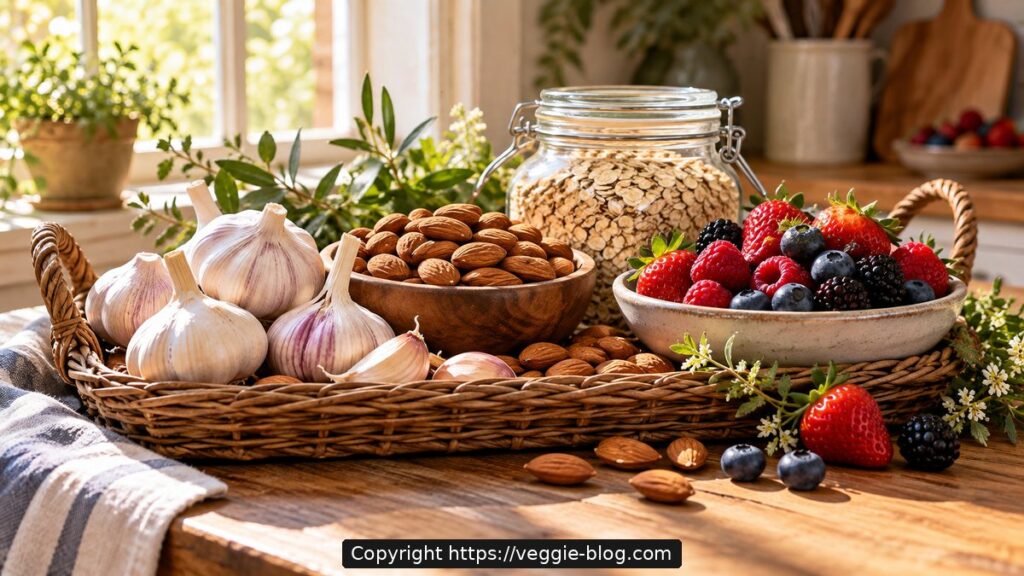
The old post recommended soy products, vegetables, fruit and high-fiber foods. MedlinePlus agrees that soluble fiber helps prevent your digestive tract from absorbing cholesterol, and suggests 10 to 25 grams a day from foods such as oatmeal, oat bran, apples, oranges, pears, beans and lentils. It also recommends keeping saturated fat below 7 percent of your daily calories. For a food-by-food guide, see eating to lower cholesterol with oats, fruit, beans and healthy fats.
Do niacin and lecithin work?
The old post said B-complex vitamins, niacin in particular, and lecithin can lower cholesterol. This is the weakest part of the old text. Niacin in doses high enough to affect cholesterol is a drug-level dose and should be used only under a doctor’s supervision, and I could not find solid evidence that lecithin supplements lower cholesterol. Our post on cholesterol, vitamins and drugs looks at the evidence for both.
When is medicine needed?
The old post said drugs are mostly for high-risk patients. The NHLBI puts it differently: your provider may recommend lifestyle changes and medicines, and the plan depends on your cholesterol levels, your risk of heart disease, other medical conditions and your lifestyle. Statins are the most common medicine and, according to the NHLBI, lower the risk of heart attack and stroke in people with high LDL cholesterol. If you have a strong family history of high cholesterol, lifestyle changes may not be enough on their own. Never stop a prescribed medicine without talking to your provider.
What should you do next?
Ask for a cholesterol test and learn what the numbers mean in understanding your cholesterol numbers. Add exercise and cholesterol to your routine, and use the CDC’s data brief on U.S. deaths in 2023 as a reminder of why it matters.
Leave a Reply