Cholesterol, Vitamins and Drugs: What Statins Do and Whether Niacin or Lecithin Help
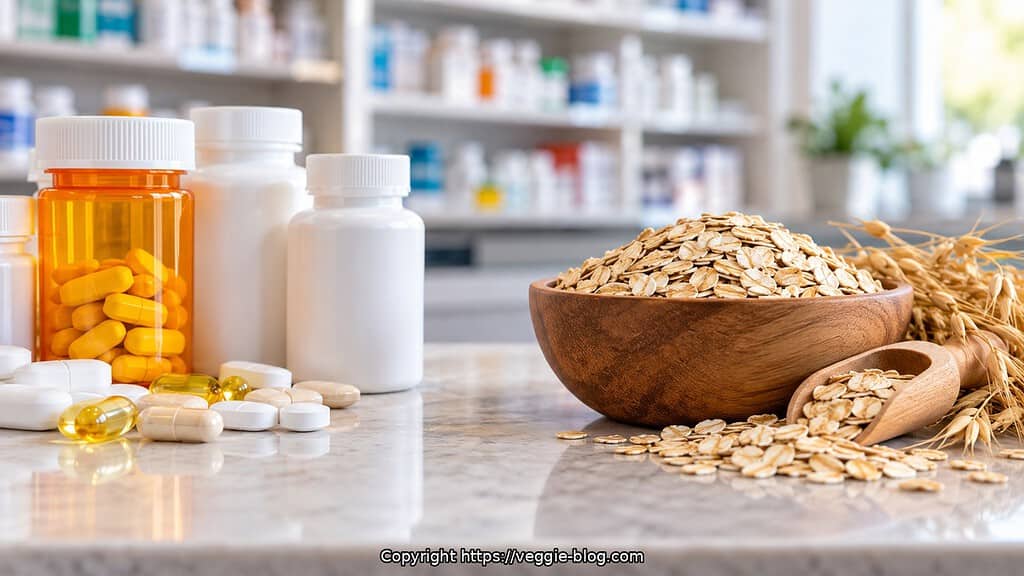
Medicines and vitamins are often mentioned in the same breath when it comes to lowering cholesterol. They are very different. Prescription drugs have been tested in large trials, while many supplements have not. Here is what is known about each, so that you can ask better questions at your next appointment.
How do statins work?
Statins are the medicines most often used to treat high cholesterol. They reduce the amount of cholesterol made in the liver. The NHLBI says that studies have shown that statins lower the risk of heart attack and stroke in people with high LDL. The NHLBI adds that statins usually do not cause side effects, but they may raise the risk of diabetes, mainly in people who are already at high risk of it. Your doctor will weigh the benefits and risks for you. For more, see when lifestyle is enough and when medicine helps.
What are bile acid sequestrants?
These are another type of cholesterol medicine. They keep bile acids, which help digest fats and oils, from being absorbed into the body, and that lowers LDL cholesterol. They may be prescribed if you cannot take statins or if statins alone are not lowering your cholesterol enough. According to the NHLBI, they may cause diarrhea, make some other medicines less effective or raise triglyceride levels.
Does niacin lower cholesterol?
Niacin, also called vitamin B3, can do so, but only in very large doses. The NIH Office of Dietary Supplements says that doses more than 100 times the recommended daily amount, taken for months or years, can raise HDL by 10 to 30 percent and lower LDL by 10 to 25 percent. But in the largest trial to date, which included 25,673 adults with cardiovascular disease, adding extended-release niacin to statin treatment did not significantly reduce major vascular events, and the niacin group had more diabetes, digestive problems and skin rashes. Large doses can also cause flushing, itching, nausea, low blood pressure, raised blood sugar, blurred vision and, over months or years, liver damage. Experts do not agree on its value, and it is not something to start on your own. If a doctor prescribes it, the dose is supervised. For everyday amounts of vitamins, see getting the right amount of vitamins.
What about lecithin, vitamin C and vitamin E?
Lecithin is sold as a supplement that is said to help disperse fat and cholesterol in the body. The studies I could find on lecithin and cholesterol are small and mixed, and it is not a standard treatment, so it is not something to rely on. Vitamins C and E are antioxidants, and it was once hoped that they would protect LDL from damage and prevent heart disease. In practice, large trials have been disappointing. The Office of Dietary Supplements says that the HOPE and HOPE-TOO trials provide compelling evidence that moderately high doses of vitamin E do not reduce serious cardiovascular events, and that most trials have not found conclusive evidence that vitamin C supplements protect against heart disease. Fruits and vegetables, which contain these vitamins together with fiber and other nutrients, are associated with a lower risk of heart disease, and that is the reason to eat more of them.
What is the safest approach?
Start with food: more fiber, fewer saturated fats, regular activity and a healthy weight. Have your cholesterol measured and ask your doctor whether you need medicine, and if so, which type. Tell your doctor and pharmacist about every vitamin and supplement you take, because some can interact with medicines. Our guides to what you can do to lower your cholesterol and vitamin C are a good place to begin.
Leave a Reply