Vitamin B3 (Niacin): What It Does, Where to Find It and Why High Doses Need a Doctor
Niacin, also called vitamin B3, is one of the eight B vitamins. Most people never think about it, because it is found in so many everyday foods and added to bread and breakfast cereal. It is worth understanding, though, because high-dose niacin supplements are sold with big promises and can cause side effects.
What does niacin do?
Niacin is water-soluble, which means the body does not store much of it. It is converted into a substance called NAD, which more than 400 enzymes in the body use to turn carbohydrates, fats and protein into energy. It also helps keep the digestive tract, skin and nervous system working. The Office of Dietary Supplements of the National Institutes of Health describes this in its niacin fact sheet.
How much do you need?
The recommended daily amount is 16 mg for adult men and 14 mg for adult women, and 18 mg and 17 mg during pregnancy and breastfeeding. Most people in the United States get more than that from food alone: the average intake in adult men is about 31 mg a day and in women about 21 mg. Severe deficiency causes a disease called pellagra, with a rash on skin exposed to sun, digestive problems and, if untreated, confusion. It is uncommon in industrialized countries and mostly limited to people who live in poverty and eat very limited diets.
Which foods contain it?
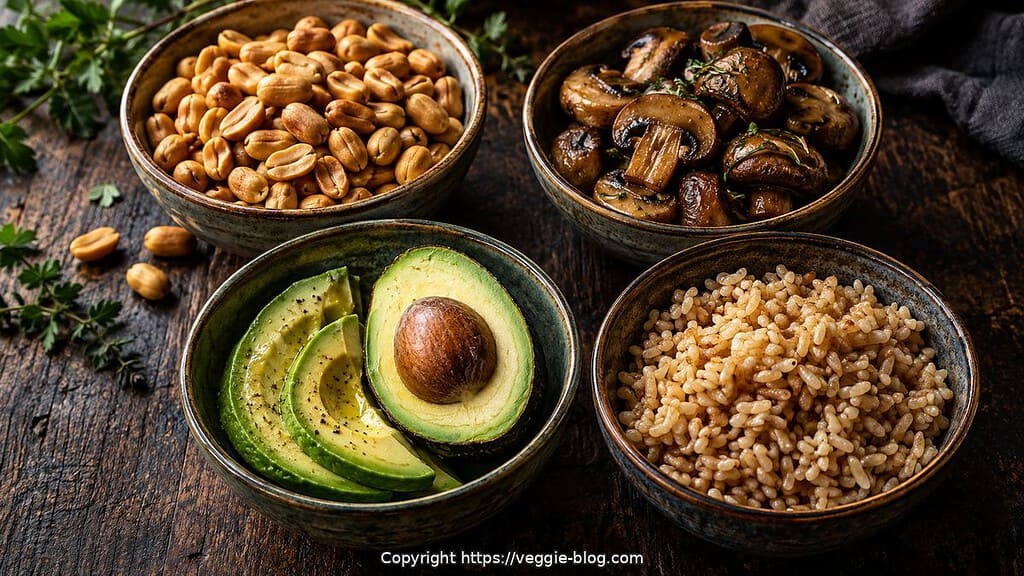
Animal foods such as poultry, beef and fish provide about 5 to 10 mg per serving, and plant foods such as nuts, legumes and grains about 2 to 5 mg, so vegetarians have plenty of sources too. A cup of cooked brown rice has 5.2 mg, an ounce of dry-roasted peanuts 4.2 mg, a serving of breakfast cereal fortified with 25 percent of the daily value 4.0 mg, a baked potato or a cup of enriched white rice 2.3 mg each, and a slice of whole wheat bread 1.4 mg. Sunflower seeds, lentils and edamame add smaller amounts. In addition, the body makes some niacin from tryptophan, an amino acid found in protein foods. A varied diet with whole grains, legumes and nuts easily covers your needs. See our post on getting the right amount of vitamins for more.
Does niacin lower cholesterol?
Very high doses of one form, nicotinic acid, do change blood fats: more than 100 times the RDA, taken for months or years, can raise HDL by 10 to 30 percent and lower LDL by 10 to 25 percent. But the NIH notes that experts do not agree on its value for heart disease, given the side effects. The largest trial to date found that adding it to statin treatment did not significantly reduce major vascular events. This is different from the niacin in food or in a multivitamin, which does not act on cholesterol in this way. If you are interested in lowering cholesterol, begin with the steps in our guide to when lifestyle is enough and when medicine helps.
What are the risks of too much?
No adverse effects have been reported from the niacin naturally present in food. Supplements are a different matter. The upper limit for adults is 35 mg a day from supplements and fortified foods. Thirty to 50 mg or more of nicotinic acid typically causes flushing: the face, arms and chest turn red, with burning, tingling or itching. At doses of 1,000 to 3,000 mg a day, effects can include low blood pressure, nausea, heartburn, impaired glucose tolerance and blurred vision, and over months or years, liver damage. Nicotinamide, another form, does not cause flushing. Products labeled “flush free” contain inositol hexanicotinate, which on average is absorbed about 30 percent less well.
So should you take it?
Most people do not need a niacin supplement. The NIH says that most people in the United States consume more than the RDA, and the average adult intake from food is 31.4 mg a day in men and 21.3 mg in women. If you think you are not getting enough, or you want to take a high dose for any reason, speak to your doctor first. They can check for interactions with other medicines. Our posts on vitamins and your health and vitamin C explain how to decide about other vitamins.
Leave a Reply