Is Vegetarianism Good for the Environment? What Livestock Means for Climate, Land and Water
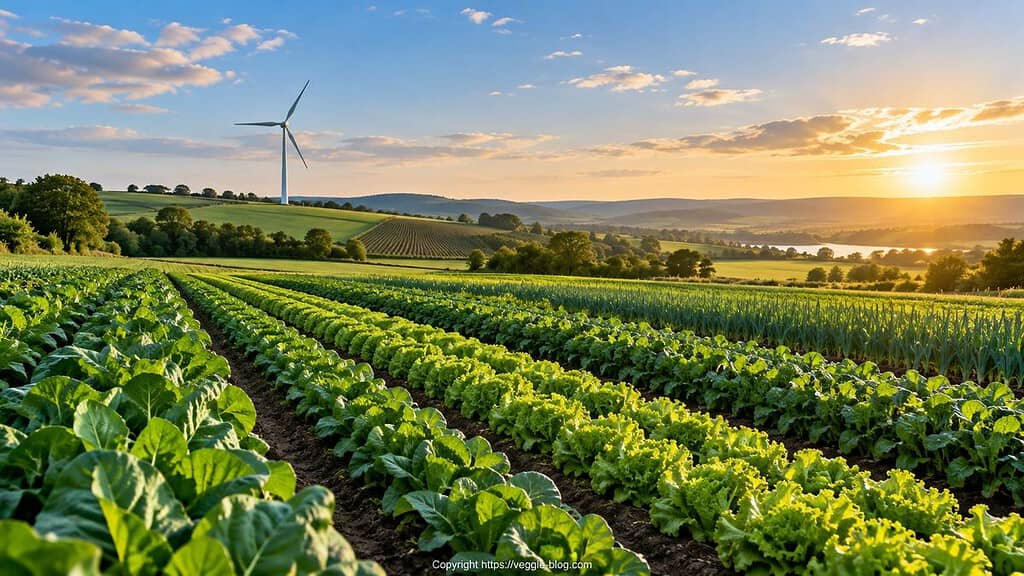
The original post pointed to an article arguing that raising and feeding animals for meat is taking a toll on the planet, including water pollution, air pollution and land degradation. I still think that is a fair summary, and here are the numbers behind it.
How much do livestock contribute to climate change?
The UN Food and Agriculture Organization (FAO) estimated that livestock supply chains cause 14.5 percent of all human-caused greenhouse gas emissions, about 7.1 gigatonnes of CO2 equivalent a year. The main sources are the production and processing of animal feed (45 percent), gases from cattle digestion (39 percent) and manure (10 percent). Beef and cattle milk account for most of it (41 and 20 percent of the sector’s emissions). The figure is for 2005, so it is dated, but it is still the standard reference.
What about land and water?
A widely cited 2018 study in the journal Science by Joseph Poore and Thomas Nemecek of Oxford looked at 38,700 farms and estimated what would happen if the world moved to an animal-free diet. In their model, land used for food would fall by 76 percent and food’s greenhouse gas emissions by 49 percent. They also estimated that acidification (which damages soils and ecosystems) would fall by 50 percent and eutrophication, which is the nutrient pollution that harms rivers and coastal water, by 49 percent. These are modeled figures for a hypothetical worldwide diet change, not predictions for one person’s choices.
Does a vegetarian diet help the planet?
A smaller switch counts too. The authors found that the impacts of even the lowest-impact animal products typically exceed those of vegetable substitutes, so eating less meat and dairy lowers your footprint even if you are not fully vegetarian. The FAO adds that the livestock sector could cut its own emissions by as much as 30 percent with wider use of existing best practices, so both farming methods and diet matter.
What can you do?
Add more meat-free days, plan meals to avoid waste, and choose beans, lentils and tofu as your main protein. If you are thinking of cutting out animal products entirely, our guide to the main types of vegetarian and vegan diets is a good place to start.
Leave a Reply