What Is in a Weight Loss Diet Pill? Common Ingredients and the Evidence
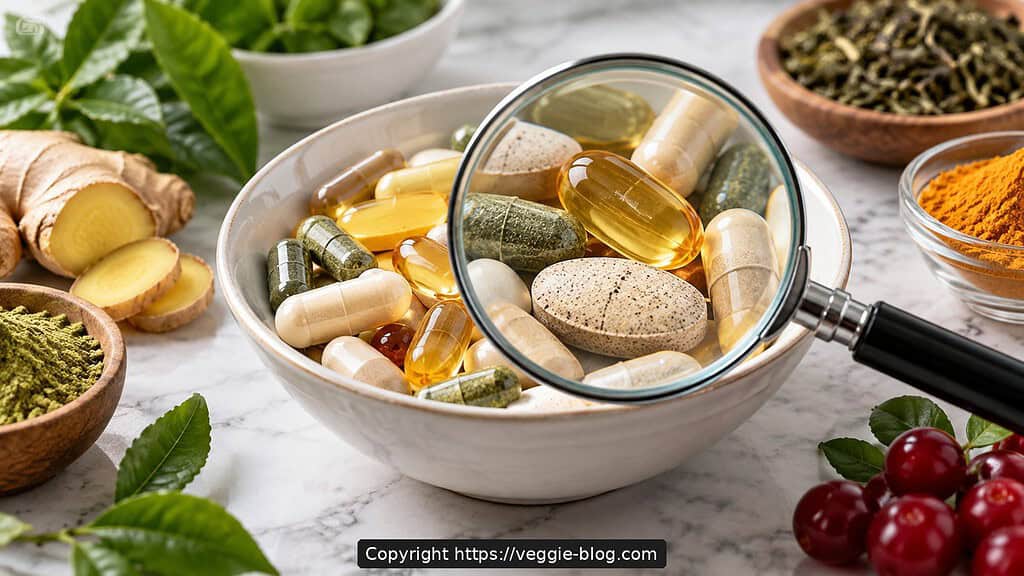
What is in a weight loss diet pill?
Exercise and dieting take effort, so it is no surprise that many people are tempted by an easier way. The advertisements for diet pills promise that their products will melt fat away without much work, and the market is huge. According to the National Institutes of Health, more than two-thirds of adults in the United States are overweight or have obesity.
The big questions are whether these pills really work, whether they help you keep weight off, and what is actually inside them.
Do diet pills really work?
The honest answer is: barely, if at all. The NIH Office of Dietary Supplements reviewed the common ingredients and concluded that the evidence that weight loss supplements work is inconclusive and unconvincing, and that the products can be costly. Even where there is an effect, it tends to be small, and phrases such as “clinically proven” on a label should not be taken at face value.
What ingredients are common?
Labels are full of unfamiliar names. Here are the groups mentioned most often in marketing, and what is known about them.
Ingredients said to boost metabolism include green tea extract, L-carnitine and alpha-lipoic acid. Green tea may have a modest effect on body weight, but green tea extract has been linked to liver problems in some people. An analysis of nine trials found that people who took carnitine lost, on average, about 1.3 kilograms (about 3 pounds) more than those who took a placebo. Research on the other ingredients is limited.
Ingredients meant to curb your appetite include fibers such as glucomannan and guar gum, which swell in the gut so that you feel full. In studies they had little or no effect on body weight, and glucomannan has raised safety concerns. Caffeine and other stimulants can reduce hunger a little, but they can also make you jittery and raise your heart rate.
Ingredients called calorie or carbohydrate blockers include white kidney bean extract (Phaseolus vulgaris), which interferes with an enzyme called alpha-amylase that breaks down starch. It may have a modest effect on weight. Chitosan, made from shellfish shells, is said to bind fat. In one study, the fat it trapped would add up to a loss of only one pound of body fat in about seven months, and people with a shellfish allergy could react to it.
Some products advertise “lipotropic” ingredients such as vitamin C, chitosan, alpha-lipoic acid and hops extract that supposedly sweep fat out of the body. That is a marketing word, and I found no good evidence that these ingredients do so.
Finally, some pills contain diuretics. These make you lose water, not fat, and they can cause dehydration.
Why is “clinically proven” a warning sign?
Supplements are not approved by the FDA before they are sold, and the manufacturer decides what the label says. Some weight loss supplements have turned out to contain hidden prescription drugs. If a label promises quick, easy loss, be skeptical. Check the claim against a source such as the NIH fact sheets rather than the seller’s website.
What is a better approach?
No pill replaces a healthy way of eating and regular activity. If you want help, talk to a doctor about safe options. Our guide to what to know about diet pills covers how to use them more safely and who should avoid them, and our post on whether weight loss tablets are safe lists questions to ask. For approved medicines, see our post on tablets to help with weight loss. And for everyday habits that work, read our weight loss tips.
Leave a Reply