What to Know About Diet Pills: Types, Safety and Who Should Avoid Them
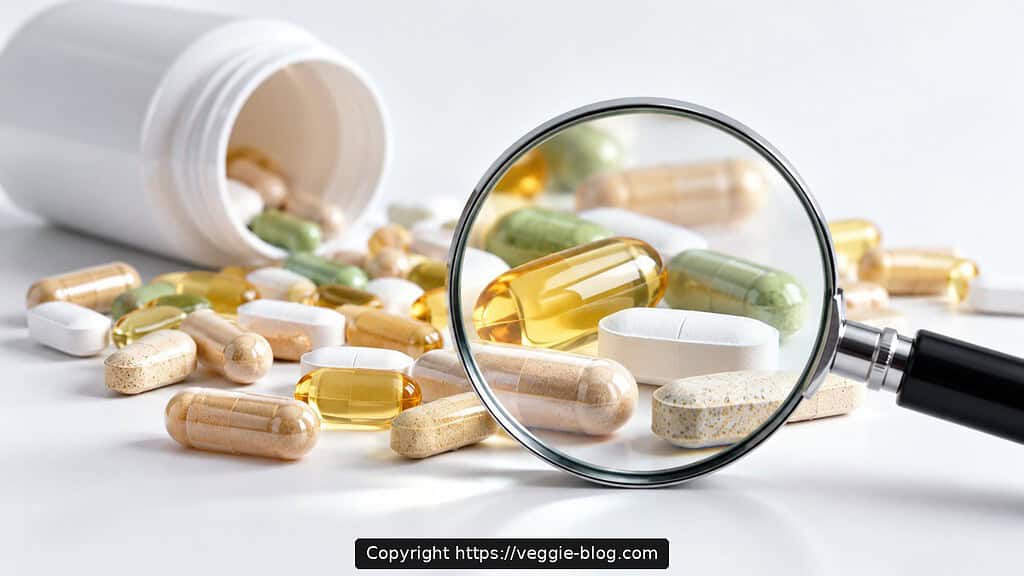
What there is to know about diet pills
Diet pills come in many forms and with many different ingredients. One thing is certain: never use them as a substitute for cutting calories without your doctor’s advice. If you and your doctor decide that a diet pill is right for you, a few simple steps make it safer.
How should you take diet pills safely?
Take the pill whole with a full glass of water, as the label says, and do not dissolve it in drinks or soup. Some diet pills have a diuretic effect, which makes you urinate more often and can lead to dehydration. Drink plenty of water through the day to protect yourself.
Take only the recommended dose. Taking more than the label says will not make you lose weight faster, and it raises the risk of side effects. Follow the instructions given by your doctor, dietitian or pharmacist and do not rely only on what is printed on the box. Remember, too, that a pill can only support a diet plan. It does not replace one.
Pay attention to your heart. If you notice a racing or pounding heartbeat, chest pain, dizziness or fainting, stop taking the pill and call your doctor. A resting heart rate above 100 beats per minute is considered fast.
Finally, ask how long you should take the pill. Products are not meant to be used indefinitely. With prescription weight loss medicines, the National Institute of Diabetes and Digestive and Kidney Diseases says your doctor will probably advise stopping if you have not lost at least 5% of your starting weight after 12 weeks on the full dose.
What are the two kinds of diet pills?
Prescription diet pills are drugs regulated by the US Food and Drug Administration. Their side effects are monitored, and they are prescribed in set doses. One of the best known is orlistat, sold as Xenical, which is approved for long-term use. It reduces the amount of fat your body absorbs, and its side effects include diarrhea and oily or sudden bowel movements, which is why users are advised to follow a low-fat diet.
Over-the-counter products are a mixed group. A lower-dose form of orlistat, called Alli, is sold without a prescription and is FDA-approved. Most other over-the-counter diet pills, however, are dietary supplements, and supplements do not need FDA approval before they are sold. Some have been found to contain hidden drugs, and some have caused serious harm. In 2000 the FDA asked manufacturers to stop selling products that contained phenylpropanolamine, a stimulant that was once common in diet pills, after it was linked to a higher risk of stroke.
Does natural mean safe?
No. Not everything that comes from a plant is harmless. A classic example is ma huang, the herb that is a source of ephedrine, a strong stimulant. Supplements containing ephedrine alkaloids were banned in the United States in 2004 because of safety concerns. Always check the ingredients, and ask a pharmacist about anything labeled “natural” or “herbal”.
Who should avoid diet pills?
Check with a doctor first if you have, or have had, prostate problems, thyroid disease, a serious mental illness, high blood pressure or heart problems. The same applies to anyone who has had seizures or a stroke. Do not take diet pills together with cold medicines, especially those with decongestants, unless a pharmacist has said it is safe. Stimulant-type diet pills can cause chest pain, anxiety, trouble sleeping and low mood.
As a general rule, do not use diet pills if you are pregnant or think you might be, and if you are sensitive to sulfites or the food coloring tartrazine, check the label. Anyone under 18 or over 60 should talk to a doctor before taking any product for weight loss, especially one based on stimulants that is meant to replace exercise.
What is a better plan?
Most people do better with changes they can keep up. To see what is in many of these products, read our post on what is in a weight loss diet pill. For prescription options, see our post on tablets to help with weight loss. Our weight loss tips and our post on natural weight loss explain how to make progress with food and movement.
Leave a Reply