Yoga and Lower Back Pain for Computer Users: What the Research Says and How to Protect Your Back
Hours at a desk are hard on the back. If you work at a computer and often feel an ache in your lower back, you are in good company. The older version of this article made big promises about yoga postures and even told readers to practice “to the point where mild pain is felt.” That is not advice to follow. This updated guide explains what we know about yoga and back pain, how to look after your back at home, and when to see a doctor.
How common is low-back pain?
According to the National Center for Complementary and Integrative Health, about 80 percent of adults have low-back pain at some point in their lives. It is the most common cause of job-related disability and a leading reason for missed work. Most episodes last only a short time. Causes range from a strained muscle to problems with the discs and joints of the spine, and sometimes no specific cause is found.
Can yoga help?
It may help a little. NCCIH reports that a 2022 review of 21 studies, with 2,223 participants, found that yoga is slightly better than no exercise for low-back pain, although the small difference may not matter much to patients. An earlier 2017 review of 12 studies found small to moderate improvements in back-related function after three and six months compared with no exercise, and it was unclear whether yoga does better than other exercise. The American College of Physicians’ 2017 guideline recommends nondrug treatments first for chronic low-back pain, and yoga is one of several options it suggests. So yoga is a reasonable choice, but it does not cure back pain, and no posture “fixes” the spine.
What should you do when your back hurts?
MedlinePlus says a common myth is that you need to rest and avoid activity for a long time, and that health care providers do not recommend bed rest. If you have no warning signs, stay as active as you can. Stop normal activity for only the first few days, use ice for the first 48 to 72 hours and then heat, and avoid heavy lifting and twisting for the first six weeks. It also says not to exercise in the days right after the pain starts and to begin again slowly after two to three weeks, preferably with a physical therapist’s help. If you lie on your back, a pillow or rolled towel under your knees can ease pressure, and if you lie on your side, a pillow between your legs does the same. Read the full advice in MedlinePlus’s guide to taking care of your back at home.
How should you sit at the computer?
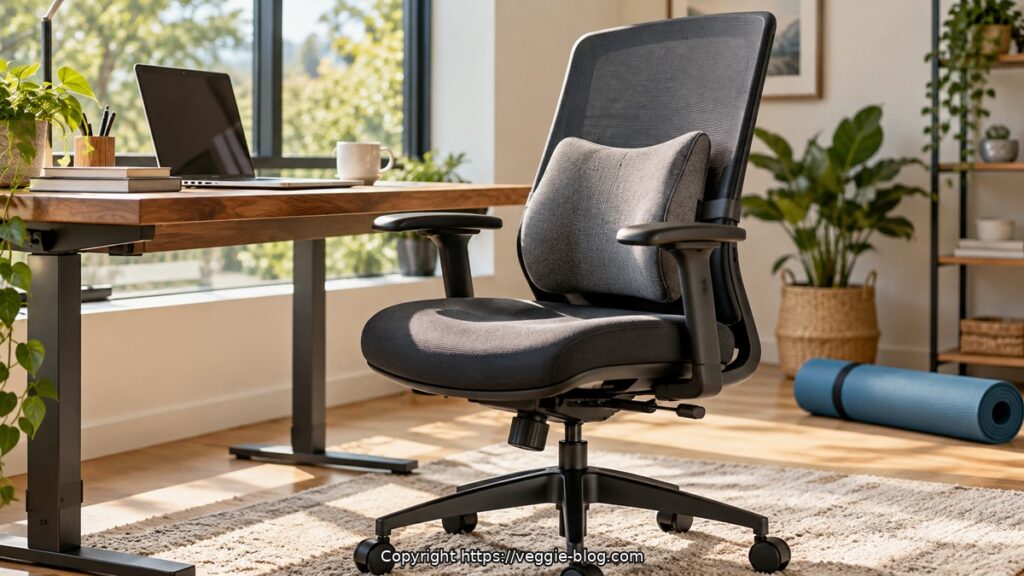
The same MedlinePlus guide gives practical rules. Use a chair with a straight back and an adjustable seat and back, armrests and a swivel seat. Put a stool under your feet so your knees are higher than your hips, and place a small pillow or rolled towel behind your lower back. Avoid high heels, and on long drives stop and walk around every hour. The same idea works at a desk: get up and move regularly. Our posts on the triangle pose for computer users and everyday activities that count as exercise show easy ways to break up the day.
When is back pain a warning sign?
The National Institute of Arthritis and Musculoskeletal and Skin Diseases says to see a doctor if your pain does not improve after a few weeks, or if it comes with numbness or tingling, severe pain that does not improve with medication, pain after a fall or injury, trouble urinating, weakness, pain or numbness in the legs, fever, or weight loss that you did not intend. Do not start any new exercise program, including yoga, until you know the cause.
What about the video below?
At the end of this post is a video titled “Sandy Blaine: Yoga for Computer Users.” I have not reviewed its movements, so follow it only if you feel comfortable, move slowly, and stop at any pain. NCCIH says people with lumbar spine disease and other conditions may need to change or avoid some poses, so ask your health care provider or a qualified instructor first. If you are new to the practice, start with what yoga is and the basic yoga postures.
Leave a Reply