Herbal Weight Loss: What Herbal Options Can and Cannot Do
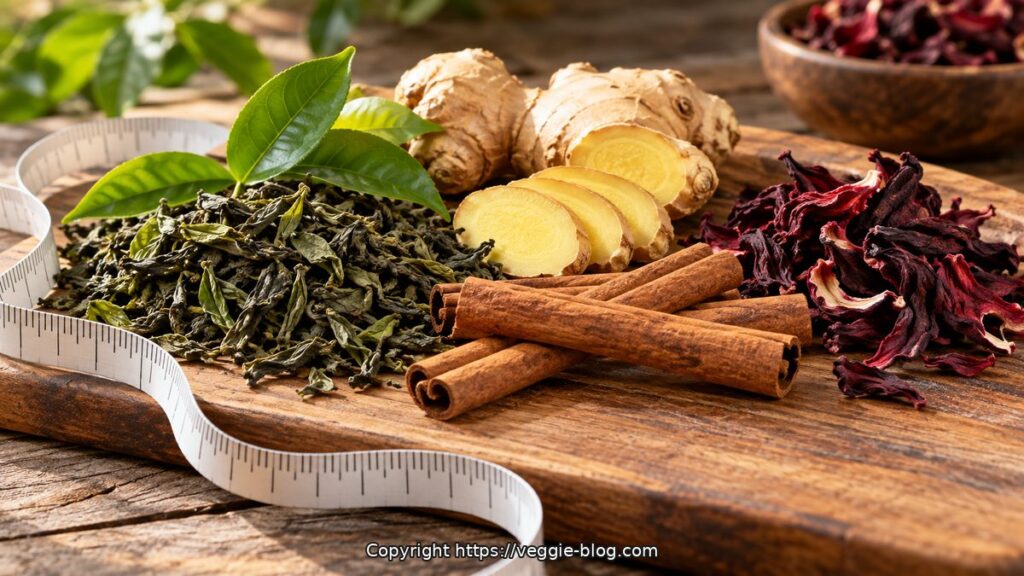
Losing weight? Go herbal
These days there is a lot of interest in losing weight. Being lighter can lead to a healthier lifestyle and makes everyday movement easier. The choices are huge: exercise programs, machines, supplements, diet drinks, pills and even soaps that claim to help you lose weight while you bathe.
One alternative that many people consider is to go herbal. Herbal products are often seen as a gentler, more natural way to lose weight. Their effects tend to be subtler, so results, if any, come slowly. Natural does not automatically mean safe or effective, though, so here is what to know.
Are herbal weight loss products safe?
Many of them are sold as dietary supplements, and in the United States supplements do not need approval before they are sold. You can find a lot of herbal pills and teas on the Internet and in shops. Some claim to be safe because they are herbal, but some have side effects, and many have not been studied properly. The NIH Office of Dietary Supplements concludes that the evidence that weight loss supplements work is inconclusive and unconvincing. Here are some ingredients to be careful with.
Senna is an herbal laxative found in many slimming teas. It works by stimulating the colon, and the downside is that it can cause cramps, diarrhea and dehydration. A laxative makes you lose water and stool, not body fat, and regular use may make some people dependent on it. See our post on the dangers of using laxatives for weight loss.
Chromium picolinate is a form of chromium, a mineral that helps regulate blood sugar. Studies of chromium for weight loss found only a minimal effect on body weight and body fat. Side effects can include headache, watery stools and nausea.
St. John’s wort is a herb used for low mood, not a weight loss herb. It can interact with many medicines, including birth control pills, blood thinners and antidepressants, and it can make skin more sensitive to sunlight, so never take it without checking with a doctor or pharmacist.
Does organic food help you lose weight?
Organic food is grown without most synthetic pesticides, and many people buy it for that reason or for the environment. There is no good evidence that organic food in itself makes you lose weight. An organic cookie has about as many calories as any other cookie. What helps is eating more vegetables, fruit and whole foods, whether they are organic or not.
What about green tea and caffeine?
Green tea is the best-studied herbal option. Clinical trials suggest that it may have a modest effect on body weight, and as a drink it has not raised safety concerns, although it contains caffeine. Green tea extracts are another matter: they have been linked to stomach upset, higher blood pressure and, in some people, liver damage. Claims that green tea speeds up fat burning by 40 percent or makes you lose two to three times more weight do not hold up.
Caffeine does give a small boost. In one study, a 100 mg dose, about a cup of coffee, increased energy expenditure by about 9 calories an hour for three hours. That is a very small amount and no substitute for exercise.
Are other herbs worth trying?
Gynostemma pentaphyllum, known as jiaogulan or “immortality herb”, is a traditional Chinese herbal tea. It has been promoted for many things, but I found no strong evidence that it helps with weight loss.
Apple cider vinegar is another popular choice. One 12-week study in Japan found that obese adults who took one or two tablespoons of vinegar a day lost a small amount of weight, a few pounds, more than people who took a placebo. That is a modest result from a single study. Vinegar should always be diluted, because drinking it undiluted can harm tooth enamel and irritate the throat, and it is not a proven treatment for any disease.
What is the best approach?
There is no herbal shortcut. Look into the ingredients and the evidence before you buy anything. Ask a doctor or pharmacist whether a product is safe for you, especially if you take medicines or have a health condition. To see what the labels of diet products really mean, read our posts on what is in a weight loss diet pill and what to know about diet pills. For lasting results, our weight loss tips and our post on natural weight loss explain how to make steady progress with food and movement.
Leave a Reply