A Cholesterol-Friendly Kitchen: Smarter Cooking, Dairy and Drinks
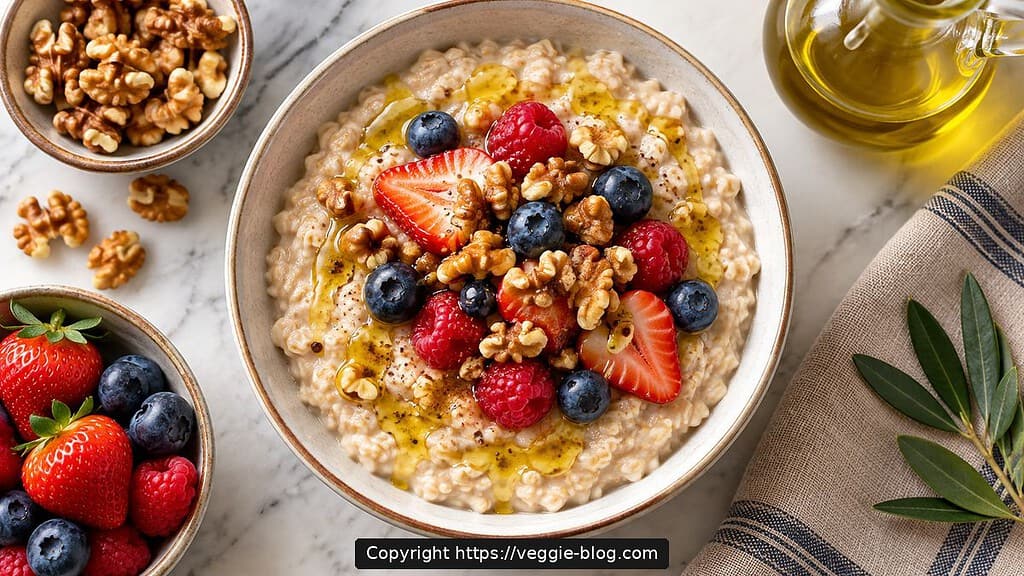
Your body makes the cholesterol it needs on its own. Problems start when the food you eat adds extra saturated fat and cholesterol on top, and when too little movement lets LDL, the “bad” cholesterol, build up in the blood. The good news is that much of the answer lies in your kitchen. Here is how cooking methods, dairy and drinks fit in.
What do LDL and HDL mean?
Cholesterol travels in the blood on carriers called lipoproteins. LDL is the type that can stick to artery walls and narrow them, which is why it is called “bad.” HDL carries cholesterol back to the liver, which removes it from the body, so it is called “good.” According to MedlinePlus, saturated fat raises LDL more than anything else in the diet, and it is found in some meats, dairy products, chocolate, baked goods, and deep-fried and processed foods.
Does the way you cook matter?
Yes, because the cooking method often decides how much fat ends up on your plate. Deep-frying and pan-frying in butter or lard add saturated fat and calories. Steaming, boiling, baking, roasting, grilling and microwaving need little or no added fat. Where you do need fat, use a small amount of an unsaturated oil such as olive, canola or safflower oil, which is what MedlinePlus suggests in place of saturated fats. A nonstick pan lets you use less, and a bean, lentil or vegetable dish needs no frying at all. Trim visible fat from meat and take the skin off poultry before you eat it. We cover more of these ideas in eating right for your cholesterol.
Is milk good or bad for cholesterol?
Milk is not the problem; the fat in it is. MedlinePlus lists whole milk dairy products among the foods that contain cholesterol, and dairy products among the sources of saturated fat. Low-fat or fat-free milk, and yogurt and cheese made from them, still provide calcium and protein for your bones with far less saturated fat. Unsweetened soy drinks are another option if you avoid dairy. Check the label for sugar, since flavored versions can contain a lot of it.
What should you drink?
Water, unsweetened tea and coffee without cream are easy choices. Sugary drinks add calories without filling you up, and being overweight can raise LDL and lower HDL. Alcohol also adds calories and can raise triglycerides and blood pressure, so it is best kept low. Fruit juice has the sugar of the fruit but little of the fiber, so enjoy the whole fruit first, and keep juice to a small glass. Soluble fiber from oats, beans, apples and pears is what helps your body take in less cholesterol, so choose foods with fiber over drinks. Our guide to how to lower cholesterol through diet lists more.
Can exercise replace medicine?
Exercise helps. The National Heart, Lung, and Blood Institute says that physical activity can lower LDL and triglycerides and raise HDL, and brisk walking on most days is a good start; see exercise and cholesterol. But some people, because of their genes, age or other health conditions, still need medicine even when they eat well and move often. Treat the kitchen and exercise as your first steps and your doctor as part of the team. Never stop a prescribed medicine on your own. Read when lifestyle is enough and when medicine helps to find out more.
For a full list of food swaps and targets, such as keeping saturated fat below 7 percent of calories, see the MedlinePlus guide to lowering cholesterol with diet.
Leave a Reply