Yoga for Modern City Life: Why It Became a Lifestyle and What It Can Realistically Do
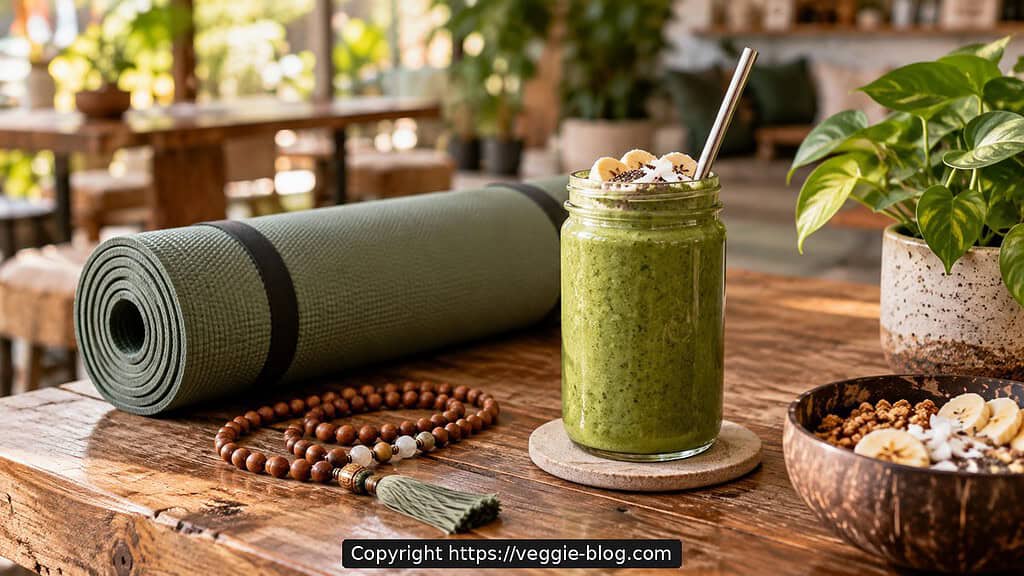
Yoga is everywhere in city life: studios on the corner, mats on commuter trains, clothes designed for the class, and posts about retreats. For many people it has become a lifestyle, with its own look. Behind the fashion, the practice itself is simple and old. Here is a look at why it caught on, and what you can realistically expect from it.
How popular has yoga become?
According to a national survey cited by the National Center for Complementary and Integrative Health, the percentage of U.S. adults who practiced yoga increased from 5.0 percent in 2002 to 15.8 percent in 2022. In 2017, 8.4 percent of children aged 4 to 17 practiced it. The NCCIH notes that most research on yoga in the United States has been done on predominantly female, non-Hispanic white, well-educated people with relatively high incomes, so results may not apply to everyone.
Why do people like it?
The NCCIH reports that in 2012 survey data, 94 percent of yoga practitioners did it for wellness-related reasons, and 17.5 percent did it to treat a specific health condition. The NCCIH adds that in one survey, people aged 40 to 54 were more likely to be motivated by muscle strength or weight loss, while those aged 55 or older were more likely to be motivated by age-related chronic health issues. City life gives plenty of reasons: long hours at a desk, stress, poor sleep and too little movement. Yoga combines gentle exercise, breathing and quiet time in a way that many people can fit into a busy week. Our post on what is yoga? gives a short introduction.
What does the research support?
Studies suggest that yoga may help relieve stress and improve mental and emotional health, sleep and balance. For depression, the NCCIH says that yoga can be a helpful addition to treatment, and a 2020 review of 7 studies of people diagnosed with major depression concluded that yoga may have small additional benefits when used with other treatment. That is a long way from the claim that yoga is better than a prescribed medicine. On stress in general, the NCCIH cites a 2020 review of 12 studies with 672 healthy adults that found beneficial effects of yoga on perceived stress in all of them, and a 2018 review of 14 studies in which most found improvements in resilience or general mental well-being. If you take medicine for depression or anxiety, do not stop it because you started yoga, and talk to your doctor before making any change.
Do you need special clothes and gear?
No. A mat or a non-slip surface and comfortable clothes that let you move are enough. Fashion and accessories can be fun, but they do not make the practice more effective. Choose clothing you can stretch and sweat in; our guide to choosing fitness apparel covers what to look for.
How do you fit it into a busy day?
Start with a short routine in the morning or evening. Even a few simple poses and some slow breathing can be a break. A beginner routine such as a gentle morning yoga routine takes little time, and how to start yoga safely explains the precautions to take if you have a health condition. Learn from a qualified instructor if you can, and avoid extreme practices such as headstands and forceful breathing until you have had guidance. Read more in the NCCIH review of yoga.
Yoga for Modern City Life: Yoga is now a Lifestyle
Leave a Reply