Posts Tagged ‘a pigsty act’

How to Choose a Yoga Class in the City: Questions to Ask Before You Sign Up

by on Monday, December 12th, 2011

If you live in a city, finding a yoga class is easy. Finding one that suits you takes a little more thought. Studios, gyms, community centers and adult education programs all offer classes, and they vary widely in pace, style and quality. The best way to begin is to learn the basic postures with a teacher who can correct you and show you how to use props. This guide lists what to look for.

Why start with a class?

A teacher can watch your alignment and adjust a pose before a bad habit forms. The National Center for Complementary and Integrative Health notes that yoga is generally safe for healthy people when done properly, and that learning it alone without supervision has been associated with a higher risk of injury. Sprains and strains are the most common injuries. So a class, even a single introductory one, is a sensible first step. Many studios offer a free trial or a discounted first week. If you cannot get to a class, our guide to learning yoga online explains how to pick a reliable video or website.

What do you want from yoga?

Start by defining your goals. If you want a gentle approach with attention to alignment, look for a class that uses props such as blocks, straps and blankets. Iyengar-based classes are known for this focus. If you want to reduce stress, look for a class that includes breathing and meditation. If you want a more demanding workout, a flowing style such as Ashtanga or Vinyasa may suit you better, though these are harder for beginners. Our overview of yoga postures and styles describes the main styles, and the post on yoga as a lifestyle looks at why so many people take it up.

How do you judge the teacher?

Ask about the instructor’s training and experience. In the United States there is no single national license for yoga teachers, although a number of yoga schools and traditions run their own teacher training programs. Many studios list the credentials of their teachers. Ask how long they have taught, whether they have taught beginners, and whether they are comfortable adapting poses for injuries. A good teacher will ask about your health before the first class and will welcome questions. If you are pregnant, older or have a medical condition, NCCIH recommends talking with your health care provider and telling the instructor so that poses can be changed.

How do you judge the space?

Look for a room that is clean, roomy and well ventilated. Props, sticky mats, straps, blocks and blankets are a good sign. Ideally the room is quiet, but that may not be the case in a gym, where classes may compete with music and weights. Think also about practical points: how many people are in the class, so that the teacher can see everyone, and how far you have to travel. A class that is easy to reach is one you will keep going to.

Which classes should beginners avoid?

NCCIH advises newcomers to avoid extreme practices such as headstands, shoulder stands, the lotus position and forceful breathing. It also warns that hot yoga has special risks related to overheating and dehydration. Look for a class marked beginner, basic or gentle. Before your first session, read our notes on warming up and listening to your body, and keep the basic yoga postures page open for reference.

What if you do not like the first class?

Try another. Teachers differ a great deal, and the first class you take is a sample, not a verdict. After two or three visits you will know whether the style, the teacher and the room suit you. For more background on the evidence and on safety, see the NCCIH page on yoga effectiveness and safety.
Yoga for Modern City Life: Why It Became a Lifestyle and What It Can Realistically Do

by on Sunday, May 1st, 2011

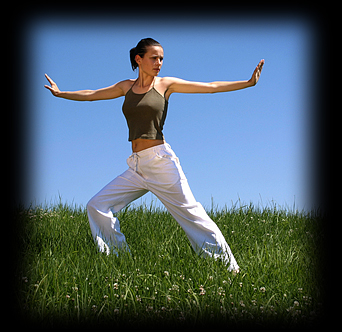
Yoga is everywhere in city life: studios on the corner, mats on commuter trains, clothes designed for the class, and posts about retreats. For many people it has become a lifestyle, with its own look. Behind the fashion, the practice itself is simple and old. Here is a look at why it caught on, and what you can realistically expect from it.

How popular has yoga become?

According to a national survey cited by the National Center for Complementary and Integrative Health, the percentage of U.S. adults who practiced yoga increased from 5.0 percent in 2002 to 15.8 percent in 2022. In 2017, 8.4 percent of children aged 4 to 17 practiced it. The NCCIH notes that most research on yoga in the United States has been done on predominantly female, non-Hispanic white, well-educated people with relatively high incomes, so results may not apply to everyone.

Why do people like it?

The NCCIH reports that in 2012 survey data, 94 percent of yoga practitioners did it for wellness-related reasons, and 17.5 percent did it to treat a specific health condition. The NCCIH adds that in one survey, people aged 40 to 54 were more likely to be motivated by muscle strength or weight loss, while those aged 55 or older were more likely to be motivated by age-related chronic health issues. City life gives plenty of reasons: long hours at a desk, stress, poor sleep and too little movement. Yoga combines gentle exercise, breathing and quiet time in a way that many people can fit into a busy week. Our post on what is yoga? gives a short introduction.

What does the research support?

Studies suggest that yoga may help relieve stress and improve mental and emotional health, sleep and balance. For depression, the NCCIH says that yoga can be a helpful addition to treatment, and a 2020 review of 7 studies of people diagnosed with major depression concluded that yoga may have small additional benefits when used with other treatment. That is a long way from the claim that yoga is better than a prescribed medicine. On stress in general, the NCCIH cites a 2020 review of 12 studies with 672 healthy adults that found beneficial effects of yoga on perceived stress in all of them, and a 2018 review of 14 studies in which most found improvements in resilience or general mental well-being. If you take medicine for depression or anxiety, do not stop it because you started yoga, and talk to your doctor before making any change.

Do you need special clothes and gear?

No. A mat or a non-slip surface and comfortable clothes that let you move are enough. Fashion and accessories can be fun, but they do not make the practice more effective. Choose clothing you can stretch and sweat in; our guide to choosing fitness apparel covers what to look for.

How do you fit it into a busy day?

Start with a short routine in the morning or evening. Even a few simple poses and some slow breathing can be a break. A beginner routine such as a gentle morning yoga routine takes little time, and how to start yoga safely explains the precautions to take if you have a health condition. Learn from a qualified instructor if you can, and avoid extreme practices such as headstands and forceful breathing until you have had guidance. Read more in the NCCIH review of yoga.

Yoga for Modern City Life: Yoga is now a Lifestyle

Yoga for Modern City Life: Yoga is now a Lifestyle

How to Choose a Yoga Video for Beginners (and What a Good One Teaches)

by on Monday, February 28th, 2011

Finding a well-made yoga video that is truly suited to beginners can be a challenge. Most exercise videos are aimed at people who already know what they are doing. They may include a few easier moves, but the instruction assumes that you already know your way around. The few that are labeled “for beginners” can be repetitive and slow, and they sometimes give you no way to progress, as if beginners were going to stay beginners forever.

What should a good beginner video teach?

Clear instruction. A beginner needs more than a demonstration. A good teacher explains how to place your feet, where your weight should be and what the pose should feel like. When a teacher describes how the muscles of the feet should turn toward the big toe, you can feel it as well as see it. Calm, steady speech is a plus, since yoga depends on concentration.

A manageable number of poses. A class that introduces too many new poses at once is hard to follow. Look for one that repeats a small number of basic poses and builds up slowly.

Familiar basics. Many beginner classes include the cat pose on hands and knees, downward-facing dog, which looks like an upside-down V, and the corpse pose, which is lying on your back, completely relaxed. Our guide to basic yoga postures and their variations explains these and other essential poses.

Modifications and props. A beginner video should offer options for people who are stiff or new to yoga. For example, a folded blanket can go under the knees or the hips to make seated poses more comfortable, and a folded towel can help with some other poses. A teacher who tells you about these in advance is thinking about you.

A good ending. Most classes end with stretching and relaxation. Many use soft music, which may help you drift off. Choose a class with a final rest if you want to unwind.

Which video is an example?

One title that often comes up for beginners is Yoga Zone: Flexibility and Tone, taught by Alan Finger. It runs for about 50 minutes, and it is known for detailed instruction on alignment and for a relaxed teaching style. We cannot say that it is the right fit for everyone, and a DVD from some years ago may be hard to find, so treat it as an example of the style to look for, not a recommendation. Whatever you choose, preview a sample if you can, to hear the teacher’s voice and see how the class is paced.

Where can you try a class first?

Free classes are a low-risk way to find out what style you like. The video at the end of this post is a beginners’ class titled “Yoga for Beginners Part 1” from YogaEasy, which you can try before buying anything.

How can you stay safe?

Yoga is generally safe for healthy people when it is done properly, but sprains and strains can happen. The NCCIH advises learning with a qualified instructor if you can, and moving slowly and carefully. Never force a pose, and stop if you feel pain. If you are pregnant, are over 65 or have a health condition, check with your doctor first. A video is not a substitute for a live teacher, but it is a good starting point, and many people go on to take a class after a few weeks at home.

If you would like to learn what yoga is all about, read our posts on what yoga is and how to choose a yoga video, or try the 12-step sun salutation.