Author Archive

Atkins Shopping Tips: How to Plan, Read Labels and Buy Meat in Bulk Safely

by on Thursday, August 25th, 2011

When you start the Atkins diet, the supermarket changes. The old version of this post said that macaroni and cheese, pasta and bread vanish from the shopping list, and that you may feel like a fish out of water for the first few trips. It also gave tips on planning, buying meat in bulk and reading labels. This rewrite keeps those tips, checks them and adds food-safety and label advice.

How do you plan before you leave home?

The old post suggests listing the week’s recipes first, working out what each meal needs, and adding low-carb snacks for between meals. That is good practice for any diet. It also suggests cooking one main dish for the whole family and giving the others a carbohydrate side, such as half a potato next to the meatloaf, so you do not have to cook two dinners. For snack ideas with real carb counts, see low-carb snack ideas for Atkins and other low-carb plans, and for menus see planning for Atkins.

Where should you shop in the store?

The old post advises filling your cart with protein and produce first, so there is less room for anything else, and sticking to the outer edges of the store, where the produce, meat, fish and deli counter usually are. Store layouts vary, and plain frozen vegetables in the middle aisles are fine too. The old post also said to avoid all packaged foods during the first phase, including low-carb products. Our post on what you can eat on Atkins and how to read the label lists the foods that make up most of the plan.

How do you read a label?

Be careful with “low carb” claims on the front of a package. According to a dietitian at Ohio State’s Wexner Medical Center, “net carbs” is a term created by food companies, and neither the FDA nor the American Diabetes Association endorses it. They advise looking at total carbohydrates on the Nutrition Facts label. Net carbs are usually worked out by taking total carbohydrate and subtracting fiber and sugar alcohols, and it can still be useful to know them if you are counting carbs. The old post warned that some products have hidden sugars, which is a good reason to read the ingredient list too. Learn more in the Ohio State article on tracking net carbs.

Is buying meat in bulk a good idea?

It can save money, as the old post says, but only if you store the meat safely. The U.S. Department of Agriculture advises storing raw ground beef at 40°F (4°C) or below and using it within one to two days, or freezing it. Frozen at 0°F, ground beef stays safe indefinitely, though quality drops and USDA suggests using it within about four months. Cook ground beef to 160°F, and never leave raw meat out for more than two hours (one hour above 90°F). That is why the old post’s tip to cook meat in batches fits well: cook it, refrigerate it within two hours and keep it cold. USDA says cooked ground beef keeps for about three to four days in the fridge, or freeze it. Mark packages with the date. Read the details on ground beef and food safety.

What about cheese and fiber?

The old post says cheese can be bought in bulk if you tolerate it, and reminds readers to eat fiber (salad or raw vegetables) with it. Cheese is high in saturated fat, so keep portions reasonable, and low-carb eating can be low in fiber, which is why vegetables matter. Check the labels on shredded or processed cheese too.

How do you keep costs down?

Low-carb shopping is often expensive. Our guide to eating low-carb on a budget explains how planning, bulk buying and freezing, and choosing good-value proteins can trim the bill. With a list, a plan and a little practice, the old post says you will soon be an experienced low-carb shopper, and that part of the advice still stands.

View this book on Amazon (affiliate link: we may earn a commission at no cost to you)
Carbohydrate Cravings and the Atkins Diet

by on Saturday, August 13th, 2011

Carbohydrate Cravings and the Atkins diet

Carbohydrate cravings are difficult to deal with, especially when you are trying to follow a low carbohydrate way of life. However, carbohydrate cravings are not just a matter of will power. As Dr. Atkins points out in his book, refined carbohydrates can cause a quick rise in blood sugar followed by a surge of insulin. There is a physical side to carbohydrate cravings, and it is one of the reasons that it is so easy to develop a high-carbohydrate, low protein way of eating.

There are many signs of physical carbohydrate cravings. You will feel a strong attraction to carbohydrate rich foods. Over time, you will develop a growing need for starches, snack foods and sweets. Additionally, you may experience cravings and weight gain after using some of the carbohydrate act-a-likes such as sugar substitutes and alcohol.

High carbohydrate foods are everywhere, which makes the cravings even harder to overcome. Eating high-sugar foods can feed your cravings and create more, and some people describe it as feeling like a habit. Carbohydrate-rich meals may also have a small effect on the brain chemical serotonin, which affects mood. Prozac and similar anti-depressants do not contain serotonin; they work by increasing the amount of serotonin available in the brain. Some researchers think this mood effect is one reason people reach for sweets when they feel low, but the evidence is limited.

Stress and anxiety can also lead to overeating carbohydrate-laden foods. When we are stressed, the adrenal gland creates extra cortisol. Cortisol is a stress hormone that can increase appetite, especially for sugary and fatty foods. Over time, high cortisol levels are also linked to more fat being stored around the waist.

Considering all of these factors, it may seem difficult to stay on a low-carbohydrate diet. However, many people find that a low-carbohydrate program like Atkins helps them break the cycle of carbohydrate cravings. The Atkins plan helps you take control of your cravings and cut back on refined carbohydrates and sugar.

While on the Atkins diet, you may experience some carbohydrate cravings from time to time, especially during the early phases of the diet. However, these will diminish as your body becomes more used to eating a protein-centered diet. In order to keep your cravings in check, eat small meals or snacks that contain protein every few hours. This will keep your blood sugars stable and avoid the crash you feel when you go hungry. Skipping meals will cause drops in blood sugar and leave you craving sweets.

Protein and fat, which are the core of the Atkins plan, keep you feeling full for longer. Make sure you are getting enough of the essential fats. Some people find that an Omega 3 fish oil supplement helps them, though there is little evidence that it reduces cravings.

Cravings for foods can sometimes be caused by dehydration. It is a good rule of thumb to drink a glass of water before reaching for any type of snack. Sometimes thirst can mask itself as hunger. When your body is properly hydrated, it will run more efficiently and you will see a decrease in cravings.
Recognize that there is a real addiction to carbohydrates that will need to be broken. Do not despair if you feel overwhelmed with cravings for carbs during the first few days on the plan. This is normal. Your body is used to running on a diet full of sugar and carbohydrates. It will take some time to adjust to this new way of eating. Normally, these feelings do not last more than the two-week induction period. Stay committed to this new way of eating and you will see the benefits quickly.

Natural Body Detox: What a Sensible Plan Includes (and What to Skip)

by on Tuesday, August 2nd, 2011

Many detox programs begin by promising a long list of tests and a plan built just for you. It sounds scientific, but the reality is simpler. Your liver, kidneys, intestines, lungs and skin already remove waste around the clock. What you can do is support them with good habits and avoid anything that could harm you. Here is what a sensible “natural detox” looks like, and what to leave out.

Should you start with a checkup?

Yes, but with your own doctor rather than a detox clinic. If you feel tired, bloated or run down, there are many possible reasons, including too little sleep, low iron, thyroid problems or stress, and a doctor can check them. Ordinary blood tests can show real problems such as a vitamin deficiency or an anemia. Be careful about commercial “toxin” or “mineral” panels sold with a detox package, because they are not a proven way to guide a detox. Also check with your doctor before you change your diet if you take medicine, have diabetes, or have heart or kidney disease.

What should you eat?

The part of detox that works is the food. Build your meals around vegetables, fruit, beans, lentils, whole grains and nuts, drink enough water, and cut back on alcohol, sugary drinks and heavily processed snacks. Fiber helps keep your digestion regular, and psyllium husk is one fiber supplement that some people use. Most healthy people do not need to eat only juice or a few foods for days. A few lighter days with simple vegetable meals will do you no harm, but they do not remove toxins either.

What about exercise, sweating and baths?

Regular exercise is one of the best things you can do. Adults need at least 150 minutes of moderate activity a week, and it improves your mood, sleep and circulation. You will sweat, but sweating is not how the body gets rid of most waste. The kidneys and the liver do that. The National Center for Complementary and Integrative Health lists saunas among common detox methods, and notes that studies of detox programs have been few and of low quality. If you enjoy a sauna, keep sessions short, drink water, and ask your doctor first if you have heart or blood pressure problems. Dry brushing is another popular step. It can feel invigorating, but there is no proof that it draws toxins out of the skin.

Are colon cleanses and enemas a good idea?

We suggest that you skip them. The same agency says there is limited evidence for colon irrigation and that cleansing procedures can have side effects, some serious, especially in people with bowel disease, kidney disease, heart disease or past colon surgery. Strong laxatives can cause diarrhea, which can lead to dehydration. Read the NCCIH fact sheet on detoxes and cleanses before you buy any cleansing product.

How do rest and relaxation help?

Sleep, massage and quiet time will not clear toxins, but they do help you cope with stress, and stress can affect how you eat and sleep. Adults need about 7 to 9 hours of sleep a night, according to the National Institute on Aging. Gentle yoga and breathing exercises can help you wind down. Choose a pace and a practice that fit your life, and think of them as habits to keep rather than a one-off cleanse.

The bottom line

A natural detox that makes sense is really just a healthy lifestyle: a plant-rich diet, plenty of water, less alcohol, regular exercise, enough sleep and a way to relax. Anything that asks you to stop eating, spend a lot of money on powders or capsules, or undergo a procedure to “flush” your body deserves a close look first. For more, see our posts on body detox the easy way, how to judge body detox products before you buy, what the evidence says about cleansing the body and a 5-day body detox plan.

Weight Loss Plan: The Goal to Go For

by on Thursday, July 28th, 2011

Weight Loss Plan: The Goal to Go For

Since excess weight puts you at risk of many health problems, you may want to try a weight loss plan to help avoid those risks and prevent disease.

But what should your long-term goal be? And what short-term goals should you set to help you get there? You have a better chance of reaching your goals if you make sure from the beginning that your weight loss plan is sensible and reasonable.

Here are some guidelines from the experts on choosing weight loss plans and goals.

1. Be realistic

Most people’s long-term weight loss plans are more ambitious than they need to be.

For example, if you weigh 170 pounds and your long-term goal is to weigh 120, even though you have not weighed 120 since you were 16 and you are now 45, that is not a realistic weight loss goal.

Your body mass index, or BMI, is a useful guide to whether you need to lose weight. The healthy BMI range, according to the National Institutes of Health, is between 18.5 and 24.9. If your BMI is between 25 and 29.9, you are considered overweight. A BMI of 30 or above is in the obesity range. BMI is only a rough guide, so ask your doctor what range is right for you.

From this point of view, you need a realistic target weight that brings you into a healthy BMI range for your height.

2. Set healthy objectives

Losing weight for the sake of vanity is psychologically less helpful than losing weight to improve your health.

You have made a big step forward if you choose a weight loss plan that includes exercise and eating right, so that you feel better and have more energy to do something positive in your life.

3. Focus on doing, not losing

Rather than saying that you are going to lose a pound this week, say how much you are going to exercise this week. That makes for a sensible weight loss plan.

Keep in mind that your weight over a week or two is not fully in your control, but your behaviour is.

4. Build up step by step

Short-term goals should not be pie-in-the-sky. This means that if you have never exercised at all, your first goal for this week could be to find three different one-mile routes that you can walk next week.

5. Keep up the self-encouragement

An all-or-nothing attitude only sets you up to fail. Learn to judge your efforts fairly and objectively. If you miss some of your goals, simply look ahead to next week. You do not need a perfect record.

After all, self-encouragement should be part of your weight loss plan. Otherwise, you may end up giving up.

6. Use measurable goals

Saying that you are going to be more active this month, or that you will really get serious this week, is not a goal you can measure and should not be part of your weight loss plan.

This is one reason why you should build habits into your weight loss process and focus on them. You should be able to count the minutes of exercise you do in order to succeed with your plan.

The bottom line is that many people make weight loss plans that remain just that, a plan. They have to put the plan into action by setting goals that motivate them to succeed.

Where Did Yoga Come From? Its Meaning, Early Texts and What Scholars Can Say

by on Friday, July 22nd, 2011

The old version of this post opened with a list of modern worries (stress, a sedentary lifestyle, toxins in food and air) and then said that yoga “was developed over 5,000 years ago in India,” that it “predates all other religions,” and that its “holistic benefits” suit everyone. The history is more interesting, and less certain, than that. This rewrite looks at what yoga means, where it first appears and what the evidence does not show.

What does the word “yoga” mean?

The old post is right that yoga is a Sanskrit word connected with the idea of union, and that it is often explained as “to join” or “to yoke.” The Bhagavad Gita, one of the best-known Indian texts, defines it in several ways, including equanimity and skill in action. In many traditions the aim is a union of the individual self with a universal self, which is how the old post described it. That is a spiritual goal, not something research can measure, and today many people practice yoga for exercise and relaxation instead.

How old is yoga?

The old claim of 5,000 years cannot be proven. In the introduction to their scholarly collection Roots of Yoga, the historians James Mallinson and Mark Singleton write that before about 500 BCE there is very little evidence in South Asian texts or archaeology for systematic, psychophysical techniques of the kind the word “yoga” later came to describe. The Rig Veda, the oldest Sanskrit text (dated to the fifteenth to twelfth centuries BCE), points to visionary meditation, and a hymn to a long-haired sage suggests an ascetic tradition like that of later yogis. But they call it “entirely speculative” to claim that the Vedic texts show evidence of systematic yoga practice.

Some older books also point to a carved seal from the Indus Valley civilization as showing a figure in a yoga pose. Scholars such as Geoffrey Samuel, Andrea Jain and Wendy Doniger now describe that reading as speculative, so it cannot be used to date yoga. A fair summary is that yoga-like practices go back well over two thousand years, and that the precise starting point is unknown.

Where is yoga first written about?

Ideas about yoga appear in the early Upanishads, philosophical texts from the first half of the first millennium BCE, and in the Bhagavad Gita, which the old post alludes to when it talks about yoga as a path. The Yoga Sutras attributed to Patanjali are the best-known classical text, and our guide to Patanjali’s Yoga Sutras explains why the date is debated. Much later, texts on hatha yoga describe the postures and breathing methods that most Americans now think of as yoga. According to Mallinson and Singleton, by the late eighteenth century hatha yoga techniques held a “virtual hegemony” across many yoga-practicing traditions in India.

Is yoga a religion?

The old post said that yoga is a spiritual path but that you do not have to make an ethical decision to practice, and that people of any background can take part. Britannica’s article on Hinduism is similar: yoga may be atheistic or theistic and may adopt various philosophical or religious principles. Practiced in a gym or studio, yoga is usually taught as exercise and relaxation, but you can ask a teacher how much spiritual material their classes include. See the Britannica entry on yoga in Hinduism for more background.

What did the old post get wrong?

The claim that yoga “predates all other religions” is not something history can support, and the line that yoga “purifies” the mind and body with “cleansing thoughts and food” should not be taken as a health claim. Yoga is not a cure or a detox; see how yoga became popular in America and what the numbers show and yoga explained: what it is and what the research supports for what studies do say. If you want to try it, start with a beginner class and a qualified teacher, as the NIH advises.

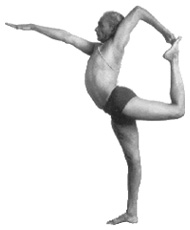
Origins of Yoga

Origins of Yoga