Posts Tagged ‘benefits of yoga’

Yoga for Modern City Life: Why It Became a Lifestyle and What It Can Realistically Do

by on Sunday, May 1st, 2011

Yoga is everywhere in city life: studios on the corner, mats on commuter trains, clothes designed for the class, and posts about retreats. For many people it has become a lifestyle, with its own look. Behind the fashion, the practice itself is simple and old. Here is a look at why it caught on, and what you can realistically expect from it.

How popular has yoga become?

According to a national survey cited by the National Center for Complementary and Integrative Health, the percentage of U.S. adults who practiced yoga increased from 5.0 percent in 2002 to 15.8 percent in 2022. In 2017, 8.4 percent of children aged 4 to 17 practiced it. The NCCIH notes that most research on yoga in the United States has been done on predominantly female, non-Hispanic white, well-educated people with relatively high incomes, so results may not apply to everyone.

Why do people like it?

The NCCIH reports that in 2012 survey data, 94 percent of yoga practitioners did it for wellness-related reasons, and 17.5 percent did it to treat a specific health condition. The NCCIH adds that in one survey, people aged 40 to 54 were more likely to be motivated by muscle strength or weight loss, while those aged 55 or older were more likely to be motivated by age-related chronic health issues. City life gives plenty of reasons: long hours at a desk, stress, poor sleep and too little movement. Yoga combines gentle exercise, breathing and quiet time in a way that many people can fit into a busy week. Our post on what is yoga? gives a short introduction.

What does the research support?

Studies suggest that yoga may help relieve stress and improve mental and emotional health, sleep and balance. For depression, the NCCIH says that yoga can be a helpful addition to treatment, and a 2020 review of 7 studies of people diagnosed with major depression concluded that yoga may have small additional benefits when used with other treatment. That is a long way from the claim that yoga is better than a prescribed medicine. On stress in general, the NCCIH cites a 2020 review of 12 studies with 672 healthy adults that found beneficial effects of yoga on perceived stress in all of them, and a 2018 review of 14 studies in which most found improvements in resilience or general mental well-being. If you take medicine for depression or anxiety, do not stop it because you started yoga, and talk to your doctor before making any change.

Do you need special clothes and gear?

No. A mat or a non-slip surface and comfortable clothes that let you move are enough. Fashion and accessories can be fun, but they do not make the practice more effective. Choose clothing you can stretch and sweat in; our guide to choosing fitness apparel covers what to look for.

How do you fit it into a busy day?

Start with a short routine in the morning or evening. Even a few simple poses and some slow breathing can be a break. A beginner routine such as a gentle morning yoga routine takes little time, and how to start yoga safely explains the precautions to take if you have a health condition. Learn from a qualified instructor if you can, and avoid extreme practices such as headstands and forceful breathing until you have had guidance. Read more in the NCCIH review of yoga.
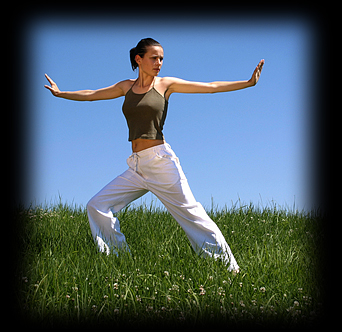
Yoga for Modern City Life: Yoga is now a Lifestyle

Yoga for Modern City Life: Yoga is now a Lifestyle

Yoga Poser by Claire Dederer

by on Saturday, April 30th, 2011

Yoga, even as it furthers its storefront-by-storefront takeover of American leisure hours, remains a punchline, a shorthand summing-up of a certain way of life. One of the charms of Poser, Claire Dederer’s memoir of motherhood and marriage structured around her love affair with yoga, is that–as her title hints–she gets the joke, and tells it very well herself. She knows, to the molecule, the subculture she swims within–the “liberal enclave” of late ’90s North Seattle, with its self-policed, guilt-laced dictates about the proper ways to parent, work, play, and wed (and divorce)–and she’s well aware of every knee-jerk response you might bring to a story about yoga (she had them too). She’s sharp and funny, shifting expertly between earthy put-downs and the earnest openness that yoga leads her to. And she’s wisest, and most fascinating, when she’s plotting the differences between her mother’s generation, breaking out from the traditions of young marriage and motherhood in sloppy, self-invented ways, and her own, responding to the chaos of their parents’ marriages and their own youth with the anxiously seamless embrace of attachment parenting. Readers will inevitably be reminded of another witty, navel-gazing, West-meets-East memoir, Eat, Pray, Love, but Dederer’s more domestic journey is her very much her own.

Book: Yoga Poser by Claire Dederer
View this book on Amazon (affiliate link: we may earn a commission at no cost to you)

The Seven Spiritual Laws of Yoga by Deepak Chopra

by on Saturday, April 23rd, 2011

The Seven Spiritual Laws of Yoga presents yoga as more than exercise. The book description emphasizes its spiritual and reflective side, combining postures with breathing, meditation, and ideas about personal growth. For readers who feel that modern yoga can sometimes become all workout and no meaning, that angle may be the main attraction.

What makes this book different?

Instead of focusing only on flexibility or strength, the book frames yoga through the “Seven Spiritual Laws.” The description says readers will find meditation techniques, mantras, breathing exercises, and yoga poses, all presented as part of a larger path toward harmony and self-understanding. That makes it read more like a philosophy-and-practice guide than a pose encyclopedia.

Do you need to be experienced?

Not necessarily. The description says the book is for newcomers as well as experienced practitioners. A beginner may not use every spiritual idea right away, but a curious reader can still appreciate the gentle explanation of how yoga can include attention, breathing, and values, not just movement.

Is spiritual yoga the same as religion?

Not always. Many readers approach spiritual books on yoga as a way to think about mindfulness, self-awareness, and intention rather than formal religion. The NCCIH overview of yoga explains that yoga usually combines physical postures, breathing techniques, and meditation. Its mindfulness and meditation summary is also helpful for readers who want a practical definition of what these practices can look like in everyday life.

How should you read it?

This is best read as an invitation to explore the inner side of yoga at your own pace. You do not need to accept every spiritual claim literally to benefit from the slower, more reflective approach it encourages. Read for inspiration, move gently, and adapt the physical side of any practice to your own health needs.

Related on Veggie-Blog: What Is Yoga? and Where Did Yoga Come From? Its Meaning, Early Texts and What Scholars Can Say.

Book: The Seven Spiritual Laws of Yoga by Deepak Chopra and David Simon
View this book on Amazon (affiliate link: we may earn a commission at no cost to you)

Yoga For Dummies by Georg Feuerstein

by on Thursday, April 21st, 2011

Yoga For Dummies guides you slowly, step by step, into the treasure house of Yoga. And it is a fabulous treasure house! You will find out how to unlock your body’s extraordinary potential and enlist your mind to do so, and in the process strengthen your mind as well. This book covers the following topics and more:
Five basic approaches to Yoga
Selecting a Yoga class
Practicing Yoga safely
The mechanics of Yogic breathing
Classic foundational postures
Exercises to target problem areas
Putting together your personal routine
Yoga for special situations
The focus on this book is on Hatha (pronounced haht-ha) Yoga, which is that branch of Yoga that works primarily with the body through postures, breathing exercises, and other similar techniques. When necessary, the book provides helpful photos or illustrations to help you better understand the exercises or postures.
One author (Georg Feuerstein) is internationally recognized as a leading expert on the Yoga tradition and has authored many seminal works on it. The other author (Larry Payne) has a thriving practice as a Yoga teacher in Los Angeles, where he teaches and responds to his clients’ specific health challenges. In this book, their combined 55 years of experience have merged to create a reliable and user-friendly introductory book that can also serve you as a beginner’s reference work on an ongoing basis.

Book: Yoga For Dummies by Georg Feuerstein
View this book on Amazon (affiliate link: we may earn a commission at no cost to you)

Yoga as Medicine by Timothy Mccall

by on Sunday, April 10th, 2011

The definitive book of yoga therapy, this groundbreaking work comes to you from the medical editor of the country’s premier yoga magazine, who is both a practicing yogi and a Western-trained physician.

Beginning with an overview of the history and science of yoga, Dr. McCall describes the many different techniques in the yoga tool kit; explains what yoga does and who can benefit from it (virtually everyone!); and provides lavishly illustrated and minutely detailed instructions on starting a yoga practice geared to your fitness level and your health status. Yoga as Medicine offers a wealth of practical information, including how to:

•Utilize yogic tools, including postures, breathing techniques, and meditation, for both prevention and healing of illness

•Master the art of becoming more in tune with your body

•Communicate more effectively with your doctor

•Adopt therapeutic yoga practices as either an alternative or a complement to surgery and to expensive, sometimes dangerous medications

•Practice safely

Book: Yoga as Medicine by Timothy Mccall
View this book on Amazon (affiliate link: we may earn a commission at no cost to you)